


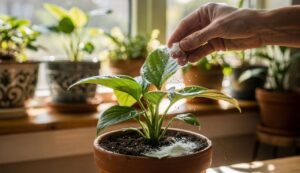
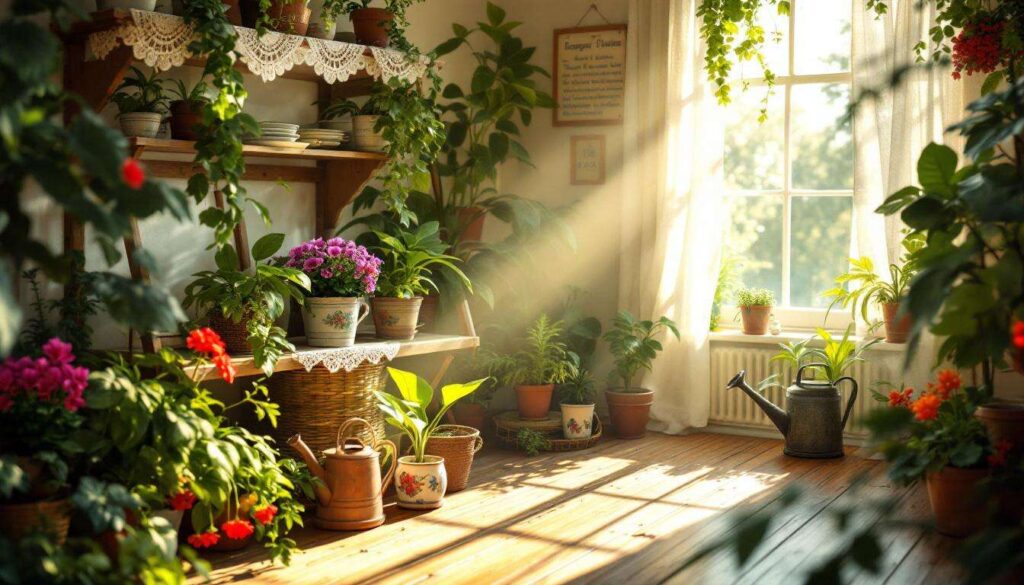
Houseplants have always held a special place in our homes, bridging generations with their enduring appeal. The varieties our grandmothers carefully tended on windowsills and in sitting rooms continue to thrive in contemporary interiors, proving that classic choices never truly go out of style. These resilient plants offer more than just aesthetic value; they carry memories of family gatherings, Sunday afternoon plant care rituals, and the simple pleasure of watching something grow. Today’s renewed interest in these botanical treasures reflects a desire to reconnect with simpler times whilst embracing sustainable, low-maintenance living.
Houseplants with nostalgic roots
The enduring appeal of traditional varieties
Traditional houseplants possess a unique charm that modern hybrids often struggle to replicate. These botanical companions survived decades of changing interior design trends precisely because they demanded little whilst offering much in return. Our grandmothers understood the practical benefits of keeping plants that could withstand occasional neglect, fluctuating temperatures, and less-than-perfect lighting conditions.
The resurgence of these classic varieties speaks to several contemporary concerns:
- Environmental awareness and the desire for natural air purification
- Budget-friendly decorating solutions that last for years
- Easy propagation methods that encourage sharing between friends and family
- Robust nature suitable for busy modern lifestyles
The beauty of nostalgic houseplants lies in their proven track record, having demonstrated their adaptability across countless homes and growing conditions. Understanding why these particular species became household staples helps us appreciate their continued relevance in contemporary spaces.
The spider plant: a timeless classic
Recognisable cascading foliage
Few houseplants evoke memories quite like the spider plant with its distinctive arching leaves and abundant plantlets dangling from slender stems. This cheerful plant graced countless macramé hangers in sitting rooms, creating living curtains of green and white striped foliage. Its ribbon-like leaves form graceful rosettes that soften any corner whilst requiring minimal attention.
Effortless propagation and care
The spider plant’s popularity stems partly from its remarkable ability to produce offspring. Small plantlets develop at the ends of long stems, complete with tiny root systems ready to establish themselves. These “babies” made it simple for grandmothers to share plants with neighbours and family members, creating botanical connections across communities.
| Care requirement | Recommendation |
|---|---|
| Light | Medium to bright indirect |
| Watering | Moderate, allowing soil to dry slightly |
| Temperature | Average room temperature |
| Propagation | Simply pot the plantlets |
Beyond the spider plant’s forgiving nature, other beloved varieties offered different qualities that made them equally treasured in grandmother’s plant collections.
The African violet: softness and colour
Compact blooms for windowsills
African violets brought vibrant splashes of colour to even the smallest spaces, their velvety leaves forming neat rosettes crowned with delicate flowers. These compact plants perfectly suited windowsill cultivation, where they could receive the bright indirect light they craved. The flowers, available in shades of purple, pink, white, and blue, provided year-round interest when conditions suited them.
Particular but rewarding requirements
Whilst African violets required slightly more attention than some other nostalgic favourites, their spectacular blooms justified the extra care. Grandmothers learned the importance of watering from below to prevent spotting on the fuzzy leaves, and they understood that consistent conditions produced the most reliable flowering.
- Bottom watering prevents leaf damage and encourages healthy roots
- Bright but filtered light promotes continuous blooming
- Warm temperatures and moderate humidity suit them best
- Regular feeding with diluted fertiliser supports flower production
Whilst African violets demanded precision, other classic plants offered remarkable tolerance and architectural presence.
The philodendron: elegance and simplicity
Versatile growth habits
Philodendrons adapted to various display methods, whether trailing from shelves or climbing support structures. Their glossy heart-shaped or deeply lobed leaves added tropical elegance to ordinary rooms. These plants thrived in the moderate light conditions typical of many homes, making them reliable choices for less sunny aspects.
Forgiving nature for busy households
The philodendron’s tolerance of irregular watering made it particularly suitable for households where plant care sometimes took a backseat to other responsibilities. These plants survived brief periods of neglect, bouncing back quickly when normal care resumed. Their steady growth provided visible rewards without demanding constant attention.
Another trailing favourite offered even greater resilience whilst maintaining visual appeal throughout the seasons.
The pothos: lush foliage defying time
Nearly indestructible character
Pothos earned its reputation as one of the most forgiving houseplants ever cultivated. Its heart-shaped leaves, often variegated with yellow or white, created cascading displays that softened harsh corners and empty walls. This plant tolerated low light, irregular watering, and average humidity, making it virtually impossible to kill through ordinary neglect.
Rapid growth and easy multiplication
The vigorous growth habit of pothos meant that even small cuttings quickly developed into substantial plants. Stem cuttings rooted readily in water, allowing grandmothers to create new plants for every room or to share with others. This ease of propagation contributed to the pothos becoming ubiquitous in homes across generations.
| Feature | Benefit |
|---|---|
| Low light tolerance | Thrives in dim corners |
| Drought resistance | Survives missed waterings |
| Air purification | Improves indoor air quality |
| Fast growth | Quick results and satisfaction |
Whilst evergreen plants provided year-round interest, seasonal bloomers offered something special during specific times of year.
The Christmas cactus: floral magic in winter
Spectacular winter flowering
The Christmas cactus transformed from an unassuming succulent into a spectacular display of tubular flowers just when colour was most needed. These plants bloomed reliably during the darkest months, their vibrant pink, red, white, or purple flowers cascading from segmented stems. Grandmothers treasured specimens that returned faithfully each winter, often passing plants down through family lines.
Simple care with seasonal adjustments
Encouraging blooms required understanding the plant’s natural cycle, including a rest period with reduced watering and cooler temperatures in autumn. Once these conditions were met, flower buds formed predictably, creating anticipation that enhanced the eventual display. Between flowering periods, the plant required minimal attention, sitting quietly on windowsills or plant stands.
- Reduce watering in autumn to trigger bud formation
- Provide cooler temperatures for several weeks before expected bloom time
- Resume normal care once buds appear
- Avoid moving the plant during bud development to prevent bud drop
The houseplants our grandmothers cultivated continue to prove their worth in contemporary homes. These varieties combine attractive foliage or flowers with remarkable resilience, adapting to various conditions whilst requiring modest care. Their ability to thrive despite imperfect attention makes them ideal for modern lifestyles where time remains precious. The ease of propagation encourages sharing, maintaining the tradition of passing plants between generations and friends. Whether trailing gracefully from hanging baskets, brightening windowsills with colourful blooms, or adding architectural interest to corners, these nostalgic favourites demonstrate that sometimes the old ways truly are the best ways.