

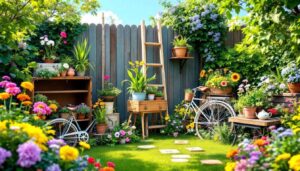
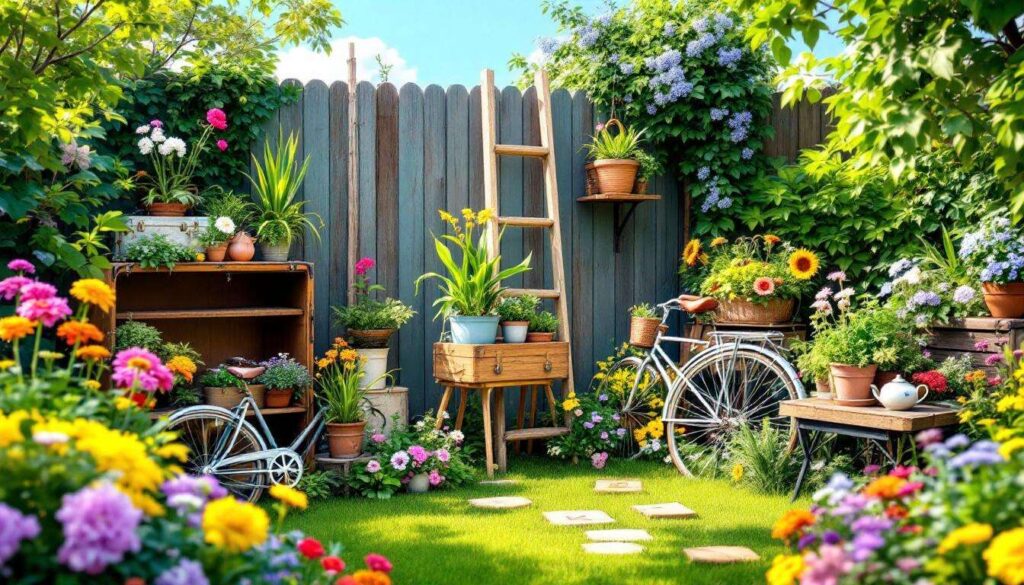
Gardening enthusiasts constantly seek inventive ways to display their beloved plants whilst adding character to outdoor and indoor spaces. Rather than purchasing expensive commercial planters, countless everyday items lurking in sheds, garages and cupboards possess untapped potential as charming plant containers. From discarded footwear to forgotten kitchenware, these overlooked objects can be transformed into distinctive planters and plant stands that inject personality into any garden or home. This approach not only reduces waste but also creates conversation-starting displays that reflect individual creativity and resourcefulness.
Decorating with rubber boots
Selecting suitable boots for planting
Wellington boots and rubber footwear make surprisingly effective planters that combine whimsy with functionality. Children’s outgrown wellies work particularly well for smaller plants, whilst adult-sized boots accommodate more substantial root systems. The waterproof nature of rubber boots requires careful drainage consideration, but their durability withstands outdoor conditions admirably. Colourful boots create eye-catching focal points in garden borders, whilst neutral tones blend seamlessly with natural surroundings.
Preparing boots for planting success
Proper preparation ensures plants thrive in their unconventional homes. Essential steps include:
- Drilling three to five drainage holes in the boot sole using a power drill
- Adding a layer of gravel or broken pottery at the bottom for improved drainage
- Filling with quality potting compost suitable for intended plants
- Positioning boots in locations matching plant light requirements
Trailing plants such as petunias or lobelia cascade beautifully from boot tops, whilst herbs like thyme and oregano flourish in the contained environment. Grouping several boots of varying sizes creates charming vignettes near doorways or along pathways, establishing a playful aesthetic that delights visitors.
Beyond boots, other household containers offer equally creative possibilities for plant displays.
Reviving old watering cans
Assessing watering cans for planter conversion
Vintage watering cans, particularly those with rust patina or chipped enamel, possess authentic charm that modern containers cannot replicate. Metal cans develop character over time, whilst galvanised steel versions offer industrial appeal. Even plastic watering cans with cracks or missing roses can find new purpose as planters. The built-in handle facilitates easy repositioning, and the spout creates natural visual interest.
Planting techniques for watering can containers
The existing spout and top opening provide dual planting opportunities. Cascading plants positioned in the main body spill attractively through the spout, creating living waterfalls of foliage and flowers. Compact plants like succulents or sempervivums nestle perfectly in smaller cans, requiring minimal maintenance whilst providing maximum impact.
| Watering Can Type | Best Plant Choices | Ideal Location |
|---|---|---|
| Large metal can | Geraniums, fuchsias | Patio corners, doorsteps |
| Small vintage can | Herbs, succulents | Windowsills, shelves |
| Decorative enamel can | Pansies, violas | Garden benches, tables |
Watering cans already possess drainage through their spouts, though additional holes may benefit plants requiring excellent drainage. Their portability allows seasonal rearrangement to follow sunlight patterns or refresh display schemes.
Larger structural items can also be repurposed to create impressive plant display systems.
Transforming pallets into plant shelves
Sourcing and preparing pallets safely
Wooden pallets offer exceptional versatility for creating tiered plant stands and vertical gardens. Heat-treated pallets marked “HT” are safe for gardening use, whilst those labelled “MB” contain harmful chemicals and should be avoided. Free pallets can often be obtained from builders’ merchants, garden centres or industrial estates. Sanding rough surfaces prevents splinters, and treating wood with outdoor preservative extends lifespan considerably.
Design configurations for pallet planters
Pallets can be configured in numerous ways to suit different spaces:
- Vertical mounting against walls or fences creates living walls
- Horizontal stacking forms tiered shelving for multiple pots
- Angled positioning against supports produces cascading displays
- Dismantled slats reassembled into custom plant stands
The gaps between pallet slats accommodate small pots or allow trailing plants to weave through, creating textured green tapestries. Painting pallets in coordinating colours enhances garden schemes, whilst natural wood maintains rustic authenticity. Lining pallet backs with landscape fabric retains soil when planting directly into the structure, transforming pallets into self-contained vertical gardens perfect for herbs, strawberries or ornamental plants.
Smaller metal containers provide equally attractive planting opportunities with different aesthetic qualities.
Using metal buckets as original pots
Advantages of metal bucket planters
Galvanised buckets, vintage pails and decorative tins bring industrial charm to planting schemes. Their robust construction withstands weather extremes, whilst metal develops attractive patinas over time. Various sizes accommodate everything from single specimens to mixed plantings, and handles facilitate easy movement for seasonal adjustments or weather protection.
Optimising bucket planters for plant health
Metal containers heat rapidly in direct sunlight, potentially damaging delicate roots. Positioning buckets in partial shade or painting exteriors white reflects heat effectively. Drilling drainage holes remains essential, as waterlogged compost quickly leads to root rot. Adding a layer of horticultural grit improves drainage further.
Buckets excel as temporary homes for plants awaiting permanent positioning or as seasonal displays rotated throughout the year. Grouping buckets of varying heights creates dynamic arrangements on patios or decking, whilst single statement buckets anchor garden borders or flank entrances impressively.
Wood-based containers offer warmth and natural appeal that complements plantings beautifully.
Creating planters with wooden crates
Selecting appropriate crates for planting
Wine crates, vegetable boxes and storage crates provide ready-made planters requiring minimal modification. Slatted construction allows excellent drainage and air circulation around roots, promoting healthy plant growth. Vintage crates with branded markings or weathered finishes add authentic character to displays, whilst newer crates can be distressed or painted to achieve desired aesthetics.
Enhancing crate durability and functionality
Untreated wood deteriorates rapidly when exposed to moisture and soil. Protective measures include:
- Lining interiors with heavy-duty plastic pierced with drainage holes
- Applying exterior wood stain or preservative to all surfaces
- Elevating crates on bricks or pot feet to prevent ground contact
- Replacing bottom slats with marine plywood for extended longevity
Stacking crates vertically creates impressive tiered displays suitable for herb gardens or collections of small flowering plants. Horizontal arrangements form low borders or raised beds for vegetables and salad crops. The natural wood tones harmonise beautifully with foliage and flowers, creating cohesive garden scenes.
Even delicate items from the kitchen can be transformed into charming miniature planters.
Recycling teacups into mini planters
Choosing teacups for planting projects
Chipped teacups, orphaned saucers and mismatched china pieces gain new life as delightful miniature planters. Charity shops and car boot sales provide inexpensive sources of vintage china with patterns and colours to suit any décor. Fine bone china, whilst beautiful, proves more fragile than sturdier pottery or stoneware cups that withstand outdoor conditions better.
Planting techniques for teacup gardens
The absence of drainage holes in china requires careful watering to prevent waterlogging. Creating a drainage layer using small pebbles or activated charcoal at the cup bottom helps manage moisture levels. Succulent plants, particularly varieties like echeveria and sedum, tolerate the drier conditions teacups provide and require minimal maintenance.
| Cup Size | Suitable Plants | Care Requirements |
|---|---|---|
| Small espresso cup | Single succulent, air plant | Water sparingly monthly |
| Standard teacup | Small cacti, baby tears | Bright indirect light |
| Large mug | Herbs, small ferns | Regular light watering |
Arranging multiple teacup planters on tiered cake stands creates charming centrepieces for outdoor tables or indoor windowsills. Grouping cups by colour theme or mixing eclectic patterns produces entirely different effects, allowing personalisation to match individual tastes and existing décor schemes.
Transforming everyday objects into creative planters demonstrates that gardening innovation requires imagination rather than expenditure. These repurposed items reduce environmental waste whilst creating unique displays that reflect personal style and resourcefulness. Whether choosing bold statement pieces like pallet plant walls or delicate teacup gardens, these accessible projects prove that exceptional plant containers already exist within most homes, awaiting discovery and creative transformation.