



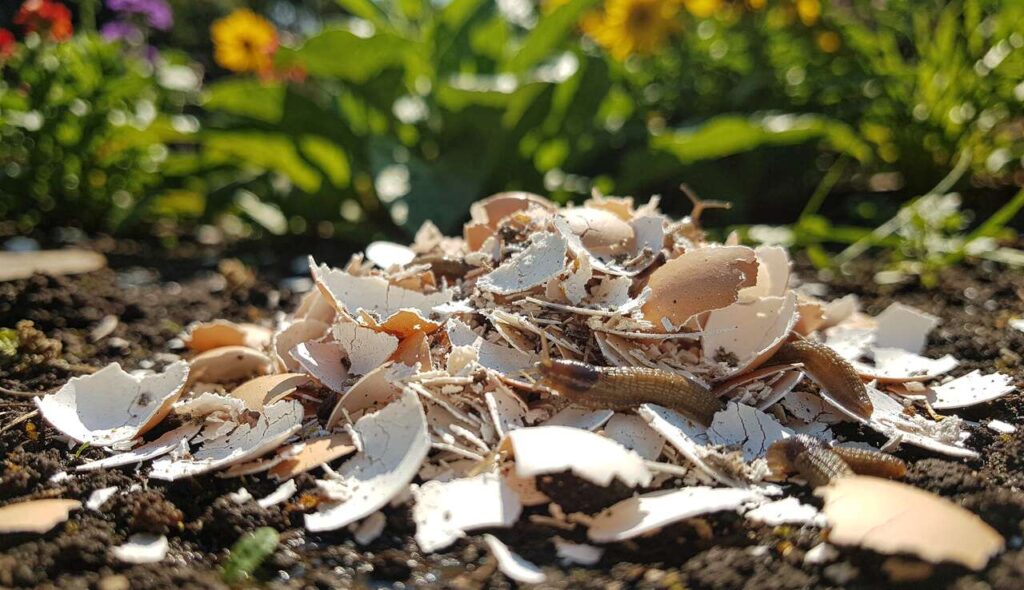
Gardeners across the UK wage a constant battle against slugs, those slimy invaders that can decimate entire crops overnight. Amongst the arsenal of deterrents available, one humble kitchen waste product has gained remarkable popularity: crushed eggshells. This seemingly simple solution harnesses the natural aversion soft-bodied creatures have to sharp, abrasive surfaces, offering an eco-friendly alternative to chemical pesticides.
Introduction to the problem of slugs in the garden
The extent of slug damage
Slugs represent one of the most persistent challenges facing British gardeners, particularly in regions with mild, damp climates. These molluscs emerge predominantly during evening hours and after rainfall, when moisture levels create ideal conditions for their activity. A single slug can consume several times its own body weight in vegetation within a 24-hour period, leaving behind characteristic irregular holes in leaves and stems.
The economic impact extends beyond home gardens. Commercial growers report significant losses annually, with certain crops proving especially vulnerable:
- Lettuce and other salad greens
- Hostas and ornamental plants
- Seedlings and young transplants
- Strawberries and soft fruits
- Brassicas including cabbage and kale
Traditional control methods and their limitations
Conventional slug control has relied heavily on metaldehyde-based pellets, which pose risks to wildlife, pets, and beneficial insects. Beer traps, whilst somewhat effective, require regular maintenance and can attract slugs from neighbouring areas. Copper barriers work through electrical reactions with slug mucus but prove costly for larger gardens. These limitations have driven many gardeners to seek sustainable alternatives that protect both plants and the broader ecosystem.
Understanding why slugs prove so problematic naturally leads to exploring how simple household items can provide effective deterrence.
How eggshells work against slugs
The mechanism of deterrence
Eggshells function as a physical barrier rather than a chemical repellent. When crushed into small, jagged pieces, the sharp calcium carbonate edges create an uncomfortable surface for slugs to traverse. The soft, muscular foot that slugs use for locomotion is particularly vulnerable to abrasion. As they attempt to cross eggshell barriers, the sharp fragments cause irritation and minor lacerations, prompting the slug to retreat and seek alternative routes.
Scientific observations and effectiveness
Research into slug behaviour reveals that these creatures actively avoid surfaces that damage their protective mucus layer. The mucus serves multiple functions, including locomotion, moisture retention, and protection from pathogens. When eggshell fragments compromise this layer, slugs experience increased vulnerability to dehydration and infection.
| Barrier type | Effectiveness rating | Duration of protection |
|---|---|---|
| Crushed eggshells (fine) | Moderate (60-70%) | 2-3 weeks (dry conditions) |
| Crushed eggshells (coarse) | High (75-85%) | 4-6 weeks (dry conditions) |
| Chemical pellets | Very high (90-95%) | 1-2 weeks |
However, effectiveness diminishes considerably during prolonged wet periods, when moisture softens the shells and reduces their abrasive properties. This environmental factor explains why eggshells work best as part of an integrated pest management approach rather than as a standalone solution.
The success of eggshells as deterrents depends significantly on their inherent characteristics and composition.
The physical properties of eggshells
Composition and structure
Eggshells consist primarily of calcium carbonate crystals arranged in a complex matrix that provides remarkable strength relative to thickness. This crystalline structure, measuring approximately 0.3 millimetres thick, comprises several distinct layers. The outer cuticle, a protein-based coating, protects against bacterial penetration. Beneath lies the palisade layer, where calcium carbonate columns extend vertically, and the mammillary layer, which anchors to the shell membrane.
Why texture matters
The effectiveness of eggshells against slugs relates directly to particle size and edge sharpness. When crushed, eggshells fracture along crystalline planes, creating irregular, sharp-edged fragments. Finer particles provide more complete coverage but may lose effectiveness more quickly through weathering. Coarser pieces maintain their sharp edges longer but leave gaps that determined slugs might exploit.
- Fine crush (2-3mm): provides dense coverage, ideal for seedling protection
- Medium crush (5-7mm): balances coverage with durability
- Coarse crush (10-15mm): longest-lasting, suitable for established plants
Additional benefits beyond pest control
Beyond deterring slugs, eggshells contribute valuable calcium to soil as they decompose. This slow-release nutrient proves particularly beneficial for tomatoes, peppers, and other plants susceptible to blossom end rot, a condition caused by calcium deficiency. The gradual breakdown also improves soil structure in heavy clay soils, enhancing drainage and aeration.
Knowing these properties helps gardeners maximise the protective potential of this readily available resource.
Tips for effectively using eggshells
Preparation methods
Proper preparation significantly enhances the effectiveness and longevity of eggshell barriers. Begin by rinsing shells thoroughly to remove residual egg white, which can attract pests and produce unpleasant odours. Allow shells to dry completely, either air-drying for several days or baking in a low oven (100°C) for 10-15 minutes. Baking offers the additional advantage of sterilisation, eliminating potential pathogens.
Crushing techniques vary according to desired particle size:
- Mortar and pestle: provides control over fragment size, labour-intensive
- Rolling pin in sealed bag: quick method for medium crush
- Food processor: produces fine powder quickly but reduces sharp edges
- Hand crushing: simple approach yielding coarse, sharp pieces
Application strategies
Create a continuous barrier at least 5 centimetres wide around vulnerable plants, ensuring no gaps exist where slugs might cross. For seedlings and young plants, form a complete circle. With established plants, concentrate protection around the stem base and extend outwards to cover the drip line. Reapply after heavy rainfall or every three to four weeks during growing season.
Common mistakes to avoid
Many gardeners apply eggshells too thinly, creating barriers slugs can easily breach. A minimum depth of 1 centimetre provides adequate protection. Avoid mixing eggshells directly into soil before crushing, as whole or large pieces decompose slowly and provide minimal deterrent effect. Additionally, never rely solely on eggshells during peak slug season (spring and autumn) when populations reach maximum levels.
Whilst eggshells offer valuable protection, combining them with complementary methods creates more robust defences.
Other natural tips to repel slugs
Companion planting strategies
Certain plants naturally repel slugs through aromatic compounds or textured foliage. Incorporating these species into garden design provides passive protection. Rosemary, thyme, and lavender emit strong scents that slugs avoid. Fennel, garlic, and chives produce similar deterrent effects. Plants with hairy or tough leaves, such as hardy geraniums and ferns, prove less attractive to slugs than smooth, tender foliage.
Physical barriers and traps
Multiple barrier types complement eggshell protection:
- Wool pellets: absorb moisture from slug bodies, causing dehydration
- Diatomaceous earth: microscopic sharp edges damage slug tissue
- Coffee grounds: caffeine proves toxic to slugs in sufficient concentrations
- Grit and sharp sand: creates uncomfortable surfaces similar to eggshells
- Copper tape: generates mild electrical charge upon contact with slug mucus
Encouraging natural predators
Establishing habitats for slug predators provides long-term population control. Ground beetles, hedgehogs, frogs, toads, and certain bird species consume substantial numbers of slugs. Create log piles, pond areas, and dense ground cover to attract these beneficial creatures. Avoid pesticides that harm predator populations, and provide water sources during dry periods.
These natural methods align with broader environmental considerations that increasingly influence gardening practices.
Ecological concerns and sustainability of natural solutions
Environmental advantages of eggshells
Utilising eggshells for pest control exemplifies circular economy principles, transforming kitchen waste into valuable garden resources. This approach diverts organic material from landfills, where decomposition produces methane, a potent greenhouse gas. Unlike synthetic pesticides, eggshells pose zero risk to soil organisms, beneficial insects, or wildlife, maintaining ecological balance within garden ecosystems.
Limitations and realistic expectations
Whilst eggshells offer genuine benefits, they cannot completely eliminate slug problems in heavily infested gardens. Effectiveness varies according to local slug populations, weather conditions, and garden layout. Gardeners should view eggshells as one component within an integrated approach that includes cultural practices, habitat modification, and biological controls.
| Method | Environmental impact | Cost |
|---|---|---|
| Eggshells | Very low | Free |
| Wool pellets | Low | Moderate |
| Chemical pellets | High | Low-moderate |
| Copper barriers | Low-moderate | High |
Broader implications for sustainable gardening
The growing adoption of natural pest control methods reflects shifting attitudes towards environmental stewardship. As awareness increases regarding pesticide impacts on pollinator populations and soil health, gardeners increasingly seek alternatives that work with natural systems rather than against them. Eggshells represent an accessible entry point for those transitioning towards more sustainable practices, demonstrating that effective solutions need not involve synthetic chemicals or significant expense.
Eggshells provide a practical, environmentally sound method for deterring slugs through physical rather than chemical means. Their sharp edges create uncomfortable barriers that soft-bodied pests instinctively avoid, whilst simultaneously enriching soil with calcium as they decompose. Success requires proper preparation, adequate application depth, and realistic expectations about effectiveness during wet conditions. Combined with companion planting, habitat creation for natural predators, and other organic deterrents, eggshells form part of a comprehensive strategy that protects plants whilst preserving ecological balance. This simple kitchen waste product demonstrates how sustainable gardening practices can emerge from readily available resources, offering protection without environmental compromise.