



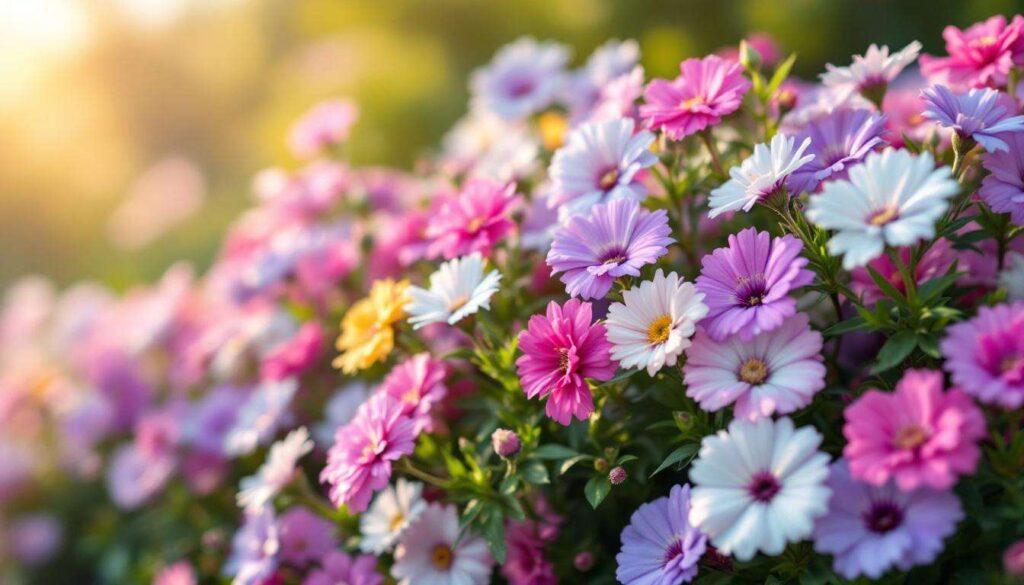
Phlox flowers bring unparalleled beauty to gardens with their vibrant colours and delightful fragrance. These versatile perennials and annuals have captivated gardeners for generations, offering stunning displays from spring through autumn. Whether you’re seeking ground cover for rocky slopes, border plants for shaded areas, or tall specimens for cottage garden schemes, the phlox family provides exceptional options. Our professional gardener has carefully selected fifteen outstanding varieties that demonstrate the remarkable diversity within this beloved genus, each offering unique characteristics suited to different garden situations and aesthetic preferences.
Introduction to the variety of phlox
The genus Phlox encompasses approximately seventy species native to North America, with cultivated varieties now numbering in the hundreds. These plants belong to the Polemoniaceae family and display remarkable adaptability across various growing conditions.
Understanding phlox classifications
Phlox species divide into three main categories based on their growth habits and flowering periods:
- Creeping phlox: low-growing varieties forming dense mats ideal for ground cover
- Woodland phlox: shade-tolerant species thriving in naturalistic settings
- Border phlox: upright varieties reaching substantial heights with large flower clusters
Key characteristics across varieties
Despite their diversity, phlox species share several distinctive features. Their flowers typically present five petals arranged in a star or wheel formation, creating clusters called panicles or cymes. Fragrance varies considerably between species, with some offering intensely sweet scents whilst others remain relatively neutral. Colour ranges span from pure white through pastel pinks and lavenders to vibrant magentas and deep purples.
| Growth Type | Height Range | Flowering Period |
|---|---|---|
| Creeping varieties | 10-15 cm | April-May |
| Woodland varieties | 30-40 cm | May-June |
| Border varieties | 60-120 cm | July-September |
Understanding these fundamental distinctions helps gardeners select appropriate varieties for specific locations and design intentions. The following sections explore standout cultivars within major phlox groups.
Phlox paniculata: an essential classic
Phlox paniculata, commonly known as garden phlox or border phlox, represents the quintessential cottage garden perennial. These upright plants produce magnificent flower heads throughout summer, attracting butterflies and beneficial insects whilst filling the air with sweet perfume.
Outstanding paniculata cultivars
‘David’ stands as one of the most disease-resistant white varieties available, producing pristine blooms from July through September. This cultivar received the Perennial Plant Association’s Plant of the Year award for its exceptional mildew resistance and vigorous growth reaching 90 cm.
‘Blue Paradise’ offers remarkable violet-blue flowers, a relatively uncommon colour within the phlox spectrum. The blooms display excellent weather resistance and maintain their intensity even in bright sunlight.
‘Bright Eyes’ presents classic pink petals with distinctive crimson centres, creating charming bicolour effects. This compact variety reaches approximately 75 cm, making it suitable for smaller borders.
‘Orange Perfection’ delivers unique salmon-orange tones that coordinate beautifully with hot-coloured schemes. Despite its name suggesting intensity, the shade remains sophisticated rather than garish.
Growing conditions for paniculata varieties
These border phlox thrive in fertile, moisture-retentive soil with good drainage. Full sun positions produce the most abundant flowering, though light afternoon shade proves beneficial in particularly hot climates. Regular division every three to four years maintains vigour and flowering quality. These substantial plants create impressive vertical elements in mixed borders, particularly when combined with ornamental grasses and late-summer perennials.
Phlox subulata: the charm of flowering carpets
Phlox subulata, commonly called moss phlox or creeping phlox, transforms gardens into cascading sheets of colour during spring. These mat-forming evergreens suit rock gardens, wall tops, and sloping sites where their spreading habit creates maximum impact.
Recommended subulata selections
‘Emerald Cushion Blue’ produces masses of lavender-blue flowers above dense, needle-like foliage. This variety demonstrates exceptional cold hardiness and drought tolerance once established.
‘Candy Stripe’ features distinctive pink and white striped petals, creating a cheerful patchwork effect. The bicolour blooms appear particularly striking when planted in large drifts.
‘Scarlet Flame’ delivers intense red flowers that practically glow in spring sunshine. This vigorous grower quickly covers difficult areas with vibrant colour.
Cultivation requirements
Moss phlox demands excellent drainage and tolerates poor, rocky soils that would challenge many perennials. These plants actually perform better in lean conditions, as excessive fertility encourages lax growth prone to winter damage. Full sun exposure ensures maximum flowering density, with plants in shade producing fewer blooms and looser growth habits.
- Plant spacing: 30-40 cm apart for complete coverage within two seasons
- Soil pH: slightly acidic to neutral (6.0-7.0)
- Post-flowering trim: light shearing maintains compact form
- Propagation: division or stem cuttings in early summer
The prostrate nature of these varieties makes them perfect companions for spring bulbs, with their flowers providing colour as tulips and daffodils fade. Their versatility extends to container cultivation, particularly in alpine troughs and hanging baskets.
Phlox Drummondii: brightness and diversity of colours
Phlox drummondii, known as annual phlox, offers gardeners the opportunity to experiment with colours and combinations without long-term commitment. These Texas natives bloom prolifically from early summer until frost, providing continuous colour in beds, borders, and containers.
Notable drummondii varieties
‘Phlox of Sheep’ series presents compact plants reaching just 20 cm with excellent heat tolerance. Available in numerous shades, this series performs reliably in both cool and warm climates.
‘Tapestry Mixed’ combines multiple colours in a single packet, creating kaleidoscopic displays. The mixture includes pastels and vibrant tones, often with contrasting eyes.
‘Cherry Caramel’ showcases unusual bicolour blooms blending coral-pink with creamy centres. This recent introduction demonstrates improved mildew resistance compared to older cultivars.
Growing annual phlox successfully
Unlike perennial species, Phlox drummondii completes its lifecycle in one season, making it ideal for gap-filling and seasonal colour schemes. Direct sowing in spring produces flowering plants by midsummer, whilst earlier indoor sowing extends the blooming period.
| Aspect | Requirement |
|---|---|
| Germination temperature | 15-18°C |
| Days to germination | 10-15 days |
| Spacing | 15-20 cm |
| Deadheading frequency | Weekly for continuous bloom |
These annuals appreciate regular feeding with balanced fertiliser to support their prolonged flowering period. Adequate moisture proves essential during establishment and hot weather, though mature plants tolerate brief dry spells. Their compact size and tidy growth habit make them excellent choices for edging schemes and container combinations.
Phlox stolonifera: ideal for shaded borders
Phlox stolonifera, commonly called creeping phlox (though distinct from P. subulata), excels in woodland settings and shaded gardens where few flowering ground covers thrive. This species spreads via stolons, forming attractive evergreen mats topped with delicate spring flowers.
Superior stolonifera cultivars
‘Blue Ridge’ produces lavender-blue flowers above glossy foliage, creating subtle yet effective ground cover beneath deciduous trees and shrubs. The blooms appear in late spring, bridging the gap between early bulbs and summer perennials.
‘Sherwood Purple’ offers deeper violet tones and particularly vigorous spreading habit. This cultivar tolerates deeper shade than most phlox species whilst maintaining good flowering.
Shade garden applications
Woodland phlox thrives in conditions that challenge sun-loving species, making it invaluable for difficult shaded areas. The plants prefer humus-rich, moisture-retentive soil similar to their native forest floor habitats.
- Combines beautifully with spring ephemerals like trilliums and bloodroot
- Provides year-round foliage interest in naturalistic plantings
- Tolerates competition from tree roots better than many shade perennials
- Spreads steadily without becoming invasive
These varieties require minimal maintenance once established, needing only occasional division if they outgrow their allocated space. Their low-growing habit suits the front of shaded borders and woodland paths, where their spring flowers create welcome pools of colour. Understanding proper cultivation techniques ensures these beautiful plants perform optimally regardless of which variety you choose.
How to care for your phlox for a radiant garden
Successful phlox cultivation depends upon matching varieties to appropriate conditions and providing consistent care throughout the growing season. Proper maintenance prevents common problems whilst maximising flowering performance and plant longevity.
Essential watering practices
Most phlox species require consistent moisture, particularly during active growth and flowering periods. Border varieties suffer noticeably during drought, with lower leaves yellowing and flower size diminishing. Apply water at soil level rather than overhead to reduce foliar disease risks, particularly powdery mildew which plagues susceptible cultivars.
Feeding requirements
Border phlox benefit from spring applications of balanced fertiliser as new growth emerges. A second feed in midsummer supports continued flowering on tall varieties. Creeping species require minimal supplemental nutrition, particularly when grown in their preferred lean soils.
Disease prevention strategies
Powdery mildew represents the most significant disease challenge for phlox, particularly P. paniculata cultivars. Several cultural practices minimise infection risks:
- Ensure adequate air circulation by proper spacing and thinning congested clumps
- Avoid overhead watering, especially during evening hours
- Remove affected foliage promptly to prevent spore spread
- Select resistant cultivars like ‘David’ and ‘Robert Poore’
- Apply preventative fungicides if mildew proves persistent
Seasonal maintenance tasks
Spring brings division opportunities for overgrown clumps, with early-season timing allowing plants to re-establish before flowering. Deadheading spent blooms on border varieties encourages additional flowering and prevents self-seeding, which often produces inferior offspring. Autumn cleanup removes disease-harbouring debris, though evergreen species retain their foliage through winter.
| Season | Key Tasks |
|---|---|
| Spring | Divide congested clumps, apply fertiliser, mulch |
| Summer | Water consistently, deadhead, monitor for pests |
| Autumn | Cut back border varieties, collect seed if desired |
| Winter | Protect tender varieties in severe climates |
The fifteen varieties highlighted throughout this article represent merely a fraction of available phlox cultivars, yet they demonstrate the remarkable versatility within this genus. From carpeting rock gardens with spring colour to providing fragrant summer borders and filling shaded woodland areas, phlox species offer solutions for diverse garden situations. Selecting disease-resistant cultivars appropriate to your specific conditions, combined with attentive care practices, ensures these beautiful plants deliver years of reliable performance. Their ability to attract pollinators whilst providing extended flowering periods makes them indispensable components of well-designed gardens, worthy of consideration in any planting scheme seeking colour, fragrance, and ecological value.