
Stepping into the world of gardening can feel overwhelming when confronted with unfamiliar terminology and specialist jargon. Whether you’re planning your first vegetable patch or considering a complete garden redesign, understanding the fundamental language of horticulture will empower you to make informed decisions and communicate effectively with fellow gardeners. Mastering these essential terms transforms gardening from a confusing endeavour into an accessible and rewarding pursuit that connects you with nature and your outdoor space.
Introduction to Gardening Vocabulary for Beginners
Every hobby and discipline comes with its own lexicon, and gardening is no exception. Learning the basic vocabulary provides a solid foundation for understanding gardening books, following online tutorials, and seeking advice from experienced horticulturists. Without this knowledge, simple instructions can become frustratingly cryptic, turning what should be an enjoyable pastime into a source of confusion.
Why Gardening Terminology Matters
Familiarising yourself with gardening vocabulary offers several practical advantages. When you visit a garden centre, you’ll be able to ask specific questions about plant care requirements and understand the information on plant labels. Precise terminology also helps you diagnose problems more accurately, whether you’re dealing with soil deficiencies, pest infestations, or plant diseases. Furthermore, joining gardening communities becomes far more rewarding when you can participate in conversations without constantly stopping to clarify meanings.
Building Your Horticultural Knowledge Base
The terminology covered in this guide represents the essential building blocks of gardening knowledge. These terms appear repeatedly in gardening literature and conversations, making them indispensable for anyone serious about developing their horticultural skills. By understanding these concepts, you’ll progress from merely following instructions to genuinely comprehending the reasoning behind various gardening practices.
With this foundation established, we can now explore the fundamental elements that form the basis of all successful gardening endeavours.
Understanding Basic Terms: Soil, Compost, and Mulch
The growing medium and its amendments represent the cornerstone of productive gardening. Healthy soil provides plants with essential nutrients, proper drainage, and structural support, whilst compost and mulch serve distinct but complementary functions in maintaining optimal growing conditions.
Soil: The Foundation of Plant Health
Soil is the natural growing medium composed of mineral particles, organic matter, water, and air. Different soil types possess varying characteristics that affect plant growth. Clay soils retain moisture but drain poorly, sandy soils drain quickly but struggle to hold nutrients, whilst loamy soils offer the ideal balance of drainage and nutrient retention. Understanding your soil type allows you to select appropriate plants and make necessary amendments.
Compost: Nature’s Fertiliser
Compost consists of decomposed organic matter that enriches soil with nutrients and improves its structure. This dark, crumbly substance forms when kitchen scraps, garden waste, and other organic materials break down through microbial activity. Adding compost to your garden:
- Increases nutrient availability for plants
- Improves soil drainage in heavy clay
- Enhances water retention in sandy soils
- Encourages beneficial microbial activity
- Reduces the need for chemical fertilisers
Mulch: The Protective Layer
Mulch refers to any material spread over the soil surface to conserve moisture, suppress weeds, and regulate soil temperature. Organic mulches such as wood chips, straw, or leaf mould gradually decompose, adding nutrients to the soil. Inorganic mulches like gravel or landscape fabric provide long-lasting weed suppression without contributing organic matter. Applying mulch around plants creates a protective barrier that reduces watering frequency and minimises maintenance requirements.
Understanding these soil-related concepts naturally leads to considering the implements required to work with these materials effectively.
Knowing Essential Tools: Spade, Rake, and Secateurs
Investing in quality gardening tools makes tasks easier and more efficient. Three fundamental implements form the core of any gardener’s toolkit, each designed for specific purposes that cannot be adequately fulfilled by improvised alternatives.
Spade: The Digging Essential
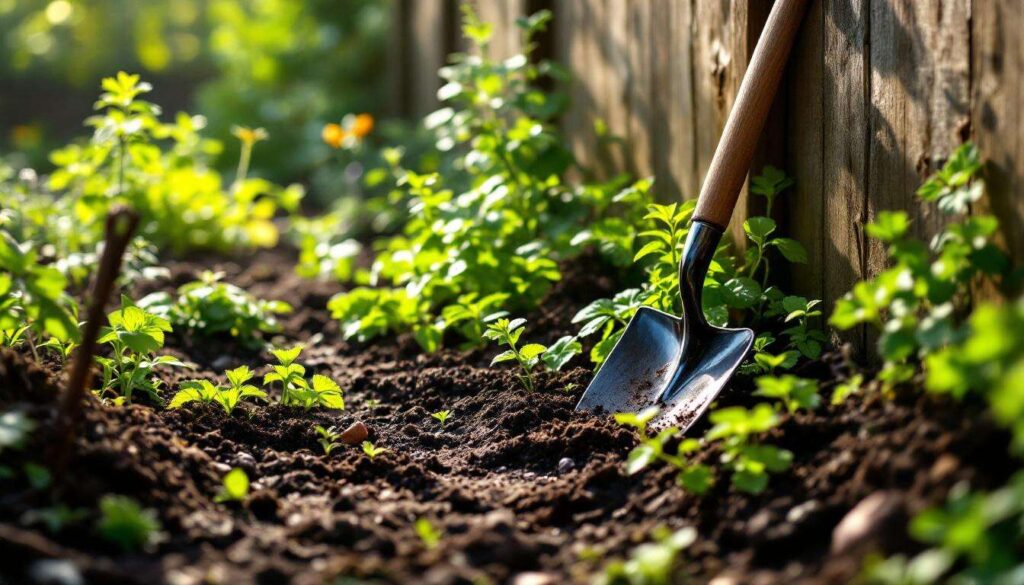
A spade features a flat, rectangular blade ideal for cutting through soil, edging borders, and transplanting established plants. Unlike a shovel with its curved blade designed for scooping, a spade’s straight edge allows precise digging and clean cuts through roots. Quality spades possess sturdy construction with comfortable handles that reduce strain during extended use. Stainless steel blades resist rust and slide through soil more easily than standard steel versions.
Rake: Levelling and Tidying
Garden rakes serve multiple functions depending on their design. A standard garden rake with rigid metal tines levels soil, breaks up clumps, and creates fine tilth for seed sowing. Spring-tine rakes with flexible prongs excel at gathering leaves and light debris without disturbing soil. Proper raking technique involves working systematically across an area, pulling the rake towards you in smooth, overlapping strokes.
Secateurs: Precision Cutting Instrument
Secateurs, also known as pruning shears, provide clean cuts on stems up to approximately 2cm in diameter. Two main types exist:
- Bypass secateurs: scissors-like action for clean cuts on live wood
- Anvil secateurs: single blade pressing onto flat surface, suitable for dead wood
Sharp secateurs prevent crushing stems, which can introduce disease and slow healing. Regular cleaning and oiling maintains their performance and longevity.
With the right tools in hand, attention turns to the practical processes of establishing plants in your garden.
Key Planting Stages: Sowing, Transplanting, and Watering
Successfully establishing plants requires understanding the critical stages from seed to mature specimen. Each phase demands specific techniques and timing to maximise plant health and productivity.
Sowing: Starting from Seed
Sowing involves placing seeds in growing medium under conditions that encourage germination. Direct sowing means planting seeds where they’ll grow to maturity, whilst starting seeds indoors provides protection during vulnerable early stages. Seed depth generally equals two to three times the seed’s diameter, with finer seeds requiring surface sowing and light coverage. Temperature, moisture, and light requirements vary by species, making it essential to follow packet instructions carefully.
Transplanting: Moving Growing Plants
Transplanting refers to relocating plants from one growing location to another, typically from pots to garden beds. This process requires careful handling to minimise root disturbance and transplant shock. Proper transplanting technique involves:
- Watering plants thoroughly before moving them
- Digging holes larger than the root ball
- Handling plants by their root ball, not stems
- Planting at the same depth as previously grown
- Firming soil gently around roots to eliminate air pockets
- Watering immediately after planting
Watering: Providing Essential Moisture
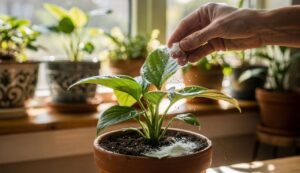
Watering supplies the moisture plants need for nutrient uptake and physiological processes. Effective watering penetrates deeply into the root zone rather than wetting only the surface. Early morning watering reduces evaporation and allows foliage to dry before evening, minimising disease risk. Frequency depends on weather conditions, soil type, and plant requirements, with established plants generally preferring deep, infrequent watering over shallow, frequent applications.
Once plants are established, recognising their characteristics and growth patterns becomes increasingly important for proper garden planning.
Identifying Different Types of Plants: Perennials, Annuals, and Climbers
Plants are categorised by various characteristics, with lifecycle and growth habit being particularly relevant for garden planning. Understanding these classifications helps you select appropriate plants for specific locations and design schemes that provide year-round interest.
Perennials: Long-term Garden Residents
Perennials are plants that live for more than two years, typically dying back to ground level in winter before regrowing from the same root system each spring. These plants represent excellent value as they provide years of enjoyment from a single purchase. Herbaceous perennials have soft, non-woody stems, whilst woody perennials include shrubs and trees. Popular perennials like hostas, daylilies, and salvias form the backbone of traditional borders, gradually increasing in size and often requiring division every few years to maintain vigour.
Annuals: Single-season Performers
Annual plants complete their entire lifecycle within one growing season, germinating from seed, flowering, producing seed, and dying within the same year. These plants channel their energy into prolific flowering rather than building permanent structures. Bedding plants such as petunias, marigolds, and impatiens provide intense colour throughout summer but require replanting each year. Hardy annuals can be sown directly outdoors, whilst half-hardy annuals need protection from frost.
Climbers: Vertical Garden Elements
Climbers are plants that grow upward using various methods to support themselves. They may be annual or perennial and employ different climbing mechanisms:
| Climbing Method | Description | Examples |
|---|---|---|
| Twining | Stems wrap around supports | Honeysuckle, wisteria |
| Tendrils | Specialised structures grasp supports | Sweet peas, clematis |
| Clinging | Aerial roots or adhesive pads attach to surfaces | Ivy, Virginia creeper |
| Scrambling | Long stems thread through other plants | Rambling roses |
Climbers maximise planting space by growing vertically, making them invaluable for small gardens and creating privacy screens.
Even with careful plant selection and proper care, gardens inevitably face challenges from pests and diseases that require identification and management.
Common Diseases and Solutions: Powdery Mildew, Downy Mildew, and Aphids
Recognising common garden problems enables prompt intervention before minor issues become serious infestations. Three prevalent problems affect a wide range of plants, but understanding their characteristics and control methods helps maintain garden health.
Powdery Mildew: The White Coating
Powdery mildew appears as white or grey powdery patches on leaf surfaces, stems, and buds. This fungal disease thrives in warm, dry conditions with poor air circulation. Affected leaves may become distorted and drop prematurely. Management strategies include spacing plants adequately for airflow, watering at soil level rather than overhead, and removing infected material promptly. Sulphur-based fungicides provide organic control options.
Downy Mildew: The Underside Threat
Unlike its powdery cousin, downy mildew produces greyish-purple fungal growth on leaf undersides, with yellow patches appearing on upper surfaces. This disease prefers cool, wet conditions and spreads rapidly in humid weather. Prevention focuses on improving drainage, avoiding overhead watering, and ensuring good ventilation. Copper-based fungicides offer treatment options, though prevention remains more effective than cure.
Aphids: Sap-sucking Pests
Aphids are small, soft-bodied insects that cluster on new growth and leaf undersides, feeding on plant sap. These pests reproduce rapidly and excrete sticky honeydew that encourages sooty mould growth. Control methods range from simple to sophisticated:
- Squashing small colonies by hand
- Dislodging with strong water jets
- Encouraging natural predators like ladybirds and lacewings
- Applying insecticidal soap or neem oil
- Using companion planting to repel aphids
Early detection and intervention prevent aphid populations from reaching damaging levels.
Mastering these fundamental gardening terms transforms beginners into confident practitioners capable of tackling common challenges. Understanding soil components, essential tools, planting processes, plant classifications, and prevalent problems provides the knowledge foundation necessary for successful gardening. This vocabulary enables effective communication with other gardeners, comprehension of specialist literature, and informed decision-making throughout the growing season. Armed with these concepts, novice gardeners can approach their outdoor spaces with greater assurance, knowing they possess the linguistic tools to learn, adapt, and ultimately thrive in their horticultural endeavours.