
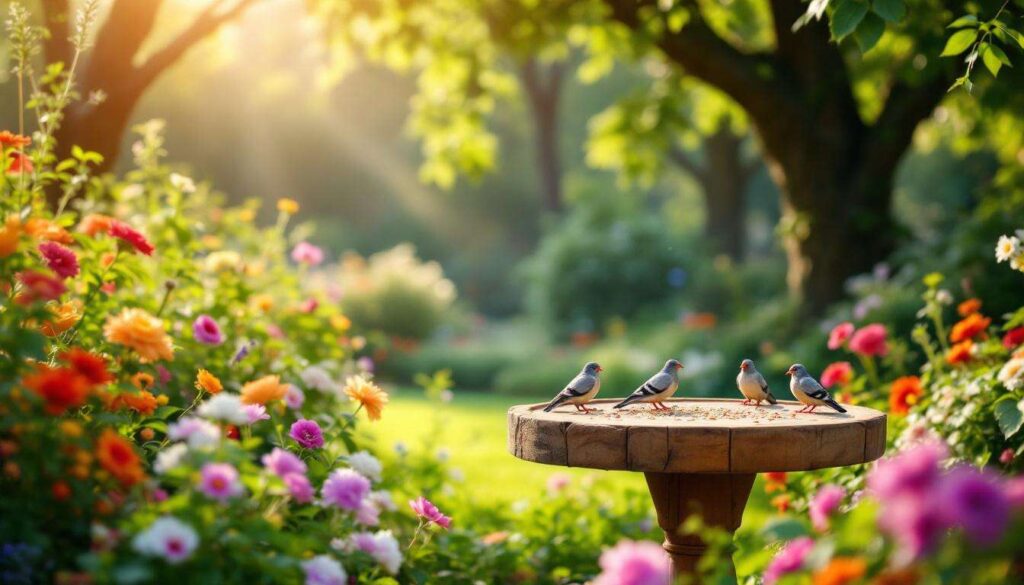
Garden bird feeders attract a delightful variety of feathered visitors, but they often come with an unwelcome guest: pigeons. These persistent birds can quickly dominate feeding stations, consuming vast quantities of food whilst deterring smaller species. Their presence transforms what should be a peaceful birdwatching experience into a frustrating battle for resources. Understanding how to discourage pigeons without harming them or other wildlife requires a strategic approach combining several proven methods.
Understanding pigeon behaviour
Why pigeons target bird feeders
Pigeons are opportunistic feeders with an exceptional ability to locate food sources. Their keen eyesight allows them to spot feeding stations from considerable distances, and once they discover a reliable supply, they quickly establish it as part of their daily routine. These birds possess remarkable memory, returning repeatedly to locations where they’ve previously found sustenance.
Several factors make garden feeders particularly attractive to pigeons:
- Easy access to concentrated food supplies
- Minimal effort required compared to foraging naturally
- Safe environments away from urban predators
- Social feeding opportunities that attract flocks
Feeding patterns and flock dynamics
Pigeons typically feed in groups, which explains why one or two birds quickly multiply into a dozen. They communicate feeding locations to others through visual cues and vocalisations. Their feeding sessions are often prolonged, with individuals spending considerable time at feeders, effectively monopolising resources intended for smaller birds. Recognising these behavioural traits helps inform effective deterrent strategies that exploit their preferences and limitations.
With this knowledge of pigeon behaviour, selecting appropriate locations for your feeders becomes the next crucial consideration.
Choosing strategic locations for feeders
Height and accessibility considerations
Positioning feeders at specific heights creates natural barriers for pigeons whilst accommodating smaller birds. Hanging feeders from thin branches or poles that cannot support a pigeon’s weight proves highly effective. Ideally, position feeders at least five feet from the ground and away from structures that pigeons might use as launching platforms.
| Location type | Pigeon accessibility | Small bird accessibility |
|---|---|---|
| Ground-level platform | Very high | High |
| Low hanging feeder (3-4 feet) | High | High |
| High hanging feeder (5+ feet) | Medium | High |
| Narrow perch feeders | Low | High |
Distance from perching spots
Pigeons require stable perching areas near feeders before approaching. Place feeders away from fences, sheds, and thick branches where pigeons comfortably rest. A minimum distance of two metres from potential perching spots significantly reduces pigeon visits whilst smaller birds remain comfortable approaching from greater distances.
Beyond strategic placement, physical deterrents offer additional layers of protection.
Installing effective deterrents
Physical barriers and cage designs
Guardian cages surrounding feeders provide selective access based on bird size. These wire structures feature openings large enough for small birds but too narrow for pigeons. The spacing between bars should measure approximately five centimetres, allowing robins, tits, and finches through whilst excluding larger species.
Weight-activated mechanisms
Modern feeders incorporate weight-sensitive perches that close feeding ports when heavier birds land. These mechanisms calibrate to respond to pigeon weight whilst remaining accessible to lighter species. Such feeders require initial investment but deliver long-term effectiveness without constant monitoring.
Visual and auditory deterrents
Several deterrent options create uncomfortable environments for pigeons:
- Reflective tape or old CDs that create disorienting light patterns
- Spinning pinwheels that produce movement pigeons find unsettling
- Ultrasonic devices emitting frequencies uncomfortable for pigeons
- Decoy predators such as plastic owls or hawks
Rotate these deterrents regularly, as pigeons quickly recognise stationary objects pose no genuine threat. Combining multiple deterrent types maximises effectiveness.
Alongside physical barriers, the food itself can serve as a selective tool.
Using foods pigeons dislike
Seed preferences and aversions
Pigeons demonstrate strong preferences for certain seeds, particularly wheat, corn, and millet. Conversely, they show little interest in nyjer seeds, which goldfinches and siskins adore. Switching to nyjer-based feeds dramatically reduces pigeon interest whilst maintaining appeal for desirable species.
Specialised food choices
Consider these pigeon-deterring options:
- Sunflower hearts in feeders with small ports
- Peanuts in mesh feeders requiring clinging ability
- Suet cakes and fat balls that pigeons struggle to access
- Mealworms that attract insect-eating species
Avoid scattering food on the ground, as this directly accommodates pigeon feeding preferences. Use hanging feeders exclusively and promptly clear any spillage that accumulates below.
Natural solutions complement these artificial interventions effectively.
Encouraging the presence of natural predators
Creating habitats for birds of prey
Sparrowhawks and other raptors naturally regulate pigeon populations. Whilst you cannot guarantee their presence, creating suitable environments increases visitation likelihood. Maintain tall trees and open flight paths that predatory birds favour. Even occasional raptor appearances significantly alter pigeon behaviour, as these intelligent birds quickly associate areas with potential danger.
Supporting other natural controllers
Domestic cats, whilst controversial amongst bird enthusiasts, do deter pigeons from gardens. However, this approach requires careful consideration as cats also threaten the small birds you wish to attract. A more balanced approach involves encouraging magpies and crows, which compete with pigeons for resources and occasionally predate their eggs.
Maintaining your garden environment supports all these strategies.
Regularly maintaining your garden space
Cleanliness and hygiene practices
Accumulated seed beneath feeders creates irresistible attractions for pigeons. Daily sweeping or using seed-catching trays prevents ground feeding opportunities. Clean feeders fortnightly using mild disinfectant solutions, removing mould and bacteria that attract scavenging birds.
Vegetation management
Dense shrubs and overgrown areas provide ideal roosting sites for pigeons. Regular pruning maintains open spaces that pigeons find less secure whilst preserving cover for smaller species. Trim branches overhanging feeders and remove dead wood where pigeons might nest.
Monitoring and adaptation
Observe feeding patterns throughout different seasons. Pigeon pressure often increases during autumn and winter when natural food sources diminish. Adjust strategies accordingly, perhaps temporarily removing certain feeders or switching food types. Maintain detailed observations to identify which combinations prove most effective in your specific environment.
Successfully managing pigeon presence at garden feeders requires combining multiple approaches rather than relying on single solutions. Strategic feeder placement, physical deterrents, selective food choices, and regular maintenance work synergistically to create environments favouring smaller bird species. Patience proves essential, as pigeons persistently test defences, but consistent application of these methods transforms gardens into welcoming spaces for diverse avian visitors whilst keeping opportunistic pigeons at bay.