


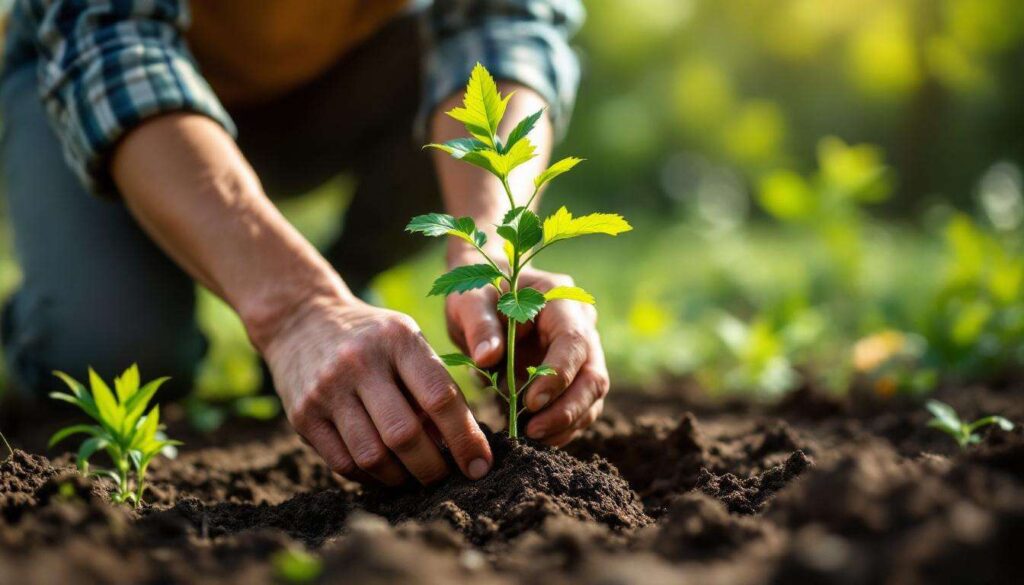
Planting trees represents one of the most rewarding contributions to the environment, offering benefits that extend far beyond aesthetics. Whether establishing a woodland, creating a wildlife haven, or simply adding shade to a garden, understanding the fundamental principles of tree planting ensures success. These five essential rules provide a comprehensive framework for anyone embarking on a tree planting project, with particular emphasis on the critical ‘3-year trunk’ principle that can determine the long-term health of your trees.
Choosing the right location to plant a tree
Assessing environmental conditions
The foundation of successful tree planting begins with selecting an appropriate location. Environmental factors significantly influence tree establishment and growth. Consider the following critical elements:
- Sunlight exposure throughout the day and across seasons
- Wind patterns and potential exposure to harsh weather
- Proximity to buildings, power lines, and underground utilities
- Existing vegetation that may compete for resources
- Natural drainage patterns and water accumulation areas
Matching species to site conditions
Different tree species possess varying requirements and tolerances. Native species typically adapt more readily to local conditions, requiring less maintenance whilst supporting indigenous wildlife. Research your chosen species thoroughly, examining its mature height, canopy spread, and root system characteristics. A willow thrives near water sources, whilst an oak prefers well-drained soil with ample space for its expansive root network.
Planning for future growth
Trees planted today will occupy considerably more space in decades to come. Anticipate mature dimensions when selecting locations, ensuring adequate clearance from structures, pathways, and other trees. Consider the tree’s purpose within your landscape design, whether providing shade, screening, or serving as a focal point.
| Tree type | Mature height | Canopy spread | Minimum spacing |
|---|---|---|---|
| Oak | 20-30 metres | 15-25 metres | 15 metres |
| Silver birch | 15-20 metres | 8-12 metres | 10 metres |
| Hazel | 4-8 metres | 4-6 metres | 5 metres |
Once the location has been carefully evaluated and selected, attention must turn to preparing the ground itself to receive the new tree.
Soil preparation before planting
Testing and understanding soil composition
Soil quality directly impacts root development and nutrient uptake. Conduct a soil test to determine pH levels, nutrient content, and texture. Most trees prefer slightly acidic to neutral soil (pH 6.0-7.0), though specific species may have different requirements. Clay soils retain moisture but drain poorly, whilst sandy soils drain rapidly but struggle to retain nutrients.
Removing competing vegetation
Weeds and grass compete aggressively with young trees for water and nutrients. Clear a minimum area of one metre diameter around the planting site, removing all vegetation including roots. This cleared zone should remain weed-free for at least the first three growing seasons, significantly improving establishment success rates.
Improving soil structure
Enhance poor soil by incorporating organic matter such as well-rotted compost or leaf mould. Avoid adding excessive fertiliser at planting time, as this can damage tender roots. Instead, focus on creating a hospitable environment that encourages natural root exploration:
- Break up compacted soil to improve aeration
- Incorporate organic matter to enhance water retention
- Ensure adequate drainage to prevent waterlogging
- Remove stones and debris that may impede root growth
With the soil properly prepared, the next crucial step involves creating the perfect planting hole to accommodate the tree’s root system.
The ideal planting hole technique
Determining correct hole dimensions
The planting hole serves as the tree’s initial growing environment. Dig a hole twice as wide as the root ball but no deeper than the root ball height. This encourages lateral root growth whilst preventing the tree from settling too deeply, which can lead to collar rot and instability.
Preparing the hole base and sides
Score the sides of the planting hole with a fork to prevent glazing, particularly in clay soils. A glazed surface acts as a barrier, restricting root penetration into surrounding soil. The hole base should remain firm to prevent settling, with loose soil creating an unstable foundation that may cause the tree to sink below its optimal planting depth.
Positioning the tree correctly
Place the tree so the root collar sits level with the surrounding ground. The root collar, where roots meet trunk, should remain visible after planting. Planting too deeply suffocates roots and encourages disease, whilst planting too shallow exposes roots to desiccation and temperature extremes. Backfill with excavated soil, firming gently to eliminate air pockets without compacting excessively.
Proper planting technique establishes the foundation, but young trees require additional support to develop the strong trunk structure essential for long-term health.
The importance of support with the ‘3-year trunk’ tip
Understanding the three-year principle
The ‘3-year trunk’ guideline emphasises that trees require approximately three years to establish a robust trunk and root system capable of self-support. During this critical establishment period, appropriate staking and protection prove essential for developing structural integrity and resilience against wind damage.
Installing stakes correctly
Drive stakes into undisturbed ground outside the root ball area before backfilling the planting hole. For most trees, a single stake positioned on the windward side suffices. Larger specimens may require two or three stakes arranged around the tree. Secure the tree using flexible tree ties with spacers that prevent bark damage whilst allowing slight movement, which encourages trunk strengthening.
| Tree height | Stake configuration | Stake height | Support duration |
|---|---|---|---|
| Under 2 metres | Single stake | One-third tree height | 2-3 years |
| 2-4 metres | Single or double stake | Half tree height | 3 years |
| Over 4 metres | Triple stake or guying | Two-thirds tree height | 3-4 years |
Monitoring and adjusting support
Inspect stakes and ties regularly, loosening ties as the trunk expands to prevent constriction. Remove support systems once the tree demonstrates stability, typically after three growing seasons. Prolonged staking weakens trunk development, creating dependency rather than independence.
Whilst structural support proves vital during establishment, consistent watering and maintenance determine whether the tree thrives or merely survives.
Watering and maintaining the newly planted tree
Establishing a watering regime
Consistent moisture proves critical during the first growing season. Water deeply but infrequently, encouraging roots to grow downward rather than remaining shallow. Apply approximately 15-20 litres weekly during dry periods, adjusting for rainfall and temperature. Morning watering reduces evaporation and fungal disease risk.
Mulching for moisture retention
Apply a 7-10 centimetre layer of organic mulch around the tree, maintaining a gap of 10 centimetres from the trunk to prevent collar rot. Mulch provides multiple benefits:
- Retains soil moisture by reducing evaporation
- Suppresses weed growth and competition
- Moderates soil temperature extremes
- Gradually releases nutrients as it decomposes
- Protects roots from mechanical damage
Protection from pests and damage
Young trees face numerous threats including deer browsing, rabbit damage, and vole activity. Install protective guards or fencing appropriate to local wildlife pressures. Tree guards also shield bark from strimmer damage and provide a microclimate that can accelerate establishment.
These initial care practices lay the groundwork for healthy development, but successful tree planting extends well beyond the first season.
Long-term monitoring and care of planted trees
Ongoing assessment and intervention
Regular monitoring identifies problems before they become serious. Inspect trees seasonally, checking for pest infestations, disease symptoms, and structural issues. Early intervention often prevents minor problems from escalating into threats requiring tree removal.
Pruning for structure and health
Formative pruning during the first five years establishes strong branch architecture. Remove competing leaders, crossing branches, and dead wood. Prune during dormancy to minimise stress and disease transmission, making clean cuts that promote rapid healing.
Adjusting care as trees mature
Water requirements diminish as root systems expand, though supplemental watering during extreme drought benefits even established trees. Continue mulching annually, refreshing as the material decomposes. Monitor stake attachments and remove support once trees demonstrate stability.
Tree planting represents an investment in the future, creating lasting environmental benefits whilst enhancing landscapes for generations. Following these five essential rules—selecting appropriate locations, preparing soil thoroughly, digging proper planting holes, providing adequate support through the critical three-year establishment period, and maintaining consistent care—dramatically improves success rates. The ‘3-year trunk’ principle particularly deserves emphasis, as this establishment phase determines whether trees develop the structural integrity necessary for long-term survival. With patience, attention to detail, and adherence to proven techniques, planted trees will flourish, providing shade, wildlife habitat, and natural beauty for decades to come.