



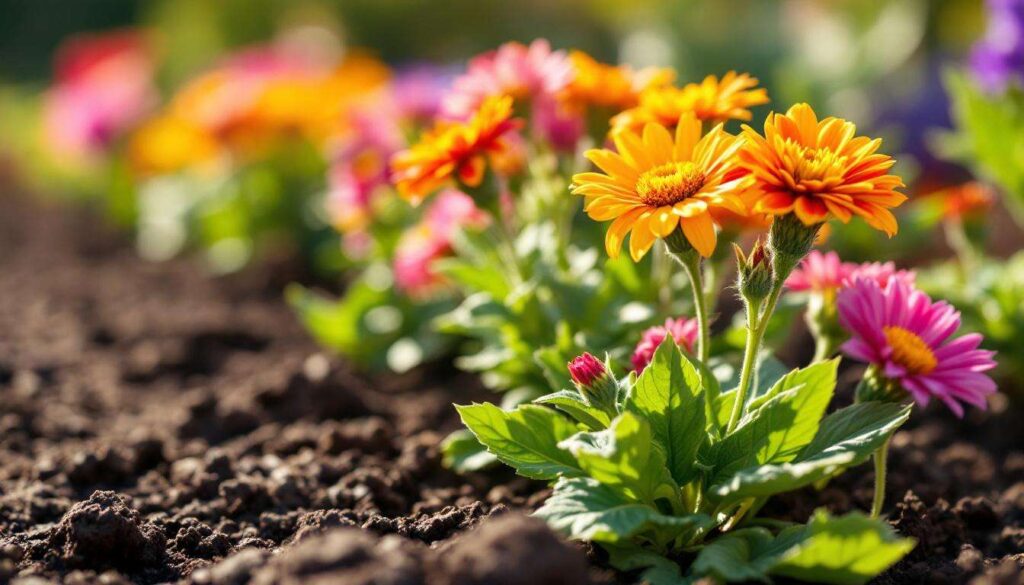
Gardeners often overlook the colder months as a time for planting, yet January presents a surprisingly advantageous window for establishing certain perennials. The dormant season allows plants to develop strong root systems without the stress of supporting vigorous top growth, positioning them for spectacular displays when spring arrives. Understanding which varieties thrive when planted during this period, along with the proper techniques to ensure their success, can transform your garden’s performance throughout the coming seasons.
The benefits of perennials in January
Establishing robust root systems
Planting perennials during January offers a critical advantage that many gardeners fail to appreciate. When temperatures remain cool and the plant’s energy isn’t directed towards foliage production, roots can expand and establish themselves without competition from above-ground growth. This extended period of root development creates a foundation that supports healthier, more resilient plants once warmer weather arrives.
Reduced transplant shock
The dormant state of January-planted perennials significantly minimises the stress associated with transplanting. Plants experience less shock because they’re not actively growing, which means:
- Lower water requirements during the establishment phase
- Reduced risk of wilting or leaf damage
- Better survival rates compared to spring or summer planting
- Minimal interruption to the plant’s natural growth cycle
Early season blooms and vigour
Perennials settled into the ground during January often outperform their spring-planted counterparts by several weeks. They’re already acclimatised to their new location when growing conditions improve, allowing them to channel energy directly into flowering rather than root establishment. This head start frequently results in more abundant blooms and stronger overall growth during the first season.
Beyond the biological advantages, January planting also allows gardeners to address the practical aspects of choosing the right varieties for their specific conditions.
Choosing perennials suited for winter climates
Hellebores: the winter jewels
Hellebores stand out as exceptional candidates for January planting, with their ability to flower even in the depths of winter. These hardy perennials tolerate frost remarkably well and establish quickly when planted during dormancy. Their evergreen foliage provides year-round interest, whilst their blooms appear from late winter through early spring, often pushing through snow.
Hardy geraniums for ground coverage
Hardy geraniums represent versatile performers that adapt brilliantly to January planting. These robust plants develop extensive root systems when given the winter months to establish, creating dense ground cover that suppresses weeds whilst producing masses of flowers from late spring onwards. Their tolerance of various soil types and light conditions makes them particularly valuable for challenging garden spots.
Sedums and their cold tolerance
Sedums thrive when planted during January, particularly the taller varieties that provide architectural interest. Their succulent nature means they’re exceptionally drought-tolerant once established, and winter planting allows roots to develop before the drier months arrive. These plants offer:
- Excellent structural form throughout winter
- Attractive seed heads that persist into spring
- Valuable nectar sources for late-season pollinators
- Minimal maintenance requirements
Comparison of cold-hardy perennials
| Perennial | Hardiness Zone | Bloom Period | Height |
|---|---|---|---|
| Hellebore | 4-9 | January-April | 30-45cm |
| Hardy Geranium | 4-8 | May-September | 20-60cm |
| Sedum | 3-9 | August-October | 45-60cm |
| Echinacea | 3-9 | June-September | 60-90cm |
| Astilbe | 4-9 | June-August | 40-120cm |
Selecting appropriate varieties represents only the first step; implementing proper planting techniques ensures these perennials establish successfully during the challenging winter months.
Winter planting techniques for perennials
Timing your planting correctly
Even within January, choosing the right moment proves crucial for success. Avoid planting when the ground is frozen solid or waterlogged, as these conditions prevent proper root-to-soil contact. Instead, wait for periods when soil remains workable, typically during milder spells between frost events. The soil should be moist but not sodden, crumbling easily when squeezed.
Proper planting depth and spacing
January-planted perennials require careful attention to depth to prevent frost heave from exposing roots. Plant at the same depth the perennial was growing in its container, ensuring the crown sits level with the surrounding soil surface. Adequate spacing becomes particularly important for winter planting, as it allows air circulation that reduces disease risk during damp conditions.
Watering considerations in cold weather
Water requirements differ substantially during winter planting compared to warmer seasons. After planting, water thoroughly to settle soil around roots and eliminate air pockets, but subsequent watering should be minimal. The combination of lower temperatures and reduced evaporation means soil retains moisture longer, and overwatering poses a greater threat than underwatering during this period.
Even with proper techniques, certain common errors can compromise the success of January-planted perennials.
Mistakes to avoid when planting in January
Selecting tender varieties
The most fundamental error involves choosing perennials unsuited to winter planting. Tender varieties that lack sufficient cold hardiness will struggle or fail entirely when exposed to January conditions. Always verify a plant’s hardiness rating and ensure it tolerates your specific climate zone before attempting winter planting.
Neglecting drainage requirements
Poor drainage proves particularly problematic during winter months when excess moisture cannot evaporate quickly. Perennials planted in waterlogged soil face increased risk of root rot and fungal diseases. Heavy clay soils require amendment before planting, whilst naturally wet areas benefit from raised beds or mounding to improve drainage.
Common planting errors to avoid
- Planting during severe frost when soil is frozen
- Adding fertiliser at planting time, which can damage dormant roots
- Failing to remove containers or burlap before planting
- Compacting soil excessively around roots
- Planting too deeply, which encourages crown rot
Avoiding these pitfalls becomes significantly easier when the planting site has been properly prepared in advance.
Preparing the soil to optimise growth
Improving soil structure
January soil preparation focuses on enhancing structure and drainage rather than adding nutrients. Incorporate well-rotted organic matter such as garden compost or leaf mould to improve both heavy clay and light sandy soils. This amendment increases the soil’s ability to retain moisture during drier periods whilst improving drainage during wet spells, creating ideal conditions for root development.
Testing and adjusting pH levels
Winter provides an excellent opportunity to test and modify soil pH, as amendments have time to integrate before active growth begins. Most perennials prefer slightly acidic to neutral soil, with pH levels between 6.0 and 7.0 proving optimal. Apply lime to raise pH or sulphur to lower it, following soil test recommendations for quantities.
Mulching strategies for winter protection
A protective mulch layer serves multiple purposes for January-planted perennials. Apply a 5-8cm layer of organic mulch around plants, keeping it away from stems and crowns to prevent rot. This mulch regulates soil temperature, reduces frost heave, suppresses weeds, and gradually breaks down to improve soil quality.
Once perennials are properly planted and the soil prepared, ongoing winter care ensures they thrive until spring arrives.
Caring for your perennials during winter
Monitoring moisture levels
Regular monitoring prevents both drought stress and waterlogging during winter months. Check soil moisture weekly by inserting a finger several centimetres into the ground near plants. Water only when the top layer feels dry, and always water during milder periods rather than when frost is imminent, as wet foliage increases frost damage risk.
Protecting from extreme weather
Whilst hardy perennials tolerate cold temperatures, extreme weather events warrant additional protection. During particularly severe cold snaps or when strong winds are forecast, temporary covers such as horticultural fleece provide valuable insulation. Remove these covers once conditions moderate to prevent moisture buildup and ensure adequate air circulation.
Winter maintenance checklist
- Check mulch depth remains adequate after heavy rain or wind
- Remove any debris or fallen leaves that accumulate around plants
- Inspect for signs of frost heave and gently firm soil if necessary
- Ensure plant labels remain secure and legible
- Monitor for pest activity, particularly during milder spells
January planting of perennials offers gardeners a strategic advantage that extends well beyond the winter months. By selecting appropriate cold-hardy varieties, implementing proper planting techniques, and providing attentive winter care, these early plantings develop robust root systems that support exceptional growth and flowering. The combination of reduced transplant shock, extended establishment time, and early season vigour makes winter planting a valuable technique for creating resilient, productive perennial displays that outperform their spring-planted counterparts throughout the growing season.