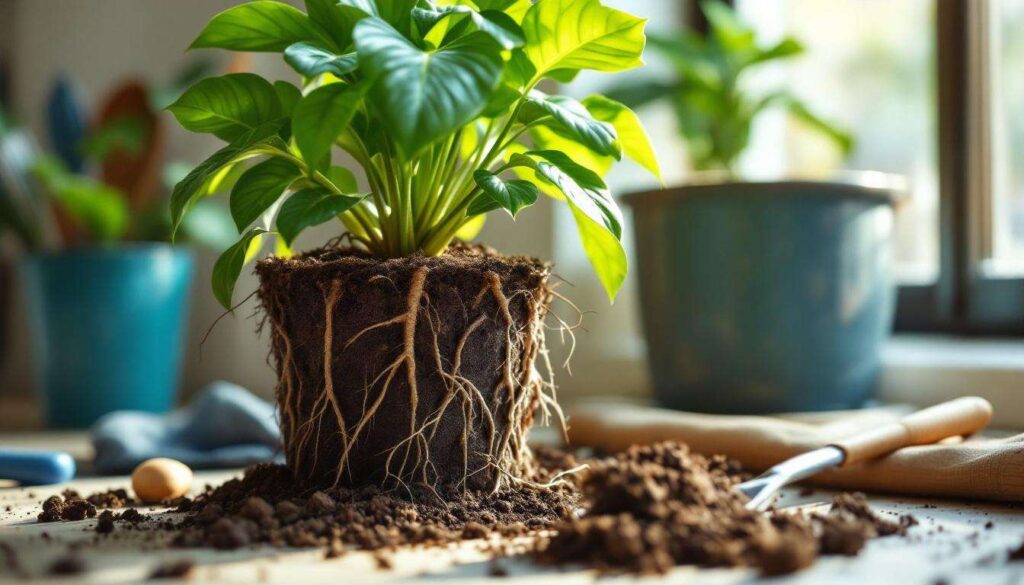
Houseplants bring life and colour to our homes, but they require proper care to thrive. One of the most crucial aspects of plant maintenance involves knowing when to transfer your green companions to larger containers. Recognising the warning signs early can prevent stunted growth, nutrient deficiencies, and even plant death. Understanding these indicators ensures your botanical collection remains healthy and vibrant throughout the seasons.
Signs of being root-bound
Visible roots emerging from drainage holes
The most obvious indication that your plant has outgrown its current home is when roots begin protruding from the drainage holes at the bottom of the pot. This phenomenon occurs when the root system has exhausted all available space within the container and seeks new territory. These escaping roots often appear thick, tangled, and sometimes discoloured due to exposure to air and light.
When examining your plant, gently lift it and inspect the base. If you notice dense root masses circling around the pot’s perimeter or pushing through the drainage system, immediate action is required. Root-bound plants struggle to absorb adequate water and nutrients, leading to:
- Yellowing or browning leaves
- Wilting despite regular watering
- Significantly reduced growth rates
- Increased susceptibility to pests and diseases
Circular root patterns inside the pot
Another telltale sign involves carefully removing the plant from its container to examine the root structure. Healthy roots should spread naturally outward, but root-bound specimens display tightly coiled roots that circle the pot’s interior walls. This circular pattern prevents proper nutrient uptake and can eventually strangle the plant’s own root system.
The transition from healthy root spread to problematic binding doesn’t happen overnight, making regular inspections essential for maintaining plant vitality. Beyond visible root issues, other symptoms often accompany this condition.
Soil that dries too quickly
Increased watering frequency requirements
When you find yourself watering your plants significantly more often than usual, this typically indicates insufficient soil volume relative to root mass. A pot that previously retained moisture for several days may suddenly require daily watering. This occurs because roots have displaced much of the soil, leaving minimal space for water retention.
| Container size | Normal watering interval | Root-bound watering interval |
|---|---|---|
| Small (10-15cm) | Every 5-7 days | Every 1-2 days |
| Medium (20-25cm) | Every 7-10 days | Every 2-3 days |
| Large (30cm+) | Every 10-14 days | Every 3-5 days |
Water running straight through the pot
Another concerning symptom involves water passing through the container almost immediately after application. Rather than being absorbed by the soil, the water follows channels created by dense root networks and exits through drainage holes within seconds. This prevents proper hydration of both roots and remaining soil particles.
Plants experiencing these watering difficulties often show signs of stress despite your best efforts to maintain their moisture levels. However, watering issues aren’t the only indicators worth monitoring.
Absence of new growth
Stagnant development during growing season
Most houseplants exhibit vigorous growth during spring and summer months. If your previously thriving specimen produces no new leaves, stems, or flowers during this active period, the pot size may be limiting its potential. Cramped roots cannot support new foliage because they lack the space and resources necessary for expansion.
This stagnation becomes particularly noticeable with fast-growing species such as:
- Pothos and philodendrons
- Spider plants
- Peace lilies
- Rubber plants
- Monstera varieties
Diminished leaf and flower production
Beyond complete growth cessation, you might observe that new leaves emerge smaller than previous growth or flowers appear less frequently and with reduced vigour. This decline in quality indicates nutrient depletion in the existing soil and insufficient root space to support healthy development.
The visual appearance of your plant can reveal much about its container requirements, particularly when considering its overall proportions.
Pot too small for the plant
Top-heavy appearance and instability
When foliage growth significantly outpaces root space, plants become visually unbalanced and prone to tipping. A container that once seemed appropriately sized may now appear comically small beneath an expansive canopy. This top-heavy configuration creates physical instability, increasing the risk of the entire plant toppling over.
Disproportionate size relationships
Professional horticulturists recommend that container diameter should measure approximately one-third of the plant’s height for optimal stability and aesthetics. When this ratio becomes skewed, with the plant towering over its pot, repotting becomes necessary not just for health but also for practical safety reasons.
Beyond visual proportions, the soil itself can provide valuable clues about repotting needs.
Hydrophobic or shrinking soils
Soil pulling away from container edges
Over time, potting mix can become compacted and degraded, causing it to shrink away from the pot’s interior walls. This creates gaps between soil and container, allowing water to run down these spaces without penetrating the root zone. The phenomenon, known as soil hydrophobia, renders watering efforts largely ineffective.
Hard, crusty surface formation
Aged potting mix often develops a hard, impenetrable crust on its surface. This barrier prevents water infiltration and restricts air circulation to roots. When soil reaches this deteriorated state, it no longer provides the structural support and nutrient availability that plants require.
Signs of soil degradation include:
- White salt deposits on the surface
- Foul or musty odours
- Visible mould or fungal growth
- Soil that feels dusty or breaks apart easily
Recognising these signs helps determine not only whether repotting is necessary but also when to undertake this important task.
Ideal time for repotting
Seasonal considerations for transplanting
The optimal window for repotting most houseplants occurs during early spring, just as they emerge from winter dormancy and prepare for active growth. This timing allows plants to quickly establish themselves in fresh soil and larger containers, minimising transplant shock. Spring’s increasing daylight and warmer temperatures provide ideal conditions for root development.
Emergency repotting situations
Whilst spring represents the preferred timeframe, certain circumstances demand immediate intervention regardless of season. These emergency situations include:
- Severe root binding causing visible plant distress
- Pest infestations within the soil
- Root rot or fungal infections
- Broken or damaged containers
- Accidentally overwatered plants requiring fresh medium
Species-specific timing variations
Some plants benefit from repotting at different times based on their natural growth cycles. Cacti and succulents transplant best during their active growing period in late spring or early summer, whilst orchids should be repotted immediately after flowering concludes. Research your specific plant varieties to determine their individual preferences.
Maintaining healthy houseplants requires vigilance and responsiveness to their changing needs. By monitoring for protruding roots, rapid soil drying, growth stagnation, disproportionate sizing, and soil degradation, you can determine precisely when your plants require larger homes. Timing this transition appropriately, preferably during spring’s active growth phase, ensures minimal stress and maximum success. Regular repotting with fresh soil and appropriately sized containers provides your plants with the resources they need to flourish, rewarding your efforts with vibrant foliage and robust growth for years to come.