
Growing fresh vegetables at home doesn’t have to mean spending hours each week tending to demanding crops and battling persistent weeds. Many successful gardeners have discovered that a thriving vegetable patch can be surprisingly simple to maintain when the right elements are in place. By focusing on smart choices and efficient techniques, it’s entirely possible to enjoy homegrown produce without the constant labour that traditional gardening often demands. The secret lies in understanding which components truly make the difference between a garden that requires daily attention and one that practically looks after itself.
Choose the right crops for simplified gardening
Selecting resilient vegetable varieties
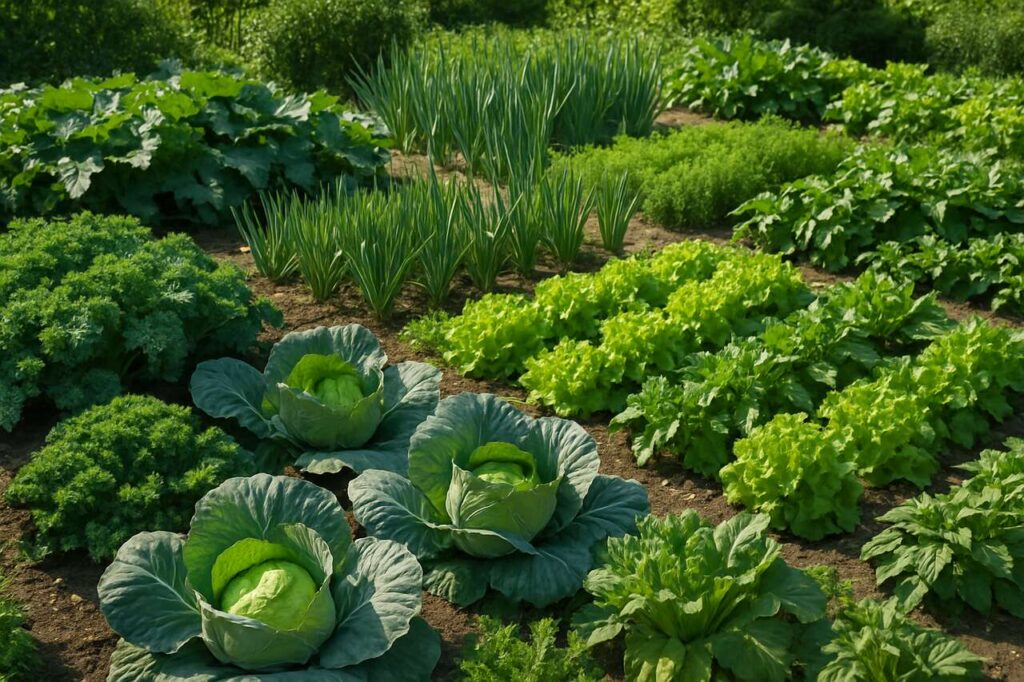
The foundation of any low-maintenance vegetable garden begins with choosing crops that naturally require less intervention. Hardy vegetables such as courgettes, runner beans, and perpetual spinach establish themselves quickly and continue producing with minimal fuss. These varieties have been cultivated over generations to withstand common pests and diseases, reducing the need for constant monitoring and treatment.
Root vegetables like beetroot, carrots, and radishes offer particularly rewarding results for time-poor gardeners. Once sown, they require little more than occasional watering and a single thinning session. Their underground growth protects them from many surface pests, whilst their relatively short growing seasons mean you can enjoy harvests without the lengthy commitment required by crops such as Brussels sprouts or cauliflower.
Perennial vegetables for year-round convenience
Incorporating perennial vegetables transforms a garden from an annual project into a sustainable food source. Consider these reliable performers:
- Asparagus: establishes in two years, then produces for up to twenty seasons
- Rhubarb: thrives with neglect and provides abundant stems each spring
- Globe artichokes: architectural plants that return year after year
- Welsh onions: continuous harvests without replanting
- Sorrel: self-seeding leaves available throughout the growing season
These plants eliminate the need for annual soil preparation, seed purchasing, and replanting. Once established, they return reliably each year, often spreading to fill available space and suppressing weeds naturally. Their deep root systems also improve soil structure over time, creating better growing conditions for neighbouring plants.
Herbs that practically grow themselves
A selection of robust herbs provides fresh flavours whilst requiring virtually no maintenance. Rosemary, thyme, sage, and oregano are Mediterranean natives that actually prefer neglect to constant attention. These woody herbs thrive in poor soil, require infrequent watering once established, and resist most pests naturally. Mint, whilst vigorous to the point of invasiveness, can be contained in pots or designated areas where its spreading habit becomes an advantage rather than a problem.
Having identified which plants will thrive with minimal intervention, the next consideration involves equipping yourself with the right implements to make routine tasks even simpler.
Essential tools for maintaining an easy garden
Quality basics that reduce effort
Investing in well-designed, durable tools makes every gardening task more efficient. A sharp spade, a comfortable hand fork, and a quality hoe form the core toolkit for low-maintenance gardening. These three implements handle the majority of necessary tasks: the spade for initial bed preparation, the hand fork for gentle weeding and planting, and the hoe for swift weed control between rows.
Ergonomic designs with appropriate handle lengths prevent strain and fatigue, allowing you to accomplish more in shorter sessions. Stainless steel blades require less cleaning and resist rust, whilst cushioned grips reduce hand discomfort during extended use. A single high-quality tool often outlasts several cheaper alternatives, making it both an economical and practical choice.
Watering equipment for efficiency
Manual watering with a traditional watering can becomes tedious when managing even a modest vegetable patch. Soaker hoses or drip irrigation systems deliver water directly to plant roots with minimal waste and maximum convenience. These systems can be connected to timers, effectively automating one of gardening’s most time-consuming tasks.
| Watering method | Time required weekly | Water efficiency | Initial cost |
|---|---|---|---|
| Watering can | 2-3 hours | Moderate | Low |
| Soaker hose | 15 minutes | High | Moderate |
| Drip irrigation with timer | 5 minutes | Very high | Higher |
Storage and organisation solutions
A dedicated tool storage system near the garden saves countless trips to sheds or garages. Wall-mounted racks, weatherproof boxes, or simple hooks keep essential implements readily accessible. This organisation encourages regular maintenance because tools are immediately available when you notice a task that needs attention. Cleaning and storing tools properly after each use extends their lifespan significantly, protecting your investment and ensuring they’re always ready for action.
With the right tools in hand, attention naturally turns to the growing medium itself and how proper soil management dramatically reduces ongoing workload.
Soil techniques for low-effort vegetable gardening
Mulching for multiple benefits
Applying a generous layer of organic mulch ranks among the most effective labour-saving techniques available to vegetable gardeners. A 5-10cm layer of well-rotted compost, straw, or wood chips suppresses weed germination by blocking light from reaching dormant seeds. This single action can reduce weeding requirements by up to 90%, freeing substantial time throughout the growing season.
Beyond weed suppression, mulch regulates soil temperature, keeping roots cooler in summer and warmer during spring and autumn. It also reduces moisture evaporation, decreasing watering frequency whilst protecting soil structure from compaction caused by heavy rain. As organic mulches gradually decompose, they feed soil organisms and improve fertility without requiring separate fertiliser applications.
No-dig methodology for sustainable growing
The no-dig approach eliminates annual soil turning, preserving soil structure and the complex ecosystem of beneficial organisms within it. Rather than disrupting established layers through digging, gardeners simply add compost or well-rotted manure to the surface each year. Worms and other soil life gradually incorporate this organic matter, improving fertility and structure without human effort.
This technique offers several advantages for low-maintenance gardening:
- Dramatically reduces physical labour and time investment
- Preserves soil structure and beneficial fungal networks
- Brings fewer weed seeds to the surface where they can germinate
- Maintains consistent moisture levels throughout the soil profile
- Builds fertility progressively year after year
Companion planting for natural pest control
Strategic placement of complementary plants creates a balanced ecosystem that manages pests naturally. French marigolds planted amongst tomatoes deter whitefly, whilst nasturtiums act as sacrificial plants that attract aphids away from valuable crops. Alliums such as garlic and onions repel many insect pests when interplanted with susceptible vegetables like carrots and brassicas.
This biological approach to pest management eliminates the need for constant monitoring and intervention. Rather than reacting to pest outbreaks, companion planting establishes preventative conditions that discourage problems before they develop. The diverse plantings also attract beneficial insects such as hoverflies and ladybirds, which prey on common garden pests and maintain natural population control.
Healthy soil creates the foundation for thriving plants, but even the best-prepared beds require appropriate moisture levels to produce abundant harvests.
Optimal watering for a low-maintenance garden
Understanding plant water requirements
Different vegetables have varying moisture needs, and grouping plants with similar requirements simplifies watering routines. Leafy crops such as lettuce and spinach prefer consistent moisture, whilst established Mediterranean herbs tolerate extended dry periods. Root vegetables generally require moderate watering, with increased moisture during bulb development but tolerance for drier conditions once established.
Arranging your garden according to these water zones allows you to target irrigation efficiently. Thirsty crops occupy areas closest to water sources or receive drip irrigation, whilst drought-tolerant plants thrive in drier sections requiring only occasional attention during prolonged dry spells.
Timing and techniques for efficiency
Watering during early morning hours maximises efficiency by allowing foliage to dry before evening, reducing fungal disease risks. Morning watering also ensures moisture reaches roots before daytime heat increases evaporation rates. Deep, infrequent watering encourages plants to develop extensive root systems that access moisture from lower soil layers, creating more resilient plants that tolerate dry periods better than those receiving frequent shallow watering.
Rainwater harvesting systems
Installing water butts connected to shed or greenhouse guttering provides free irrigation whilst reducing reliance on mains water supplies. A typical water butt holds 200-300 litres, sufficient for several thorough watering sessions. Multiple containers linked together create substantial reserves that sustain gardens through extended dry periods without requiring constant refilling or connection to taps.
Rainwater offers additional benefits beyond convenience and cost savings. It contains no chlorine or other treatment chemicals, making it gentler on plants and soil life. Its slightly acidic nature particularly benefits acid-loving crops whilst helping to counteract alkaline soil conditions in some regions.
Efficient watering ensures plants develop properly, leading naturally to the ultimate reward for any vegetable gardener’s efforts.
Abundant and easily accessible harvests
Planning for continuous production
Strategic succession planting maintains steady harvests without overwhelming gardeners with simultaneous gluts. Rather than sowing entire packets of seeds at once, planting small quantities every two to three weeks ensures continuous supplies of salad leaves, radishes, and other quick-maturing crops. This approach eliminates waste whilst providing fresh produce throughout the season rather than brief periods of abundance followed by scarcity.
Choosing cut-and-come-again varieties
Vegetables that regenerate after harvesting provide maximum returns from minimum space and effort. Loose-leaf lettuces, chard, kale, and rocket all produce multiple harvests from single sowings when outer leaves are picked regularly whilst leaving central growing points intact. These varieties eliminate the need for repeated sowing and transplanting, simplifying garden management whilst extending productive periods.
Preserving surplus harvests simply
Even low-maintenance gardens occasionally produce more than can be consumed fresh. Simple preservation methods extend enjoyment of homegrown produce:
- Freezing: blanch and freeze beans, peas, and chopped herbs in ice cube trays
- Drying: hang bunches of herbs or use a dehydrator for tomatoes and chillies
- Storing: keep root vegetables in sand-filled boxes in cool, dark locations
- Pickling: preserve cucumbers, beetroot, and onions in vinegar solutions
These straightforward techniques require minimal equipment and time investment whilst preventing waste and providing homegrown flavours during winter months when fresh garden produce becomes scarce.
Creating a productive vegetable garden needn’t consume every spare moment or require extensive horticultural knowledge. By selecting resilient crops, investing in appropriate tools, implementing soil-building techniques, establishing efficient watering systems, and planning for manageable harvests, anyone can enjoy fresh homegrown vegetables without the burden of constant maintenance. These five elements work together synergistically, each reinforcing the others to create a self-sustaining system that rewards minimal input with abundant, delicious results throughout the growing season.