

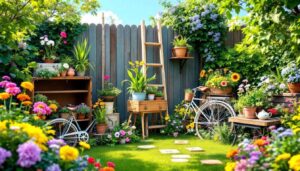
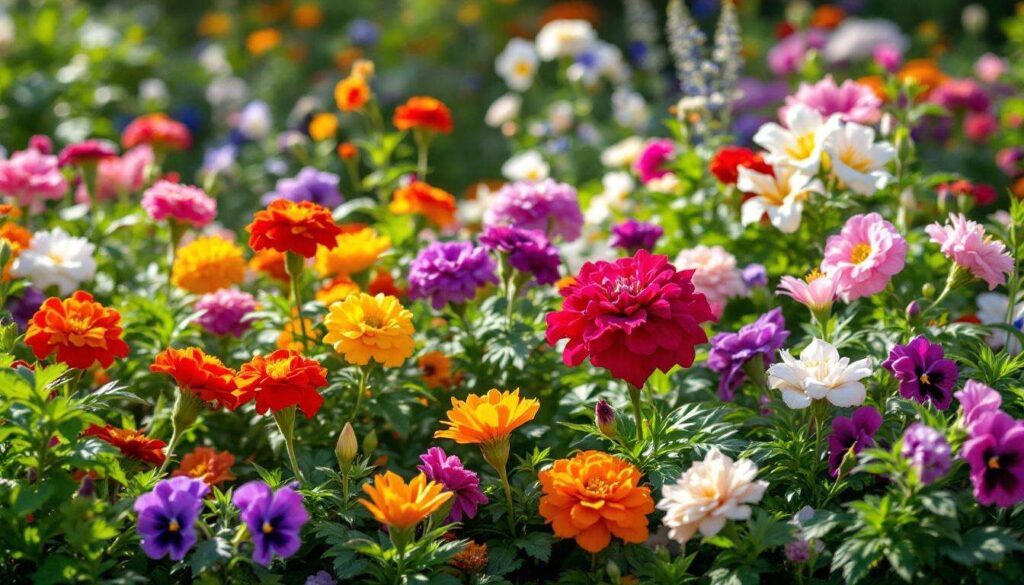
Gardens across the country are witnessing a remarkable shift in planting preferences as environmental consciousness reshapes horticultural choices. Long-dismissed species, once relegated to the back corners of nurseries and garden centres, are experiencing renewed attention from both amateur enthusiasts and professional landscapers. This revival stems from a growing recognition that many traditional plants offer exceptional qualities suited to contemporary challenges, including climate unpredictability and declining pollinator populations. The movement towards rediscovering these botanical treasures reflects a broader understanding that aesthetic appeal and ecological responsibility need not be mutually exclusive.
The resurgence of forgotten garden plants
Understanding the cyclical nature of horticultural fashion
Plant popularity has always followed cyclical patterns, with certain species falling from favour only to return decades later with renewed appreciation. The current resurgence of previously overlooked plants represents more than mere nostalgia; it signals a fundamental reassessment of gardening priorities. Modern gardeners increasingly value resilience, biodiversity contribution, and low-maintenance characteristics over fleeting aesthetic trends. This shift has prompted experts to re-examine plants that were dismissed as old-fashioned, revealing their substantial merits for contemporary landscapes.
The role of sustainability in plant selection
Environmental considerations now dominate planting decisions, with gardeners seeking species that support local ecosystems whilst requiring minimal intervention. The characteristics that define these rediscovered plants include:
- Exceptional drought tolerance once established
- Natural pest resistance reducing chemical dependency
- Abundant nectar and pollen provision for pollinators
- Structural interest across multiple seasons
- Adaptability to varying soil conditions
These qualities align perfectly with the principles of sustainable gardening practices, making formerly unfashionable plants suddenly relevant and desirable. The botanical community has taken notice, with horticultural organisations highlighting these species in educational programmes and demonstration gardens.
As gardeners embrace these practical considerations, specific plants are emerging as frontrunners in this botanical renaissance, each offering unique attributes that address contemporary needs.
Hydrangeas: a new aesthetic
Breaking free from outdated perceptions
Hydrangeas suffered years of dismissal as relics of cottage gardens and traditional planting schemes. The perception of these shrubs as grandmother’s plants overshadowed their considerable ornamental and practical virtues. However, contemporary garden designers have rediscovered their versatility, particularly varieties such as Hydrangea paniculata, which offer sculptural forms and extended flowering periods that complement modern landscape aesthetics.
Modern cultivation advantages
The renewed appreciation for hydrangeas stems from several factors that align with current gardening priorities:
| Attribute | Benefit |
|---|---|
| Longevity | Decades of reliable performance with minimal replacement |
| Seasonal interest | Flowers transition through colour changes, providing evolving displays |
| Climate adaptability | Tolerance of varying moisture levels once established |
| Low maintenance | Minimal pruning requirements and pest problems |
These shrubs also provide substantial structural presence in mixed borders, offering height and volume that anchor planting schemes throughout the year. Their dried flower heads contribute winter interest, a quality increasingly valued as gardens are designed for year-round appeal rather than summer-only displays.
Beyond hydrangeas, other flowering shrubs are similarly experiencing rehabilitation in contemporary garden design, including species that once dominated suburban landscapes.
The comeback of ceanothus in our green spaces
Rediscovering a versatile shrub
Ceanothus, commonly known as California lilac, exemplifies plants that fell victim to overuse followed by neglect. These evergreen or deciduous shrubs produce spectacular clouds of blue flowers that provide crucial early-season nectar for emerging pollinators. Their rehabilitation reflects growing awareness of the importance of sequential flowering to support wildlife throughout the active season.
Ecological and practical merits
The renewed interest in ceanothus derives from multiple factors that address contemporary gardening challenges. These plants demonstrate exceptional drought tolerance once established, requiring minimal supplementary watering even during extended dry periods. Their dense growth habit provides nesting opportunities for birds whilst their abundant flowers attract diverse pollinator species. Additionally, most varieties require little maintenance beyond occasional shaping, making them ideal for time-poor gardeners seeking maximum impact with minimal intervention.
Another category of plants experiencing similar revival includes traditional border perennials that offer both visual appeal and practical advantages.
Gladioli: a revisited bloom
Moving beyond formal associations
Gladioli suffered from associations with formal bedding schemes and competitive showing, which diminished their appeal to contemporary gardeners seeking naturalistic aesthetics. However, these dramatic flowering bulbs are being reconsidered for their architectural qualities and suitability for cutting gardens, which are experiencing renewed popularity as people seek to bring fresh flowers indoors.
Contemporary cultivation approaches
Modern gladiolus cultivation emphasises informal planting within mixed borders rather than regimented rows. This approach integrates their striking vertical forms amongst softer perennials, creating dynamic contrasts in texture and form. The wide colour range available allows for sophisticated colour coordination, whilst their sequential flowering extends the display period when corms are planted at intervals.
- Excellent value as cut flowers with extended vase life
- Minimal space requirements due to vertical growth habit
- Simple cultivation with straightforward lifting and storage
- Wide colour palette enabling diverse design schemes
These qualities position gladioli as practical additions to gardens focused on productivity and aesthetic flexibility, particularly as interest in homegrown cut flowers continues expanding.
Alongside these showier specimens, more subtle perennials are also finding renewed favour with discerning gardeners.
Veronica: a contemporary touch
The appeal of understated elegance
Veronica species, commonly known as speedwell, represent the quieter end of the spectrum yet offer considerable value in contemporary planting schemes. These hardy perennials produce elegant flower spikes that provide textural contrast without overwhelming neighbouring plants. Their extended flowering period and pollinator appeal make them valuable components in ecologically minded gardens.
Practical advantages for modern gardens
Veronicas demonstrate exceptional adaptability to various growing conditions, thriving in both full sun and partial shade whilst tolerating a range of soil types. Their compact growth habit suits small gardens and container cultivation, addressing the needs of urban gardeners with limited space. Additionally, these plants require virtually no maintenance beyond occasional deadheading to prolong flowering, making them ideal for low-input gardening approaches.
The final plant in this revival combines visual appeal with one of gardening’s most treasured qualities: exceptional fragrance.
Daphne bholua ‘Jacqueline Postill’: a timeless fragrance
Winter flowering excellence
This particular daphne variety exemplifies the rediscovery of old-fashioned shrubs that offer qualities increasingly valued in contemporary gardens. Its intensely fragrant flowers appear during winter months when few other plants provide such sensory rewards. The growing interest in plants that extend the garden’s appeal beyond traditional growing seasons has elevated this species from obscurity to desirability.
Contributions to biodiversity and structure
Beyond its olfactory appeal, this daphne contributes significantly to garden ecology by providing nectar when few alternative sources exist for early-emerging pollinators. Its evergreen foliage offers year-round structure whilst its modest size suits gardens of various scales. Experts note that such plants demonstrate climate resilience through their ability to flower reliably despite variable winter conditions, a quality that becomes increasingly important as weather patterns grow less predictable.
| Feature | Garden value |
|---|---|
| Winter flowering | Extends seasonal interest and early pollinator support |
| Fragrance | Provides sensory dimension often lacking in modern cultivars |
| Evergreen structure | Maintains presence throughout dormant season |
| Compact habit | Suitable for small gardens and mixed borders |
The rehabilitation of this and similar plants reflects a broader appreciation for species that combine aesthetic appeal with ecological functionality, characteristics that define the evolving approach to garden planting.
The return of these six plants signals a maturing understanding of what constitutes valuable garden inhabitants. Rather than chasing fleeting trends, gardeners are rediscovering species that offer resilience, ecological benefits, and enduring beauty. This shift towards plants once dismissed as unfashionable demonstrates that horticultural wisdom often lies in revisiting the past with fresh perspective. As environmental pressures intensify and gardening practices evolve, these rediscovered plants provide practical solutions that honour both aesthetic aspirations and ecological responsibilities. Their comeback represents not merely a reversal of fashion but a thoughtful recalibration of priorities that positions gardens as vital contributors to broader environmental health.