


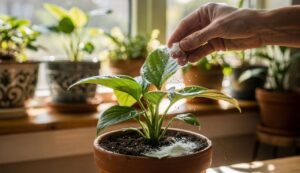
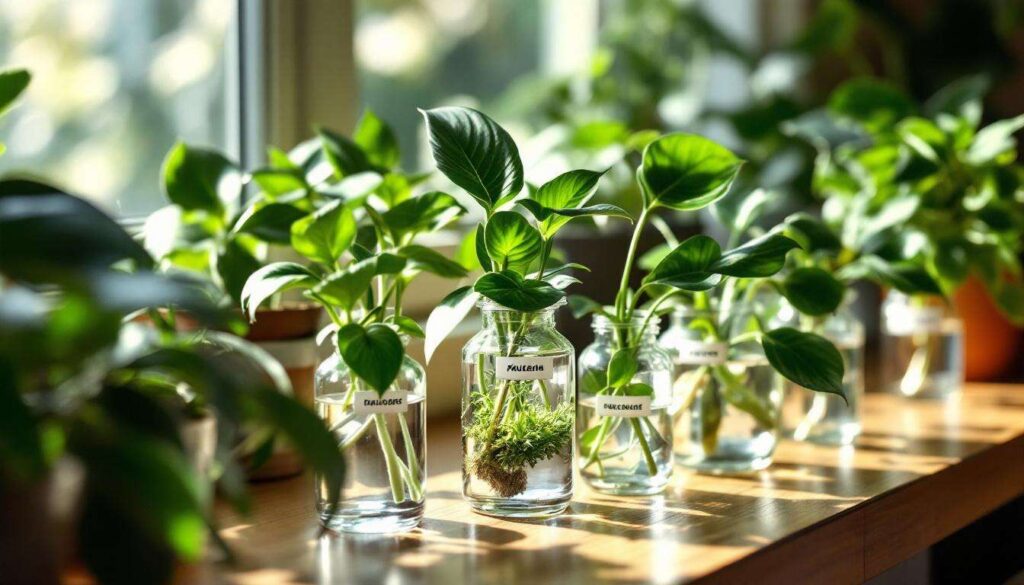
Taking houseplant cuttings during the quieter months offers gardeners an opportunity to multiply their indoor collection without spending a penny. Whilst many assume propagation is strictly a spring activity, starting the process now means your cuttings will have developed strong root systems by the time warmer weather arrives. This strategic timing allows you to transplant vigorous young plants into larger pots just as growing conditions become optimal, giving them the entire spring and summer to flourish.
Why propagate in January
January presents a surprisingly advantageous window for taking houseplant cuttings, despite the cold weather outside. Indoor conditions remain relatively stable throughout winter, with consistent temperatures and controlled environments that support successful propagation. Many houseplants enter a period of slower growth during these months, making them less stressed by the cutting process.
The timing advantage
Starting propagation now provides several practical benefits. Cuttings taken in January have approximately eight to twelve weeks to develop robust root systems before spring arrives. This extended establishment period means your new plants will be ready to capitalise on increased daylight hours and warmer temperatures from March onwards. Rather than beginning propagation when plants are already entering their active growth phase, you’re giving cuttings a head start.
Indoor environmental benefits
Winter heating systems maintain the warm temperatures that encourage root development. Most homes stay between 18-22°C, which falls within the ideal range for rooting many tropical houseplants. Additionally, lower light levels during winter actually reduce stress on fresh cuttings, as they don’t need to support extensive photosynthesis whilst establishing roots.
| Factor | Winter advantage | Result |
|---|---|---|
| Temperature | Consistent indoor heating | Stable rooting conditions |
| Light levels | Naturally lower | Reduced cutting stress |
| Growth phase | Plant dormancy | Less shock to parent plant |
These conditions create an environment where cuttings can focus energy on root production rather than maintaining foliage, setting the stage for selecting the right candidates for propagation.
The ideal houseplants for cuttings
Not all houseplants propagate equally well during winter months. Selecting species known for reliable rooting ensures higher success rates and reduces disappointment. Seven particular varieties stand out for their willingness to root from cuttings taken in January.
Pothos and philodendron varieties
These trailing plants top the list for beginner-friendly propagation. Both pothos and philodendrons produce roots readily from stem cuttings placed in water or soil. Their vigorous nature means cuttings typically show root development within two to three weeks. Look for healthy stems with at least two or three leaves and cut just below a node, where roots naturally emerge.
Spider plants and their offsets
Spider plants produce miniature plantlets on long stems, making propagation remarkably straightforward. These offsets already possess tiny root initials, so they establish quickly when separated from the parent plant. Simply snip the plantlet with a small section of stem attached and place it in water or directly into compost.
Monstera and rubber plants
Larger statement plants also propagate successfully in January. Monstera deliciosa cuttings should include at least one node and an aerial root if possible, whilst rubber plant cuttings benefit from having two to three leaves. These species take slightly longer to root, typically four to six weeks, but produce substantial new plants.
Additional reliable options
- Tradescantia: fast-rooting with colourful foliage that brightens winter windowsills
- Pilea peperomioides: produces offsets around the base that separate easily
- Snake plants: leaf cuttings root slowly but reliably over several months
- Christmas cactus: stem segments root readily after brief drying period
Having identified suitable candidates, the next consideration involves choosing the most effective propagation technique for each species.
Propagation methods for success
Different houseplants respond better to specific propagation techniques. Understanding these methods and matching them to your chosen plants significantly improves rooting success rates.
Water propagation technique
This popular method allows you to monitor root development directly. Fill clean glass containers with room-temperature water and place cuttings so nodes sit below the waterline whilst leaves remain above. Change the water every three to five days to prevent bacterial growth. Pothos, philodendrons and tradescantia excel with this approach, often producing visible roots within ten to fourteen days.
Direct soil propagation
Some plants establish more successfully when placed directly into growing medium. Use a mixture of equal parts multipurpose compost and perlite to ensure adequate drainage. Insert cuttings approximately 3-5cm deep, firm gently, and water sparingly. This method suits rubber plants, monstera and snake plant cuttings particularly well.
Creating optimal humidity
Cuttings lose moisture through their leaves before roots develop to replace it. Increasing humidity around cuttings prevents excessive water loss. Several approaches work effectively:
- Place clear plastic bags over pots, supported by canes to prevent contact with foliage
- Use purpose-built propagators with ventilated lids
- Group cuttings together to create a humid microclimate
- Position near bathroom or kitchen where ambient humidity runs higher
Rooting hormone application
Whilst not essential for easy-rooting species, hormone powder or gel accelerates root development in slower varieties. Dip the cut end into the product immediately after taking the cutting, tap off excess, then insert into your chosen medium. This proves particularly beneficial for rubber plants and monstera.
Once cuttings are prepared and positioned correctly, attention shifts to maintaining conditions that support steady root development throughout the remaining winter weeks.
Caring for cuttings during winter
Successful propagation depends on consistent care during the establishment phase. Winter conditions require particular attention to several environmental factors that influence rooting success.
Temperature management
Maintain temperatures between 18-22°C around your cuttings. Avoid placing them near cold windows, exterior doors or above radiators where temperature fluctuations occur. Consistent warmth encourages steady root growth without shocking developing tissue. If rooms cool significantly overnight, move cuttings to warmer locations or use heated propagation mats.
Light requirements
Position cuttings in bright, indirect light rather than direct sunshine. North or east-facing windowsills work well, providing sufficient light without scorching tender new growth. During January’s short days, supplementary grow lights can maintain adequate light levels, particularly for cuttings that show signs of etiolation such as pale leaves or stretched stems.
Watering considerations
Overwatering kills more cuttings than underwatering. Check soil moisture regularly by inserting your finger 2cm deep; water only when this top layer feels dry. For water-propagated cuttings, maintain levels so nodes remain submerged. Tepid water prevents temperature shock to developing roots.
Monitoring for problems
| Issue | Cause | Solution |
|---|---|---|
| Yellowing leaves | Overwatering or low light | Reduce watering frequency, improve light |
| Brown leaf edges | Low humidity | Increase humidity around cutting |
| Mushy stems | Rot from excess moisture | Remove affected cutting, improve drainage |
| No root development | Too cold or insufficient node contact | Increase temperature, check node position |
With proper winter care, cuttings gradually develop the root systems they’ll need when spring arrives and planting out becomes the next priority.
Planting the new plants in spring
By March or April, your January cuttings should display healthy root systems ready for transplanting into individual pots. This transition requires careful handling to avoid damaging delicate new roots.
Assessing root readiness
Cuttings propagated in water are ready when roots measure 5-8cm long with visible branching. Soil-propagated cuttings show readiness through new leaf growth and resistance when gently tugged. Waiting for adequate root development ensures plants establish quickly in their new containers.
Transplanting water-rooted cuttings
Fill small pots with quality houseplant compost, creating a hole large enough to accommodate roots without crowding. Handle roots gently as water-grown roots are initially fragile. Position the cutting at the same depth it sat in water, firm compost around roots, and water thoroughly. Keep newly potted plants in similar light conditions to their propagation location for one week before gradually increasing light exposure.
Potting up soil cuttings
These cuttings often transplant more easily as roots are already accustomed to growing medium. Carefully remove the cutting with its root ball intact and transfer to a slightly larger pot. This minimises root disturbance whilst providing space for continued growth.
Post-planting care schedule
- Week 1-2: maintain consistent moisture, avoid fertilising
- Week 3-4: begin normal watering routine for the species
- Week 5-6: introduce diluted liquid fertiliser at quarter strength
- Week 7 onwards: treat as established plants with regular feeding schedule
Spring’s increasing daylight and warmer temperatures provide ideal conditions for newly potted plants to establish vigorous growth, transforming your winter cuttings into thriving additions to your houseplant collection.
Taking houseplant cuttings in January capitalises on stable indoor conditions whilst giving new plants maximum establishment time before spring. The seven recommended species offer reliable results for propagators at any skill level, whether using water or soil methods. Consistent winter care focusing on appropriate temperature, light and moisture levels supports steady root development. By spring, these cuttings transform into independent plants ready for potting up and vigorous growth, effectively doubling your collection through this rewarding gardening practice.