

Gardening enthusiasts often seek vibrant blooms and easy-to-grow plants to enhance their outdoor spaces. However, some bulbous species that appear attractive and low-maintenance can quickly become problematic, spreading aggressively and disrupting local ecosystems. These invasive plants outcompete native flora, alter soil composition, and create maintenance nightmares for gardeners. Understanding which bulbs pose the greatest risk helps protect both your garden and the surrounding environment from unwanted colonisation.
Invasive bulbs: definition and issues
What makes a bulb invasive
An invasive bulb is a plant species that spreads rapidly beyond its intended planting area, establishing itself in natural habitats where it disrupts the ecological balance. These plants typically reproduce through multiple methods including bulb division, seed dispersal, and vegetative propagation. Unlike merely vigorous growers, invasive species lack natural predators or environmental controls in their adopted regions, allowing them to multiply unchecked.
Key characteristics of invasive bulbs include:
- Rapid reproduction rates through offsets and bulblets
- Tolerance to various soil types and weather conditions
- Resistance to common pests and diseases
- Ability to outcompete native vegetation for resources
- Difficulty in complete eradication once established
Environmental and ecological consequences
The introduction of invasive bulbs creates cascading effects throughout local ecosystems. These plants monopolise nutrients, water, and sunlight, preventing native species from thriving. Wildlife that depends on indigenous plants for food and shelter suffers as biodiversity declines. Some invasive bulbs also release allelopathic chemicals into the soil, actively inhibiting the growth of neighbouring plants.
The economic impact extends beyond environmental damage. Local authorities spend considerable resources attempting to control invasive populations in parks, nature reserves, and public spaces. Private landowners face ongoing battles to maintain their properties, often requiring professional intervention.
Understanding these broader implications helps explain why selecting appropriate bulbs matters beyond simple garden aesthetics.
Why avoid certain plants in your garden
Legal and regulatory considerations
Many regions have introduced legislation prohibiting the sale, distribution, or planting of specific invasive species. Gardeners who knowingly cultivate banned plants may face penalties, and property owners can be held responsible for preventing spread to neighbouring land or natural areas. Checking local regulations before purchasing bulbs ensures compliance and demonstrates environmental responsibility.
Long-term garden management challenges
Once established, invasive bulbs become extraordinarily difficult to remove. Their underground storage organs survive harsh conditions, and even small fragments left in soil can regenerate entire plants. Eradication efforts often require years of persistent digging, chemical treatments, or soil replacement. What begins as an attractive flower bed can transform into a perpetual maintenance burden.
These practical concerns complement environmental considerations when evaluating which plants deserve space in your garden.
Bulb species to definitely avoid
Spanish bluebells (Hyacinthoides hispanica)
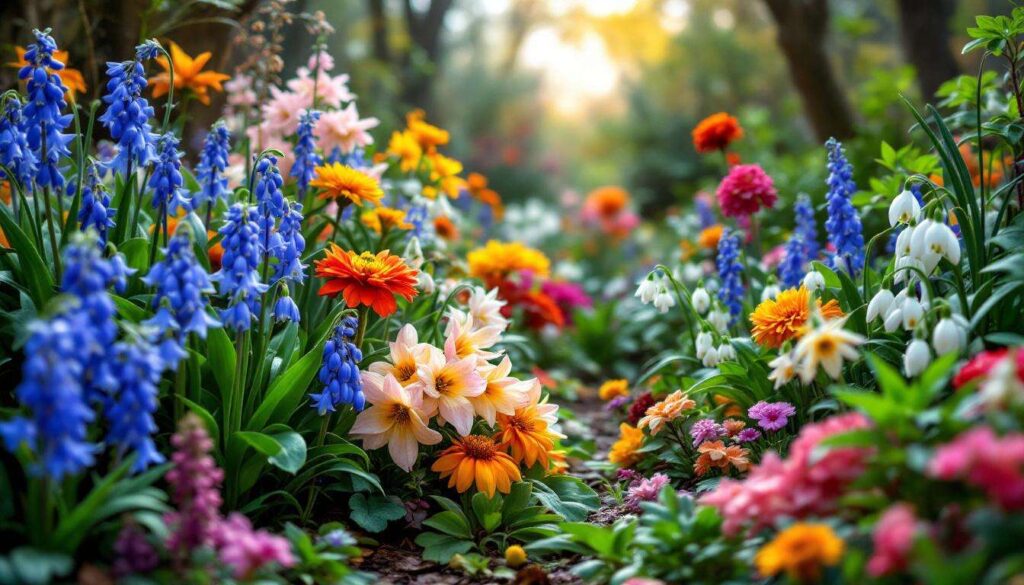
Whilst superficially similar to native British bluebells, Spanish bluebells hybridise readily with indigenous populations, threatening the genetic integrity of this beloved wildflower. They spread aggressively through seed dispersal and bulb division, colonising woodland areas and gardens. Their vigorous nature allows them to outcompete the more delicate native species, fundamentally altering traditional bluebell woodlands.
Winter aconite (Eranthis hyemalis)
This early-flowering bulb appears charming with its bright yellow blooms, but it spreads relentlessly through self-seeding and tuberous root expansion. Winter aconite establishes dense colonies that exclude other spring ephemerals and groundcovers. Removal proves particularly challenging as the small tubers fragment easily and persist in soil.
Lesser celandine (Ficaria verna)
Lesser celandine produces numerous bulbils both above and below ground, creating impenetrable carpets that smother native vegetation. Each plant generates dozens of reproductive structures that detach easily and spread through water, soil movement, and garden equipment. Its early emergence gives it a competitive advantage over most native species.
Ornamental onions (certain Allium species)
Whilst many ornamental alliums behave responsibly, species such as Allium triquetrum (three-cornered leek) and Allium paradoxum (few-flowered leek) spread aggressively in British gardens and wild spaces. They produce copious seeds and bulbils, establishing dense populations along waterways, in woodlands, and throughout cultivated areas.
Grape hyacinth (Muscari armeniacum)
This popular spring bulb multiplies rapidly through offset production and self-seeding. Grape hyacinth quickly escapes garden borders, infiltrating lawns, pathways, and neighbouring properties. Its persistent bulbs survive cultivation attempts and regenerate from tiny fragments.
Star-of-Bethlehem (Ornithogalum umbellatum)
Star-of-Bethlehem spreads through both seeds and bulb offsets, creating extensive colonies that displace native flora. The bulbs contain toxic compounds harmful to livestock and pets. Once established, complete removal requires excavating all soil containing bulb fragments.
Crocosmia (Crocosmia × crocosmiiflora)
Particularly problematic in mild, moist regions, crocosmia forms dense thickets through vigorous corm multiplication. Its tough, fibrous root systems make manual removal extremely labour-intensive. The plant readily colonises stream banks, roadsides, and waste ground, outcompeting native vegetation.
Recognising these problematic species allows gardeners to make informed choices when planning their planting schemes.
Eco-friendly alternatives
Native bulb options
Selecting native species provides numerous ecological benefits whilst creating beautiful garden displays. Native bulbs support local pollinators, integrate seamlessly with existing ecosystems, and require minimal maintenance once established.
Recommended native alternatives include:
- English bluebells (Hyacinthoides non-scripta) for woodland gardens
- Snakeshead fritillary (Fritillaria meleagris) for damp meadows
- Wild daffodils (Narcissus pseudonarcissus) for naturalising
- Ramsons (Allium ursinum) for shaded areas
- Summer snowflake (Leucojum aestivum) for pond margins
Well-behaved non-native options
Many introduced bulb species remain contained and controllable in garden settings. These plants offer diversity without posing invasion risks. Tulips, crocuses (smaller species), and most cultivated daffodil varieties provide colour without aggressive spreading tendencies. Selecting sterile cultivars or those with limited reproductive capacity further reduces risk.
These thoughtful choices enable vibrant gardens whilst protecting natural habitats.
Tips for a harmonious and sustainable garden
Prevention strategies
The most effective approach involves preventing invasive species from entering your garden initially. Research plants thoroughly before purchasing, consulting reputable sources about growth habits and invasive potential. Purchase bulbs from responsible suppliers who avoid stocking problematic species.
Containment methods
If growing potentially vigorous bulbs, employ physical barriers such as buried edging or contained planting beds. Regular deadheading prevents seed formation, whilst prompt removal of offsets limits vegetative spread. Monitor plantings consistently to detect and address problems early.
Responsible disposal
Never discard unwanted bulbs in compost heaps, natural areas, or green waste collections where they might regenerate. Bag and bin invasive plant material, or dry thoroughly before disposal. Never transplant problematic species to new locations, even within your own property.
Ongoing garden monitoring
Regular observation helps identify emerging issues before they become unmanageable. Create a garden journal noting which plants spread aggressively, allowing you to make informed decisions about retention or removal. Share information with fellow gardeners to raise awareness about problematic species.
Gardening choices extend beyond individual properties, influencing broader environmental health. Selecting appropriate bulbs protects native ecosystems whilst creating sustainable, beautiful outdoor spaces. By avoiding the seven invasive species discussed and opting for native or well-behaved alternatives, gardeners contribute to biodiversity conservation. Implementing prevention strategies, containment methods, and responsible disposal practices ensures that our gardens enhance rather than harm the natural world. Thoughtful plant selection represents a simple yet powerful way to garden sustainably.