



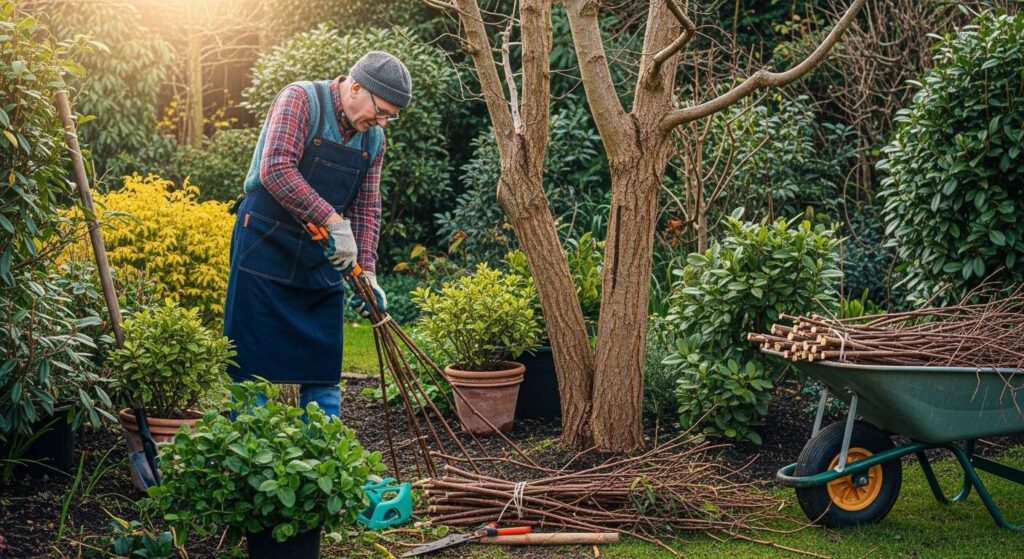
January marks an excellent opportunity for gardeners to propagate new plants through hardwood cuttings, a remarkably cost-effective method that transforms bare stems into thriving specimens. This traditional technique allows you to multiply your favourite shrubs and ornamental plants without spending a penny, whilst the dormant season provides ideal conditions for rooting. With minimal equipment and a bit of patience, you can create a substantial collection of plants that will enhance your garden’s beauty and structure for years to come.
Choosing shrubs to take cuttings from in January
Understanding which plants respond well to hardwood cuttings
The success of hardwood cuttings depends largely on selecting appropriate plant varieties. Deciduous shrubs that have shed their leaves and entered dormancy prove most suitable for this propagation method. Roses stand out as particularly reliable candidates, with varieties ranging from classic hybrid teas to robust climbing specimens responding exceptionally well to winter propagation. The dormant wood contains sufficient stored energy to develop roots before spring growth begins.
Currants, both ornamental and fruiting varieties, offer another excellent choice for January cuttings. These hardy shrubs root readily and establish quickly, making them perfect for beginners. Forsythia, with its brilliant yellow spring blooms, propagates effortlessly from hardwood cuttings, allowing you to create stunning hedges or specimen plants. Dogwoods, particularly those grown for their colourful winter stems, multiply easily through this method, enabling you to expand dramatic winter displays throughout your garden.
Seven top performers for January propagation
The following plants demonstrate exceptional success rates when propagated through hardwood cuttings taken during January:
- Willow: roots with remarkable speed and vigour, ideal for screening or erosion control
- Elderberry: produces both ornamental foliage and edible flowers and berries
- Honeysuckle: creates fragrant climbers perfect for walls and pergolas
- Weigela: offers abundant tubular flowers in late spring and early summer
- Buddleia: attracts butterflies whilst providing dramatic summer colour
- Philadelphus: delivers intensely fragrant white blooms in early summer
- Ribes: includes both ornamental flowering currants and productive fruiting varieties
Understanding the characteristics of suitable plants naturally leads to mastering the practical techniques required for successful propagation.
Cutting techniques for optimal results
Selecting and preparing the parent plant material
Healthy, disease-free growth from the current season forms the foundation of successful cuttings. Look for pencil-thick stems that have matured and hardened but remain relatively young. Each cutting should measure approximately 20-30 centimetres in length, providing sufficient material for both root and shoot development. Make your cuts using sharp, clean secateurs to ensure smooth edges that heal quickly and resist infection.
The bottom cut should be made just below a bud at a 45-degree angle, whilst the top cut sits just above a bud at a straight angle. This distinction helps you identify which end goes into the soil and encourages water to run off the top cut, reducing the risk of rot. Remove any remaining leaves and soft tip growth, as these would only drain energy from root development.
Timing and environmental considerations
January’s cold temperatures and dormant plant state create ideal conditions for hardwood cuttings. Frost-free days provide the best opportunities for taking cuttings, as frozen stems can suffer cellular damage that impairs rooting. Early morning collection ensures stems contain maximum moisture content, improving their chances of successful establishment.
| Cutting stage | Optimal temperature | Timeframe |
|---|---|---|
| Collection | 0-5°C | Morning hours |
| Preparation | 5-10°C | Same day |
| Initial rooting | 4-8°C | 6-8 weeks |
Once you’ve mastered cutting techniques, attention must turn to creating the perfect growing environment for your propagated material.
Preparing the soil to welcome the cuttings
Creating the ideal rooting medium
Well-draining soil proves essential for hardwood cutting success, as waterlogged conditions quickly lead to rot rather than root development. A mixture combining equal parts garden soil, sharp sand, and compost provides excellent drainage whilst retaining sufficient moisture. The sand component ensures air reaches developing roots, whilst organic matter supplies gentle nutrition as the cuttings establish.
Choose a sheltered location that receives indirect light but avoids harsh afternoon sun. A trench system works particularly well for hardwood cuttings, allowing you to plant multiple specimens efficiently. Dig a narrow trench approximately 15 centimetres deep, with one vertical side against which you’ll place your cuttings. This method ensures good soil contact and proper orientation.
Site selection and preparation steps
- Select a spot with good drainage that doesn’t become waterlogged during winter rains
- Remove all weeds and debris from the planting area
- Incorporate organic matter to improve soil structure and fertility
- Ensure the site offers protection from strong winds that could desiccate cuttings
- Consider using raised beds if your garden soil drains poorly
With proper soil preparation complete, ongoing care becomes the next crucial factor in propagation success.
Caring for cuttings during winter
Monitoring moisture levels and protection
Hardwood cuttings require consistent but not excessive moisture throughout winter months. The soil should feel slightly damp to the touch but never saturated. Natural rainfall typically provides adequate moisture during January, though extended dry periods may necessitate supplementary watering. Check cuttings weekly, gently firming any that have been lifted by frost action.
Frost protection becomes necessary during severe cold snaps, particularly for less hardy species. A layer of horticultural fleece or a cloche system shields vulnerable cuttings from extreme temperatures whilst maintaining air circulation. Avoid using plastic sheeting directly over cuttings, as condensation encourages fungal diseases.
Identifying signs of successful rooting
Patience proves essential during winter care, as visible growth won’t appear until spring. However, gentle resistance when you tug lightly on a cutting indicates root development has begun. Avoid disturbing cuttings unnecessarily, as this disrupts fragile new roots. By late winter, some species may show slight bud swelling, signalling successful establishment and imminent spring growth.
As winter transitions into warmer months, your established cuttings will require different management approaches.
Transplanting young plants in spring
Recognising readiness for transplanting
Spring brings renewed growth that signals your cuttings have successfully rooted and are ready for their permanent positions. New leaf growth and visible shoot extension indicate the plant has developed sufficient root systems to support independent growth. Most hardwood cuttings taken in January will be ready for transplanting by late spring or early summer, though some slower species may benefit from remaining in their nursery bed for a full growing season.
Before transplanting, harden off your young plants by gradually exposing them to more challenging conditions. This process strengthens stems and prepares foliage for life outside the protected nursery environment. Begin by removing protective coverings for increasingly longer periods over two weeks.
Transplanting procedure and aftercare
- Water cuttings thoroughly the day before transplanting to minimise root disturbance
- Dig generous planting holes enriched with compost in their final positions
- Carefully lift rooted cuttings, preserving as much root system as possible
- Plant at the same depth they grew in the nursery bed
- Water well and apply mulch to conserve moisture and suppress weeds
- Monitor closely during the first growing season, providing supplementary water during dry spells
Whilst basic techniques deliver good results, implementing additional strategies can significantly improve your propagation success rates.
Tips for maximising cutting success
Advanced techniques for improved rooting
Rooting hormone, whilst not essential for hardwood cuttings, can accelerate root development and improve success rates, particularly with less cooperative species. Dip the basal end of each cutting in hormone powder before inserting into soil. Choose formulations specifically designed for hardwood cuttings, as these contain appropriate hormone concentrations.
Wounding the cutting base by making shallow vertical cuts through the bark exposes more cambium tissue, encouraging root formation. This technique proves particularly effective for thick-stemmed species that root slowly. Bottom heat can stimulate faster rooting, though most January cuttings succeed without this intervention.
Record keeping and continuous improvement
Maintaining detailed records of your propagation activities enables you to refine techniques over time. Note which species root most successfully, optimal cutting lengths, and environmental conditions during collection. Photograph your cuttings at various stages to document progress and identify problems early. This systematic approach transforms propagation from guesswork into a reliable, repeatable process that consistently delivers excellent results.
Hardwood cuttings taken in January offer gardeners an invaluable opportunity to expand their plant collections without financial outlay. By selecting appropriate species, employing proper cutting techniques, and providing suitable growing conditions, you can successfully propagate numerous shrubs and ornamental plants. The process requires patience and attention to detail, but the rewards of watching your cuttings develop into healthy, vigorous plants make the effort thoroughly worthwhile. This traditional propagation method connects modern gardeners with time-tested horticultural wisdom whilst delivering practical benefits that enhance any garden’s diversity and beauty.