



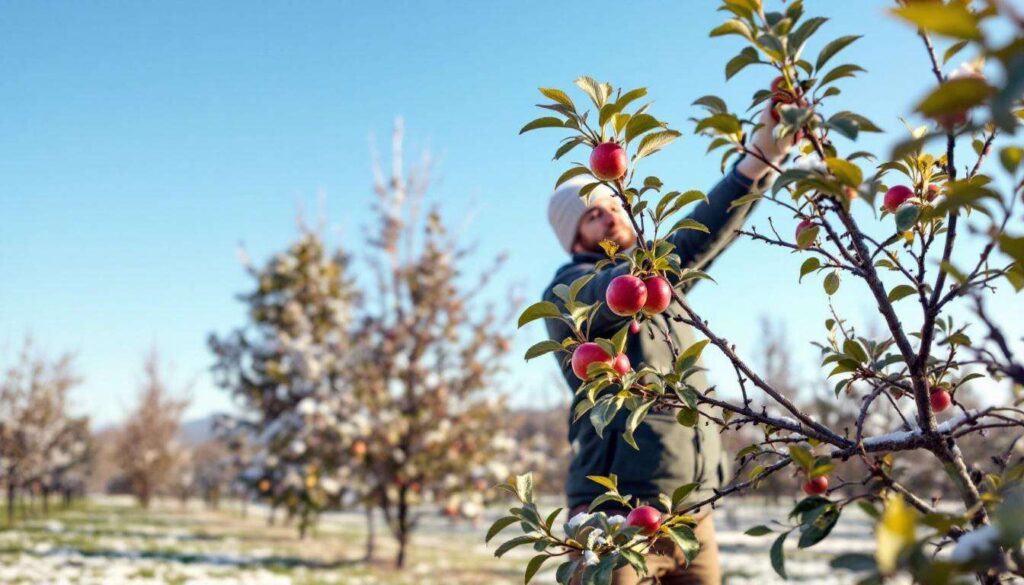
Winter months offer gardeners a crucial window for maintaining the health and vigour of various trees and plants. January, in particular, presents ideal conditions for pruning, as many species enter dormancy and the risk of disease transmission decreases significantly. Proper pruning techniques during this period encourage robust growth, improve structural integrity, and enhance flowering potential for the coming seasons. Understanding which trees benefit from winter pruning and how to approach each variety ensures gardens remain productive and visually appealing throughout the year.
Apple trees: essential winter care
Why January is perfect for apple tree pruning
January represents the optimal time for pruning apple trees whilst they remain fully dormant. During this period, the absence of leaves allows gardeners to assess the tree’s structure clearly, identifying crossing branches, damaged wood, and areas requiring attention. The cold temperatures also minimise the risk of fungal infections entering fresh cuts, as most pathogens remain inactive during winter months.
Techniques for effective apple tree pruning
Begin by removing the three Ds: dead, diseased, and damaged wood. These elements compromise tree health and provide entry points for pests and diseases. Next, focus on creating an open centre structure that allows sunlight and air circulation throughout the canopy.
- Remove any branches growing inward towards the tree centre
- Eliminate crossing branches that rub against each other
- Cut back vertical shoots known as water sprouts
- Reduce the length of leading branches by approximately one-third
- Maintain a balanced shape with evenly spaced lateral branches
Always use sharp, clean secateurs and make cuts at a 45-degree angle just above an outward-facing bud. This encourages growth away from the tree centre and prevents water accumulation on cut surfaces.
Whilst apple trees demand attention, ornamental plants also benefit significantly from winter pruning practices.
Prune rose bushes for abundant blooms
Timing considerations for rose pruning
Although traditionally associated with late winter, January pruning suits many rose varieties, particularly in milder regions. Hybrid teas, floribundas, and shrub roses all respond positively to early pruning, which stimulates vigorous spring growth and abundant flowering. However, gardeners in colder areas may prefer to wait until late January or early February when the harshest frosts have passed.
Step-by-step rose pruning guide
Rose pruning requires a methodical approach to achieve the best results. Start by assessing the overall plant condition and identifying which stems require removal.
| Rose type | Cutting height | Expected stems remaining |
|---|---|---|
| Hybrid tea roses | 20-25 cm from ground | 3-5 strong stems |
| Floribunda roses | 30-40 cm from ground | 5-7 healthy stems |
| Shrub roses | Reduce by one-third | Natural shape maintained |
Remove all weak, spindly growth and any stems thinner than a pencil. Cut to an outward-facing bud to encourage an open, vase-shaped structure. This approach maximises air circulation and reduces the likelihood of fungal diseases such as black spot and powdery mildew.
Beyond roses, other flowering plants require similar attention during the winter months.
Flowering shrubs: pruning for revitalisation
Identifying shrubs for January pruning
Several deciduous flowering shrubs benefit from January pruning, including buddleia, late-flowering clematis, and hardy fuchsias. These plants flower on new wood produced during the current growing season, making winter pruning essential for maximising bloom production. Conversely, spring-flowering shrubs such as forsythia and lilac should be left until after flowering, as they develop buds on previous year’s growth.
Pruning methods for vigorous growth
For buddleia, reduce all stems to approximately 30-60 cm from ground level, cutting just above a pair of healthy buds. This severe pruning prevents the shrub from becoming leggy and encourages strong, flowering shoots. Hardy fuchsias respond similarly to hard pruning, with stems cut back to the lowest healthy buds visible above ground.
Late-flowering clematis varieties, particularly those in Group 3, require cutting back to approximately 30 cm above ground level. Remove all previous year’s growth, leaving just a framework of old wood with visible buds. This drastic reduction may seem extreme, but it ensures vigorous new growth and prolific flowering from summer onwards.
Herbaceous perennials also demand attention during this dormant period.
Perennial geraniums: cut back in January
Benefits of winter cutting for geraniums
Hardy geraniums, despite being herbaceous perennials rather than trees, merit inclusion due to their structural presence in many gardens. January provides an excellent opportunity to cut back tired foliage, which often becomes tatty and disease-prone over winter. Removing old growth stimulates fresh, vigorous shoots and prevents the spread of rust and other fungal problems.
Proper cutting techniques
Using sharp shears, cut all geranium foliage back to approximately 5-10 cm above ground level. Remove all debris from around the plant base to eliminate overwintering pests and disease spores. Apply a light mulch of well-rotted compost around the crown, avoiding direct contact with emerging shoots. This provides nutrients and moisture retention for the coming growing season.
Structured plantings such as hedges also require systematic winter maintenance.
Hedge cleaning for perfect structure
Advantages of January hedge maintenance
January offers ideal conditions for hedge trimming and renovation, particularly for deciduous varieties such as beech, hornbeam, and hawthorn. The absence of nesting birds removes legal restrictions, whilst dormancy allows plants to recover before spring growth commences. Formal hedges benefit from precise shaping that establishes clean lines for the year ahead.
Renovation and maintenance approaches
For established hedges requiring only maintenance, trim sides and top to maintain the desired shape, creating a slight taper with the base wider than the top. This profile ensures lower branches receive adequate sunlight. Overgrown hedges may require more drastic renovation, which can be undertaken in stages over two to three years.
- Assess hedge condition and identify areas requiring attention
- Cut one side back hard to the main stems in year one
- Allow recovery and repeat on the opposite side in year two
- Reduce height in year three if necessary
Feed renovated hedges with a balanced fertiliser in early spring to support recovery and new growth. Mulching around the base helps retain moisture and suppress competing weeds.
Fruit production also benefits from careful winter pruning practices.
Vine pruning for better harvest
Understanding vine growth patterns
Grapevines require annual pruning to maintain productivity and prevent excessive vegetative growth at the expense of fruit production. January represents the final opportunity for winter pruning before sap begins rising in late winter. Vines produce fruit on current season’s growth arising from previous year’s wood, making systematic pruning essential for consistent harvests.
Spur and rod pruning systems
Two main pruning systems suit different vine training methods. The rod and spur system suits vines trained along wires or against walls, whilst the Guyot system works well for free-standing vines.
| System | Method | Suitable for |
|---|---|---|
| Rod and spur | Cut lateral shoots back to 2-3 buds | Wall-trained vines |
| Guyot | Select one or two rods, remove others | Wire-trained systems |
For rod and spur pruning, maintain permanent framework rods and cut all lateral shoots back to two or three buds from the main stem. These shortened spurs produce fruiting shoots during the growing season. Remove any weak or poorly positioned growth entirely.
Guyot pruning involves selecting one or two strong rods from the previous season and removing all other growth. Tie selected rods horizontally along support wires, and these will produce vertical fruiting shoots. This system suits vigorous varieties and provides excellent air circulation around developing fruit clusters.
January pruning represents a fundamental aspect of successful garden management, offering opportunities to enhance tree health, improve flowering potential, and increase fruit production. The dormant period provides ideal conditions for making significant interventions whilst minimising stress to plants. By addressing apple trees, roses, flowering shrubs, geraniums, hedges, and vines during this critical month, gardeners establish strong foundations for productive and attractive gardens throughout the coming seasons. Regular winter maintenance ensures plants remain vigorous, disease-resistant, and capable of delivering their full ornamental and productive potential year after year.