

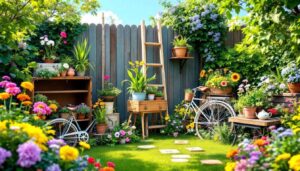

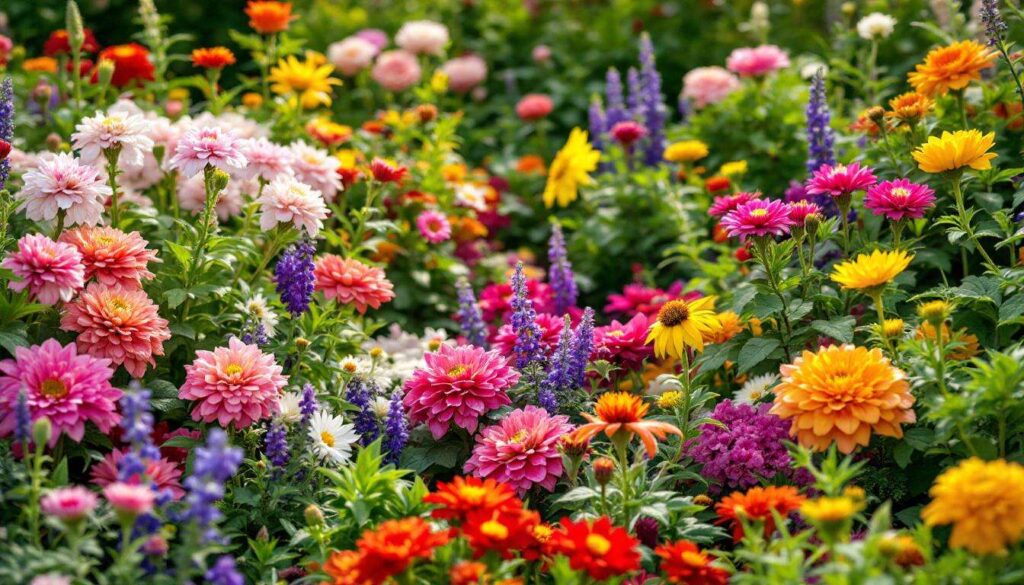
Transforming your garden into a vibrant tapestry of colour and texture requires thoughtful planning and strategic plant selection. Whether you’re working with a compact urban plot or an expansive rural landscape, the key lies in understanding how different elements interact throughout the seasons. By combining structural evergreens, seasonal flowers, contrasting hues, and varied textures, you can craft an outdoor space that captivates the eye every month of the year. These nine practical design tips will guide you through creating a garden that evolves gracefully, offering visual interest regardless of the weather or season.
Choosing evergreen plants for lasting structure
Why evergreens form the backbone of year-round gardens
Evergreen plants provide permanent structure that anchors your garden design through every season. Unlike deciduous varieties that shed their leaves, these steadfast specimens maintain their foliage, ensuring your garden never appears bare or lifeless. Box hedging, yew topiary, and holly bushes create architectural definition that remains constant whilst surrounding plants come and go.
Selecting the right evergreens for your climate
Not all evergreens thrive in every location, making climate consideration essential. Research which varieties suit your hardiness zone and soil conditions:
- Rhododendrons and camellias for acid soils in milder regions
- Conifers such as pine and spruce for colder climates
- Mediterranean herbs like rosemary and lavender for sunny, well-drained spots
- Bamboo varieties for creating privacy screens in sheltered gardens
Positioning evergreens strategically
Place larger evergreens as focal points or boundary markers, using them to frame views and create garden rooms. Smaller specimens work brilliantly in containers flanking doorways or punctuating flower beds. This strategic placement ensures your garden maintains visual interest even during the bleakest winter months, setting the stage for the seasonal performers that will enhance the display.
Integrating seasonal blooms to invigorate your space
Planning a succession of flowering periods
A well-designed garden features continuous blooms from early spring through late autumn. Create a planting calendar that maps out flowering times, ensuring gaps are filled. Spring bulbs like crocuses and daffodils give way to summer perennials such as roses and delphiniums, followed by autumn asters and sedums.
Combining annuals and perennials for flexibility
Whilst perennials return reliably each year, annuals offer flexibility to experiment with colour schemes and fill unexpected gaps. Consider this balanced approach:
| Plant Type | Advantages | Best Uses |
|---|---|---|
| Perennials | Long-term investment, reliable returns | Backbone planting, borders |
| Annuals | Vibrant colour, season-long blooms | Containers, gap-filling, experimentation |
| Biennials | Self-seeding, naturalistic effect | Cottage garden style, meadows |
Don’t overlook winter-flowering varieties
Winter needn’t be colourless. Hellebores, winter jasmine, and witch hazel provide unexpected bursts of colour during the coldest months, proving that thoughtful selection extends the flowering calendar far beyond conventional expectations. These choices naturally lead to considering how colours themselves can be orchestrated for maximum impact.
Playing with colours to create visual contrast
Understanding colour theory in garden design
Colour relationships dramatically affect how your garden feels. Complementary colours like purple and yellow create vibrant energy, whilst analogous schemes using neighbouring hues produce harmonious tranquillity. Hot colours advance visually, making spaces feel smaller and more intimate, whereas cool blues and purples recede, creating an illusion of depth.
Creating focal points with bold colour choices
Strategic placement of vivid colours draws the eye and creates natural focal points. A brilliant red Japanese maple against a backdrop of green foliage commands attention, whilst a drift of white flowers illuminates shady corners. Consider these effective contrast techniques:
- Dark foliage plants like Cotinus ‘Royal Purple’ against lime-green hostas
- Silver-leaved artemisia complementing deep purple salvias
- Golden grasses highlighting burgundy sedums
- White flowering plants brightening dark corners
Seasonal colour transitions
Plan colour progressions that mirror natural seasonal shifts. Spring pastels evolve into summer’s bold primaries, transitioning to autumn’s warm oranges and russets before winter’s subdued palette takes over. This thoughtful progression creates a garden that feels instinctively connected to the natural world, though colour alone cannot achieve complete visual interest without considering texture.
Using different textures to enrich the garden
Contrasting leaf shapes and surfaces
Texture adds tactile dimension that transforms ordinary plantings into sophisticated compositions. Juxtapose glossy camellia leaves against feathery ferns, or position spiky cordylines beside soft, rounded hydrangea foliage. These contrasts create visual complexity that remains interesting even when flowers fade.
Incorporating varied plant forms
Beyond individual leaf textures, overall plant forms contribute substantially to garden interest. Combine these diverse shapes for maximum effect:
- Upright spires like foxgloves and delphiniums
- Rounded mounds such as lavender and geraniums
- Spreading groundcovers including ajuga and thyme
- Architectural specimens like yuccas and phormiums
- Weeping forms such as ornamental grasses
Hardscaping textures for year-round appeal
Don’t limit texture considerations to plants alone. Gravel paths, brick edging, wooden fencing, and stone features provide permanent textural elements that anchor softer plantings. Rough-hewn stone contrasts beautifully with smooth pebbles, whilst weathered timber complements both formal and naturalistic schemes. These textural layers work alongside vertical elements to create truly three-dimensional gardens.
Utilising heights for a balanced layout
Creating layers from ground to canopy
Professional garden designers think in vertical strata, building layers that guide the eye upward. Start with groundcovers, add mid-height perennials, incorporate shrubs, and finish with trees or tall structures. This layering creates depth and ensures every viewing angle offers something interesting.
Practical height combinations
Balance requires understanding appropriate scale relationships. A useful framework for mixed borders follows this pattern:
| Layer | Height Range | Example Plants |
|---|---|---|
| Ground | 0-30cm | Creeping thyme, ajuga, viola |
| Foreground | 30-60cm | Lavender, hardy geraniums, catmint |
| Mid-border | 60-120cm | Roses, peonies, daylilies |
| Background | 120cm+ | Delphiniums, hollyhocks, shrubs |
Using vertical structures creatively
When ground space is limited, grow upward. Obelisks, trellises, and pergolas support climbing plants that add height without consuming precious horizontal space. Clematis, climbing roses, and honeysuckle transform vertical surfaces into living tapestries, whilst also serving as the perfect backdrop for introducing personal touches through decorative elements.
Adding decorative elements to personalise your garden
Choosing ornaments that complement plantings
Garden ornaments should enhance rather than overwhelm natural beauty. Select pieces that reflect your personal style whilst respecting the garden’s overall aesthetic. Classical statuary suits formal designs, whilst rustic metal sculptures complement cottage gardens. Consider scale carefully: oversized pieces dominate small spaces, whilst tiny ornaments disappear in expansive landscapes.
Functional decorative features
The most successful garden additions serve dual purposes. These practical decorative elements add character whilst fulfilling genuine needs:
- Attractive bird baths providing wildlife habitat
- Decorative containers housing seasonal plantings
- Stylish benches creating rest spots with views
- Ornamental lighting illuminating paths safely
- Water features adding movement and sound
Seasonal decorative updates
Keep your garden feeling fresh by rotating seasonal accessories. Spring might feature pastel-painted pots, summer could introduce colourful cushions on seating, autumn welcomes decorative gourds, and winter accommodates evergreen wreaths and subtle lighting. These changeable elements allow personality expression without permanent commitment.
A garden rich in colour and texture throughout the year emerges from layered planning rather than chance. By establishing evergreen structure, orchestrating seasonal blooms, manipulating colour relationships, contrasting textures, creating vertical interest, and adding personal decorative touches, you craft an outdoor space that evolves gracefully through every season. These principles work together synergistically, each element enhancing the others to produce a cohesive, captivating landscape that rewards attention with year-round beauty and endless opportunities for creative expression.