



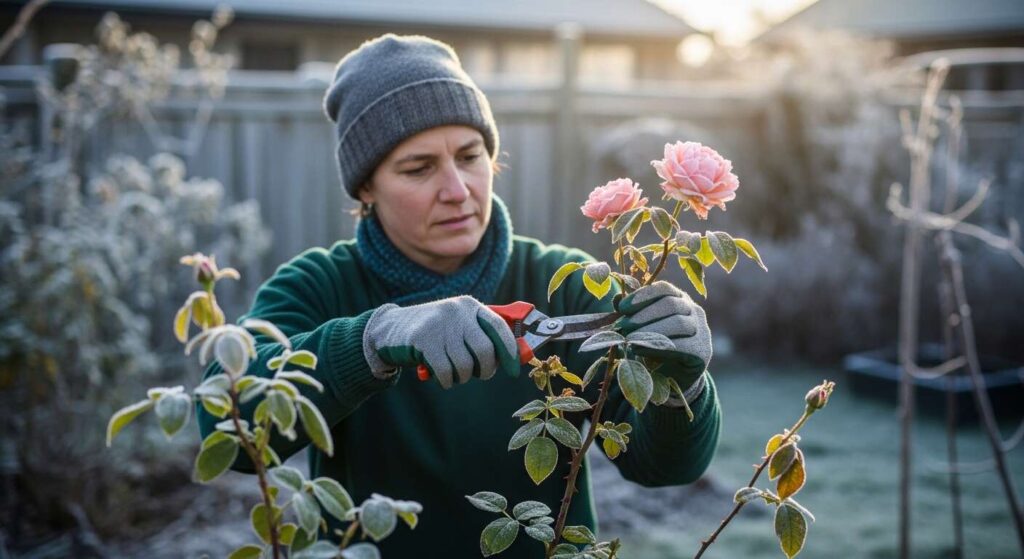
Gardeners often overlook the value of winter pruning, yet this dormant season offers the perfect opportunity to shape plants for vigorous spring growth. With sap levels low and foliage absent, visibility improves dramatically, allowing precise cuts that promote healthier structure and abundant flowering. Strategic pruning during the coldest month encourages robust development, prevents disease, and ensures gardens burst into life when warmer weather arrives.
Why prune in January ?
The dormancy advantage
Pruning during dormancy minimises stress on plants because their energy reserves remain concentrated in roots and woody stems. Deciduous plants have shed their leaves, making branch structure clearly visible and enabling gardeners to identify dead, diseased, or crossing branches with ease. The absence of active growth means wounds heal more efficiently once spring arrives, reducing the risk of infection.
Disease prevention and pest control
Cold temperatures naturally suppress fungal spores and bacterial activity, making winter pruning considerably safer than cutting during warmer months. Removing damaged or diseased wood eliminates overwintering sites for pests and pathogens. This proactive approach significantly reduces the likelihood of spring infestations that could compromise plant health.
| Pruning season | Disease risk | Healing time |
|---|---|---|
| January | Low | Fast (spring) |
| Summer | High | Slow |
Understanding these biological advantages helps gardeners appreciate why specific plants respond exceptionally well to winter maintenance, particularly those that flower later in the growing season.
Spring flowering shrubs
Identifying suitable candidates
Not all flowering shrubs benefit from January pruning. Summer-flowering varieties that bloom on new wood respond particularly well to winter cutting. These include buddleia, hardy fuchsias, and deciduous ceanothus. Pruning these plants hard in winter stimulates vigorous new shoots that carry abundant flowers.
- Buddleia davidii: cut back to 30-60cm from ground level
- Hardy fuchsias: reduce stems to 15cm above soil
- Deciduous ceanothus: trim back previous year’s growth by half
- Lavatera: prune to framework of older wood
Technique for optimal results
When pruning summer-flowering shrubs, make clean cuts just above outward-facing buds at approximately 45-degree angles. This encourages open, balanced growth that allows air circulation and sunlight penetration. Remove any weak, spindly stems entirely, focusing energy on fewer, stronger shoots that produce superior flowers.
These flowering shrubs share growing patterns with roses, which also demand careful winter attention to deliver spectacular displays.
Roses: preparing for blooming
Timing considerations for rose varieties
Different rose types require varied pruning schedules. Hybrid teas, floribundas, and patio roses benefit from January pruning in milder regions, though gardeners in colder areas should wait until late winter when severe frost risk diminishes. Climbing and rambling roses generally prefer later pruning after flowering.
Essential cutting techniques
Rose pruning focuses on creating an open, vase-shaped structure that maximises light exposure and air movement. Begin by removing dead, damaged, or diseased wood, cutting back to healthy white pith. Eliminate crossing branches that rub together, as friction creates entry points for infection.
- Remove stems thinner than a pencil
- Cut to outward-facing buds 5mm above the bud
- Reduce bush roses by one-third to one-half
- Clean tools between plants to prevent disease spread
Promoting vigorous spring growth
After pruning, apply a generous mulch of well-rotted manure or compost around the base, keeping material clear of stems. This feeds soil organisms that release nutrients gradually as temperatures rise, providing roses with sustained nourishment for strong new growth and prolific flowering.
Whilst roses demand specific attention, fruit trees require equally thoughtful winter care to ensure productive harvests.
Pruning fruit trees in winter
Apple and pear tree maintenance
January represents the ideal window for pruning established apple and pear trees. Dormant pruning encourages fruiting spurs whilst maintaining manageable tree size. Remove dead, diseased, or damaged branches first, then address crossing or congested growth that restricts airflow.
Creating productive frameworks
For established trees, focus on maintaining an open centre that allows sunlight to reach developing fruit. Shorten lateral branches to three or four buds to stimulate fruiting spur development. Vertical water shoots that grow vigorously upwards should be removed entirely as they rarely produce fruit.
| Tree type | Pruning intensity | Expected benefit |
|---|---|---|
| Young trees (1-3 years) | Light shaping | Framework establishment |
| Mature trees | Moderate thinning | Improved fruit quality |
| Neglected trees | Gradual renovation | Rejuvenation over 3 years |
Stone fruit considerations
Plums, cherries, and other stone fruits require different timing due to silver leaf disease susceptibility. These trees should be pruned in summer when actively growing, as wounds seal faster and infection risk drops significantly. Never prune stone fruits during winter dormancy.
Beyond individual specimens, structural plantings like hedges also benefit from winter attention to maintain garden aesthetics.
Maintaining hedges for a tidy garden
Deciduous hedge trimming
Established deciduous hedges including beech, hornbeam, and hawthorn tolerate hard pruning during dormancy. January trimming removes excess growth accumulated during the previous season whilst maintaining the desired shape and density. This timing avoids disturbing nesting birds, which become active from spring onwards.
- Trim formal hedges to maintain crisp lines
- Taper sides slightly inward at the top for light penetration
- Remove up to one-third of height if rejuvenating overgrown hedges
- Use sharp tools for clean cuts that heal rapidly
Evergreen hedge care
Most evergreen hedges such as yew, box, and holly can receive light trimming in January, though major pruning should wait until spring when growth resumes. Remove dead or damaged sections and lightly shape if necessary, but avoid cutting into old wood unless the species tolerates hard renovation.
Mastering these techniques requires understanding broader principles that maximise the benefits of winter pruning.
Tip: maximising pruning for better plant health
Tool maintenance and hygiene
Sharp, clean tools make precise cuts that heal quickly, whilst blunt blades crush stems and create ragged wounds vulnerable to infection. Sterilise secateurs and saws between plants using diluted disinfectant or methylated spirits, particularly when moving between specimens or removing diseased material.
Understanding plant responses
Pruning stimulates growth hormones that encourage buds below cuts to break dormancy vigorously. Hard pruning produces strong shoots but fewer flowers initially, whilst light pruning generates numerous weaker stems. Match pruning intensity to desired outcomes, considering each plant’s natural growth habit and flowering pattern.
- Remove no more than one-third of growth in a single session
- Step back regularly to assess overall shape
- Consider mature size when shaping young plants
- Feed and mulch after pruning to support recovery
Weather awareness
Avoid pruning during frost or when temperatures remain below freezing, as frozen wood splits unpredictably and wounds struggle to seal properly. Choose mild, dry days when possible, allowing cuts to dry before moisture returns. This simple precaution significantly reduces disease risk and promotes faster healing.
Winter pruning transforms gardens by redirecting plant energy towards productive growth and abundant flowering. The nine plant groups covered demonstrate how strategic January cutting enhances structure, prevents disease, and maximises spring displays. From roses and fruit trees to hedges and summer-flowering shrubs, dormant-season maintenance establishes foundations for thriving gardens. Armed with sharp tools, sound technique, and understanding of plant biology, gardeners can confidently approach winter pruning as an investment in months of beauty ahead.