

Gardeners eager to maximise their growing season understand that waiting for spring’s official arrival can mean missing valuable weeks of cultivation. Starting seeds early, whether on a sunny windowsill or in a protected outdoor spot, extends the harvest window and allows slower-maturing crops to develop properly. With careful planning and the right seed choices, the dormant winter months transform into a productive preparation period for the abundant months ahead.
Introduction to seed cultivation
Understanding the fundamentals of seed starting
Seed cultivation represents one of gardening’s most rewarding practices, offering both economic benefits and the satisfaction of nurturing plants from their earliest stages. The process involves creating optimal conditions for germination, which requires attention to temperature, moisture, light, and growing medium. Seeds contain all the genetic information and initial nutrients needed for sprouting, but gardeners must provide the environmental triggers that signal the right time to grow.
Why timing matters in seed sowing
Different plants have vastly different germination requirements and growth rates. Long-season crops such as peppers, aubergines, and tomatoes require eight to twelve weeks of indoor growth before transplanting, making early sowing essential. Conversely, quick-maturing vegetables like radishes and certain salad greens can be sown directly outdoors once soil conditions permit. Understanding these distinctions allows gardeners to stagger plantings and ensure continuous harvests throughout the growing season.
This foundational knowledge sets the stage for exploring which specific seeds benefit most from immediate indoor starting.
Ideal seeds for indoor starting
Herbs that thrive on windowsills
Culinary herbs represent some of the most successful indoor seed-starting projects. These aromatic plants adapt well to container cultivation and provide fresh flavours even during winter months:
- Basil requires warmth and abundant light, making a south-facing window ideal
- Parsley germinates slowly but produces reliably once established
- Coriander prefers cooler conditions and can bolt quickly in excessive heat
- Chives tolerate lower light levels and produce continuously when harvested regularly
- Thyme and oregano, once established, become hardy perennials suitable for eventual outdoor transplanting
Slow-maturing vegetables requiring early attention
Certain vegetables demand extended growing periods that necessitate indoor starting well before the last frost date. Onions from seed benefit from twelve to fourteen weeks of indoor growth, developing strong root systems before field planting. Brussels sprouts similarly require early sowing to mature properly during the cooler autumn months when their flavour peaks. These patient crops reward advance planning with exceptional harvests.
Flowers for advanced blooming
Ornamental plants also benefit from early indoor sowing. Pansies, violas, snapdragons, petunias, and alyssum all respond well to protected early cultivation. Starting these flowers indoors produces more robust plants with earlier flowering, extending the decorative season and creating more impressive garden displays.
While indoor starting suits many plants, others perform better when sown directly in their final outdoor locations.
Tips for successful outdoor sowing
Assessing soil readiness
Outdoor sowing success depends primarily on soil condition rather than calendar dates. Soil should be workable—neither waterlogged nor frozen—and approaching appropriate temperatures for the seeds in question. A simple test involves squeezing a handful of soil: if it crumbles apart rather than forming a muddy ball, conditions are generally suitable. Soil temperature matters more than air temperature for germination, with most seeds requiring minimum soil temperatures between 5°C and 15°C depending on species.
Protection strategies for early outdoor sowings
Gardeners can extend outdoor sowing seasons by employing protective measures:
- Cloches and cold frames create microclimates several degrees warmer than ambient conditions
- Row covers made from horticultural fleece protect against frost whilst allowing light and moisture penetration
- Black plastic mulch warms soil more quickly in spring, advancing planting dates by one to two weeks
- Raised beds drain better and warm faster than ground-level plots
Direct-sowing candidates
Some vegetables actually perform better when sown directly rather than transplanted. Root crops including carrots, parsnips, and radishes develop straighter, more uniform roots when not disturbed. Peas and beans establish more successfully from direct sowing, whilst salad greens can be succession-planted every fortnight for continuous harvests.
Certain vegetables combine rapid growth with cold tolerance, making them particularly valuable for immediate sowing.
Fast-growing vegetables to sow now
Cool-season leafy greens
Lettuce, spinach, and other salad leaves represent the quickest path from seed to harvest. Many varieties mature in just four to six weeks, with baby leaves ready even sooner. These crops tolerate light frosts and actually prefer cooler growing conditions, making them ideal for early sowings both indoors and in protected outdoor spots.
| Vegetable | Days to maturity | Temperature tolerance |
|---|---|---|
| Radishes | 25-30 days | Hardy to -2°C |
| Lettuce | 30-45 days | Hardy to -5°C |
| Spinach | 35-50 days | Hardy to -7°C |
| Rocket | 20-40 days | Hardy to -10°C |
Brassicas for spring harvest
Cabbage, broccoli, and cauliflower started now will produce substantial spring harvests. These vegetables tolerate cold conditions and actually require exposure to cooler temperatures for proper head formation. Starting them indoors allows gardeners to produce sturdy transplants ready for outdoor planting as soon as soil conditions permit, typically six to eight weeks after sowing.
Successful germination and healthy seedling development depend heavily on proper soil preparation and ongoing care.
Soil preparation and seedling care
Creating the ideal growing medium
Seed-starting compost differs significantly from standard potting soil or garden earth. Purpose-formulated seed compost contains finer particles, lower nutrient levels, and excellent drainage properties. The fine texture ensures good seed-to-soil contact, whilst lower fertility prevents seedling burn. Sterilised growing media also eliminate damping-off pathogens that can devastate young seedlings.
Watering techniques for young plants
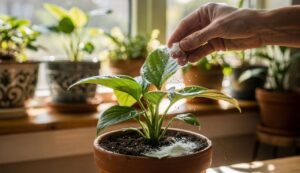
Seedlings require consistent moisture without waterlogging. Bottom watering—placing seed trays in shallow water until moisture wicks upward—prevents disturbance of tiny seeds and reduces damping-off risk. Once seedlings develop true leaves, careful top watering becomes acceptable. The growing medium should remain evenly moist but never saturated, with good drainage preventing root rot.
Light requirements and hardening off
Adequate light prevents leggy, weak seedlings. South-facing windowsills provide natural light, though supplemental grow lights often prove necessary during short winter days. Seedlings require twelve to sixteen hours of light daily for stocky, vigorous growth. Before transplanting outdoors, gradual acclimatisation through a hardening-off process—progressively increasing outdoor exposure over seven to ten days—prevents transplant shock.
With proper care established, attention turns to maximising germination rates for the most productive results.
Optimising germination for a successful harvest
Temperature control for reliable sprouting
Most seeds germinate best within specific temperature ranges. Heat-loving crops like tomatoes, peppers, and aubergines require soil temperatures between 21°C and 27°C for optimal germination. Cool-season crops including lettuce and brassicas prefer 10°C to 18°C. Heat mats placed under seed trays provide consistent bottom heat, often reducing germination time by half whilst improving success rates.
Seed viability and storage considerations
Fresh seeds generally germinate more reliably than older stock. Proper storage extends viability: seeds kept cool, dry, and dark maintain germination capacity for years. Testing older seeds before mass sowing prevents disappointment—placing ten seeds on moist kitchen paper reveals germination percentage within days. Seeds showing below 50% germination should be replaced or sown more thickly to compensate.
Strategic succession planting
Rather than sowing entire seed packets at once, succession planting involves smaller sowings every two to three weeks. This approach provides continuous harvests rather than overwhelming gluts, particularly valuable for quick-maturing crops like lettuce and radishes. Staggered plantings also spread workload and reduce waste from crops that mature simultaneously.
Starting seeds during these early weeks creates momentum that carries through the entire growing season. Whether cultivating herbs on indoor windowsills, preparing long-season vegetables for eventual transplanting, or direct-sowing hardy crops in protected outdoor spaces, immediate action yields tangible rewards. The combination of proper timing, appropriate seed selection, and attentive care transforms dormant seeds into thriving plants, ensuring gardens reach their full productive potential when warmer weather arrives.