



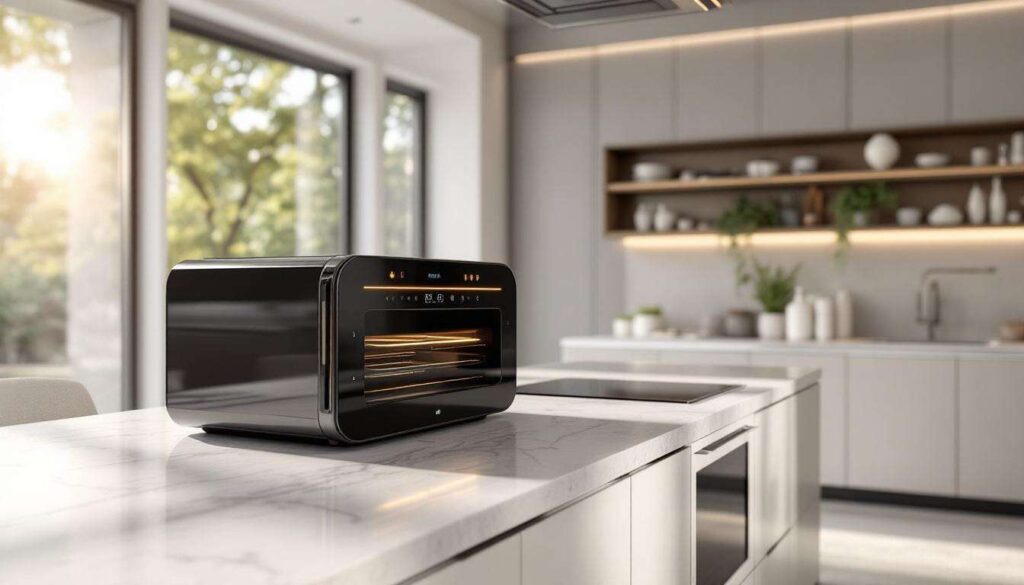
Kitchen technology continues to evolve at a remarkable pace, and the latest innovation making waves amongst culinary experts and home cooks alike is the rapid air fryer oven. This versatile appliance combines multiple cooking functions into one compact unit, offering capabilities that extend far beyond what traditional microwaves can achieve. With growing concerns about energy consumption and the quality of reheated food, manufacturers have developed a device that addresses both issues whilst delivering superior results. Industry specialists have conducted extensive testing and their findings suggest this technology could fundamentally change how we approach everyday cooking tasks.
What is this new kitchen device ?
The rapid air fryer oven explained
The rapid air fryer oven represents a significant advancement in kitchen technology, combining convection heating with high-speed air circulation to cook food quickly and evenly. Unlike conventional microwaves that use electromagnetic radiation to heat water molecules within food, this device employs superheated air that circulates at speeds up to 30 times faster than standard ovens. The result is food that retains moisture whilst developing the crispy textures typically associated with traditional cooking methods.
Key features and capabilities
Modern rapid air fryer ovens incorporate multiple cooking functions within a single appliance:
- Air frying with minimal or no oil required
- Convection baking for pastries and bread
- Grilling and roasting capabilities
- Dehydrating for healthy snacks
- Reheating without compromising texture
- Toast and bagel functions
Most models feature digital controls with pre-programmed settings for common foods, making them accessible even to inexperienced cooks. The transparent viewing windows allow users to monitor cooking progress without opening the door, which helps maintain consistent temperatures throughout the cooking process.
These technological capabilities naturally lead to questions about why consumers might consider replacing their existing microwave ovens.
Why abandon the microwave ?
Quality concerns with microwave cooking
Microwaves have long been criticised for producing soggy, unevenly heated food that lacks the appealing textures of conventionally cooked meals. The electromagnetic waves penetrate food inconsistently, creating hot spots whilst leaving other areas cold. This limitation becomes particularly apparent when reheating items like pizza, pastries, or fried foods, which emerge limp and unappetising.
Health and safety considerations
Whilst microwaves themselves are generally safe, concerns persist about nutrient degradation during the reheating process. Studies have shown that certain vitamins and antioxidants can be reduced through microwave cooking, though this occurs with most heating methods. Additionally, the use of plastic containers in microwaves raises questions about chemical leaching, particularly when heating fatty or acidic foods.
Space and functionality limitations
Traditional microwaves occupy valuable counter or cabinet space whilst offering limited functionality beyond reheating and defrosting. The rapid air fryer oven, by contrast, replaces multiple appliances including toasters, conventional ovens for small batches, and dedicated air fryers, making it a more practical choice for space-conscious households.
Beyond these practical concerns, the energy efficiency of this new technology presents compelling financial arguments.
Energy efficiency advantages
Comparative energy consumption
Testing conducted by independent energy consultants reveals significant differences in power usage:
| Appliance | Average Power Rating | Energy Cost per Use |
|---|---|---|
| Standard Microwave | 1,000-1,500W | £0.08-£0.12 |
| Rapid Air Fryer Oven | 1,200-1,800W | £0.06-£0.10 |
| Conventional Oven | 2,000-5,000W | £0.40-£0.85 |
Efficiency through faster cooking times
Rapid air fryer ovens achieve optimal cooking temperatures in approximately 3-5 minutes, compared to 10-15 minutes for conventional ovens. The concentrated heat and efficient air circulation mean cooking times are reduced by up to 30% compared to traditional methods. This shortened duration, combined with the smaller cooking chamber, results in less overall energy consumption despite the higher wattage.
Long-term cost savings
Households using rapid air fryer ovens for daily cooking tasks can expect annual savings of £50-£120 on energy bills compared to those relying primarily on conventional ovens. When factoring in the replacement of multiple single-function appliances, the financial benefits become even more pronounced over the device’s typical lifespan of 5-8 years.
These efficiency gains are made possible through sophisticated technological developments that distinguish this appliance from its predecessors.
Performance and technological innovations
Advanced heating elements
The latest models incorporate dual heating elements positioned above and below the cooking chamber, ensuring even heat distribution from multiple angles. Infrared technology supplements traditional heating coils in premium models, penetrating food more effectively whilst maintaining surface crispness.
Intelligent temperature control
Precision thermostats maintain temperatures within 5°C of target settings, preventing the overcooking and burning common with less sophisticated appliances. Some models feature automatic temperature adjustment based on food type and quantity, using sensors to detect moisture levels and modify cooking parameters accordingly.
User experience enhancements
Manufacturers have prioritised ease of use through features including:
- Smartphone connectivity for remote monitoring
- Recipe libraries with step-by-step guidance
- Voice control compatibility
- Automatic shut-off for safety
- Dishwasher-safe components for simple cleaning
Understanding how this technology compares to established kitchen appliances helps contextualise its potential impact.
Comparison with traditional appliances
Versatility assessment
The rapid air fryer oven outperforms microwaves in cooking versatility whilst offering greater convenience than conventional ovens for small to medium-sized meals. It cannot, however, completely replace full-sized ovens for large family gatherings or batch cooking. The typical 20-25 litre capacity accommodates meals for 2-4 people comfortably.
Food quality outcomes
Blind taste tests conducted by culinary experts consistently favour food prepared in rapid air fryer ovens over microwave-reheated equivalents. The superior texture and flavour retention result from the dry heat method, which promotes Maillard reactions that create appealing colours and tastes impossible to achieve in microwaves.
Practical considerations
Whilst rapid air fryer ovens excel in many areas, they require slightly longer cooking times than microwaves for simple reheating tasks. A cup of coffee takes 60-90 seconds in a microwave but would be impractical in an air fryer oven. The ideal approach for many households involves using the air fryer oven for primary cooking and reheating substantial meals whilst maintaining a microwave for beverages and quick tasks.
For those convinced by these advantages, availability and pricing become the next considerations.
When and where to buy it ?
Current market availability
Rapid air fryer ovens are widely available through major retailers including John Lewis, Currys, Argos, and Amazon UK. Leading brands such as Ninja, Sage, Tower, and Tefal offer models ranging from compact 10-litre units to spacious 30-litre versions suitable for larger households.
Pricing structure
Entry-level models begin at approximately £60-£80, offering basic air frying and toasting functions. Mid-range options priced between £120-£200 include additional cooking modes and digital controls. Premium models from specialist manufacturers command prices of £250-£400, featuring advanced connectivity and precision cooking capabilities.
Optimal purchasing timing
Retailers typically offer significant discounts during Black Friday, January sales, and spring promotions. However, given the energy savings potential, delaying purchase to wait for sales may prove counterproductive for households currently relying heavily on conventional ovens.
The rapid air fryer oven represents a genuine advancement in kitchen technology, addressing longstanding complaints about microwave cooking quality whilst delivering impressive energy efficiency. Its ability to consolidate multiple appliances into one versatile unit makes it particularly appealing for modern households seeking to optimise both space and running costs. Whilst it may not entirely eliminate the need for microwaves in every situation, the evidence from expert testing and user experiences suggests this technology offers a superior solution for the majority of everyday cooking tasks. As energy prices remain elevated and consumers become increasingly conscious of both efficiency and food quality, the shift away from traditional microwaves appears not just possible but increasingly inevitable.