



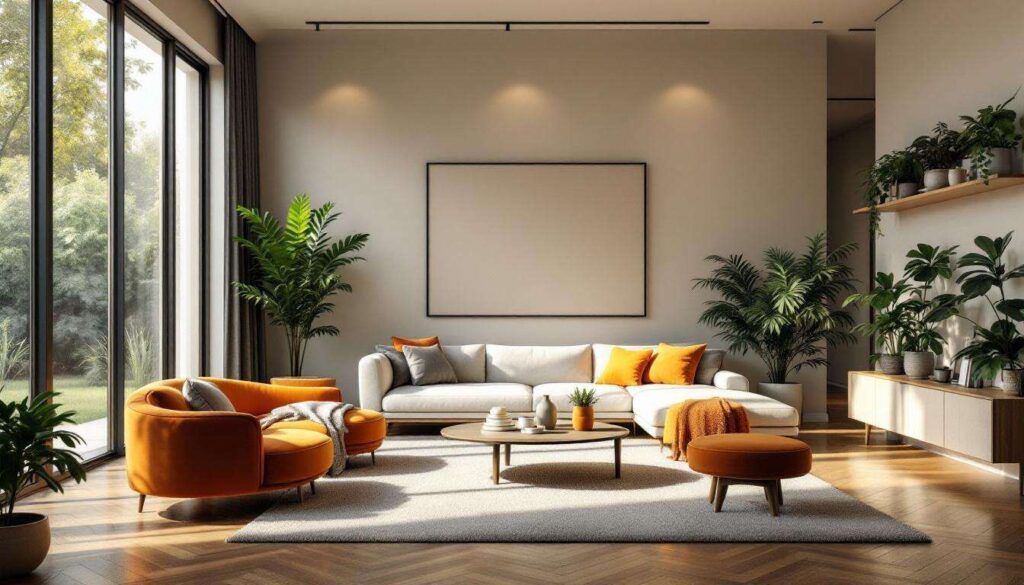
The living room has long been considered the heart of the home, where families gather, guests are entertained, and personal style takes centre stage. As design philosophies evolve, so too do the ways we choose to express ourselves through our interiors. The coming years promise a shift towards spaces that celebrate individuality, creativity, and a fearless approach to self-expression. Designers and homeowners alike are embracing bolder choices that reflect personality rather than following prescriptive rules. From striking colour palettes to innovative furniture solutions, the living room is set to become a canvas for personal storytelling and artistic experimentation.
Bold and Vibrant Colours
The era of safe neutrals dominating living spaces is giving way to a more adventurous colour philosophy. Homeowners are increasingly willing to experiment with saturated hues that make powerful statements and create memorable atmospheres.
Embracing Rich, Saturated Tones
Deep jewel tones such as emerald green, sapphire blue, and ruby red are becoming fixtures in contemporary living rooms. These colours bring warmth and sophistication whilst creating focal points that draw the eye. Terracotta and burnt orange shades offer earthiness combined with vibrancy, providing a bridge between natural aesthetics and bold expression. The key lies in balancing these intense colours with complementary neutrals or using them strategically on accent walls, upholstery, or large decorative pieces.
Colour Blocking and Contrasts
Designers are championing colour blocking techniques that pair unexpected combinations for dramatic effect. This approach involves:
- Combining warm and cool tones in equal measure
- Creating geometric patterns through painted walls or furniture arrangements
- Using contrasting colours on adjacent walls to define different zones
- Incorporating bold-coloured furniture against neutral backdrops
This fearless approach to colour creates living spaces that feel dynamic and energising, reflecting the personality of those who inhabit them. The movement towards vibrant palettes naturally leads to considerations about how different materials and surfaces interact within these colourful environments.
Mix of Textures
Layering various textures has emerged as a fundamental design principle, adding depth and tactile interest to living spaces that might otherwise feel flat or one-dimensional.
Combining Soft and Hard Elements
The juxtaposition of contrasting materials creates visual and physical interest. Velvet cushions against leather sofas, chunky knit throws draped over sleek metal chairs, and smooth marble surfaces paired with rough-hewn wood all contribute to a multi-sensory experience. This approach prevents spaces from feeling too polished or sterile, introducing warmth and humanity into modern interiors.
Natural and Synthetic Materials
Contemporary living rooms are showcasing an eclectic mix that includes:
- Woven rattan and cane alongside polished metals
- Stone surfaces complemented by plush textiles
- Glass elements balanced with organic fibres
- Concrete finishes softened by luxurious fabrics
This textural diversity not only enhances visual appeal but also encourages interaction with the space, making it feel more inviting and lived-in. As we consider how these varied surfaces work together, the furniture that anchors them becomes equally important.
Modular and Functional Furniture
The demand for versatile living solutions has driven innovation in furniture design, with modular pieces offering unprecedented flexibility for changing needs and preferences.
Adaptable Seating Arrangements
Modular sofas that can be reconfigured for different occasions represent a practical response to modern living. These systems allow homeowners to adjust their seating based on whether they’re hosting large gatherings or enjoying quiet evenings. Individual sections can be separated, combined, or rearranged, providing endless configuration possibilities without requiring new purchases.
Multi-Purpose Furniture Solutions
Space efficiency drives the popularity of furniture that serves multiple functions:
| Furniture Type | Primary Function | Secondary Function |
|---|---|---|
| Ottoman with storage | Seating | Hidden storage compartment |
| Nesting tables | Side tables | Expandable surface area |
| Sofa beds | Seating | Guest sleeping area |
| Wall-mounted desks | Workspace | Folds away when not needed |
This functional approach to furniture selection ensures that every piece earns its place through utility as well as aesthetics. The way we illuminate these carefully chosen furnishings can transform their impact entirely.
Artistic Lighting
Lighting has transcended its purely functional role to become a sculptural element that defines ambiance and serves as a focal point in its own right.
Statement Light Fixtures
Oversized pendant lights, geometric chandeliers, and artistic floor lamps are commanding attention in contemporary living rooms. These pieces function as three-dimensional art, drawing the eye upward and adding architectural interest. Materials range from hand-blown glass to twisted metals, with designs that blur the boundaries between lighting and sculpture.
Layered Lighting Schemes
Sophisticated lighting design incorporates multiple sources operating at different levels:
- Ambient lighting providing overall illumination
- Task lighting for specific activities like reading
- Accent lighting highlighting artwork or architectural features
- Decorative lighting serving as design elements
This layered approach allows for mood adjustment throughout the day and for different occasions, creating flexibility in how spaces feel and function. Just as lighting highlights physical features, wall treatments offer another canvas for personal expression.
Personalised Wall Art
Walls are increasingly viewed as opportunities for creative self-expression rather than neutral backdrops, with homeowners curating collections that reflect their interests and experiences.
Gallery Wall Arrangements
The carefully curated gallery wall remains popular but has evolved beyond traditional framed prints. Contemporary approaches include mixing media types, incorporating three-dimensional objects, and creating asymmetrical arrangements that feel organic rather than rigidly planned. These displays tell personal stories through collected pieces that hold meaning for the inhabitants.
Large-Scale Art Installations
Single oversized pieces create dramatic focal points that anchor entire rooms. Whether abstract paintings, photography, or textile art, these substantial works make bold statements about personal taste and artistic appreciation. The trend extends to wall murals and commissioned pieces that transform walls into immersive experiences. As technology advances, even these personal touches can integrate seamlessly with modern conveniences.
Integrated and Discreet Technology
The challenge of incorporating technology without compromising aesthetic integrity has led to increasingly sophisticated integration solutions that hide or disguise electronic devices.
Hidden Entertainment Systems
Televisions concealed within cabinetry, projectors hidden in ceiling recesses, and speakers integrated into walls or furniture maintain clean visual lines. Motorised systems allow screens to appear when needed and disappear when not in use, preventing technology from dominating the room’s design.
Smart Home Features
Voice-activated controls, automated blinds, and climate systems operate invisibly, enhancing comfort without cluttering spaces with visible controls. Charging stations built into furniture and wireless technology eliminate cable clutter, contributing to streamlined aesthetics. This seamless integration ensures that modern conveniences enhance rather than detract from carefully considered design schemes.
The living room trends emerging reflect a broader cultural shift towards spaces that prioritise individual expression over prescribed formulas. Bold colours, varied textures, flexible furniture, artistic lighting, personalised art, and discreetly integrated technology combine to create environments that feel both contemporary and deeply personal. These elements work together to transform living rooms into dynamic spaces that adapt to changing needs whilst celebrating the unique personalities of those who inhabit them. The emphasis on self-expression ensures that no two spaces will look identical, making each living room a true reflection of its owners.