
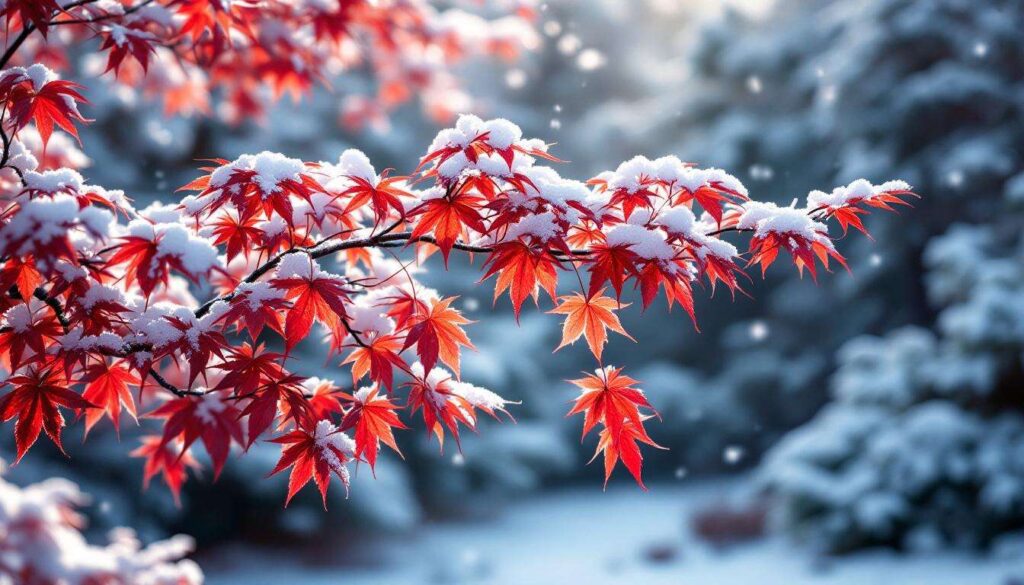
Japanese maples stand amongst the most cherished ornamental trees in British gardens, prized for their delicate foliage and stunning seasonal displays. Yet these elegant specimens face particular vulnerabilities during the colder months, when fungal pathogens and bacterial infections can establish themselves undetected. Whilst many gardeners focus their attention on spring and summer maintenance, winter presents a critical window for preventative care that often goes overlooked. One specific task performed during dormancy can dramatically reduce disease incidence and ensure vigorous growth when temperatures rise again.
Understanding common illnesses of the Japanese maple
Fungal infections threatening your tree
Japanese maples prove susceptible to several fungal diseases that compromise their health and aesthetic appeal. Verticillium wilt ranks amongst the most destructive, attacking the vascular system and causing branch dieback. This soil-borne pathogen enters through root wounds and spreads upwards, blocking water transport and leading to wilting foliage even when soil moisture remains adequate.
Tar spot and anthracnose represent additional fungal concerns, particularly following wet seasons. These pathogens create unsightly black lesions on leaves and can defoliate trees when infections become severe. The spores overwinter on fallen leaves and infected twigs, ready to reinfect new growth come spring.
Bacterial and physiological disorders
Beyond fungal threats, bacterial infections such as Pseudomonas syringae can cause cankers and dieback. This opportunistic pathogen exploits wounds and natural openings, thriving in cool, moist conditions typical of British winters.
| Disease | Primary symptom | Infection period |
|---|---|---|
| Verticillium wilt | Branch dieback | Spring through autumn |
| Anthracnose | Leaf spots and curling | Spring |
| Bacterial canker | Oozing lesions | Autumn and winter |
Recognising these threats provides the foundation for implementing protective measures before infections take hold.
Identifying signs of disease in winter
Visual inspection during dormancy
Winter dormancy offers an unobstructed view of your Japanese maple’s structure, making it the ideal time for thorough examination. Without foliage obscuring branches, you can identify problematic areas that require attention. Look for discoloured bark, sunken cankers, or areas where bark has split or peeled away from the wood beneath.
Dead or dying branches appear distinctly different from healthy dormant wood. Diseased tissue often shows darker discolouration, whilst healthy branches maintain a smooth, consistent bark texture. Fungal fruiting bodies may become visible on infected wood during damp winter weather.
Warning signs requiring immediate action
Several indicators demand prompt intervention:
- Branches with cracked or oozing bark
- Twigs that snap cleanly rather than bending
- Discoloured wood visible in cross-sections
- Presence of fungal growth or unusual growths
- Areas where bark appears sunken or damaged
Documenting these observations through photographs helps track disease progression and treatment effectiveness over subsequent seasons. Understanding what to look for naturally leads to preparing your garden space appropriately.
Preparing your garden for winter
Sanitation practices to reduce pathogen load
Comprehensive garden hygiene forms the cornerstone of disease prevention. Remove all fallen leaves from beneath your Japanese maple, as these harbour overwintering fungal spores and bacterial populations. Composting infected material risks spreading pathogens, so dispose of diseased debris through municipal green waste collection or burn it where regulations permit.
Clear away any mulch that has become compacted or waterlogged around the base of the tree. Whilst mulch provides beneficial insulation, excessive moisture retention creates ideal conditions for root rot pathogens and encourages pest activity.
Creating optimal growing conditions
Ensure adequate drainage around your Japanese maple by checking that water flows away from the root zone. Standing water during winter months stresses roots and facilitates infection by water-loving pathogens. Consider improving soil structure with organic matter if drainage proves inadequate.
Apply a fresh layer of well-composted mulch after cleaning the area, maintaining a gap of several centimetres from the trunk to prevent bark rot. This preparation sets the stage for the most crucial winter task.
Pruning techniques to prevent infections
Why winter pruning proves essential
Pruning during dormancy represents the overlooked winter task that can save your Japanese maple from disease. When performed correctly between December and February, strategic removal of infected and damaged wood eliminates pathogen reservoirs before spring growth commences. Dormant pruning minimises stress on the tree and reduces sap flow that might attract pests.
The absence of leaves allows precise cuts and better assessment of branch structure. More importantly, most fungal spores remain inactive during cold weather, reducing the risk of spreading infection through pruning wounds.
Proper pruning methodology
Execute pruning with sterilised tools to prevent cross-contamination. Follow these essential steps:
- Disinfect secateurs and saws with diluted bleach solution or methylated spirits between cuts
- Remove dead, diseased, or damaged wood first, cutting back to healthy tissue
- Make clean cuts just above outward-facing buds at slight angles
- Eliminate crossing branches that create wounds through friction
- Thin crowded areas to improve air circulation
- Never remove more than one-quarter of the canopy in a single season
Dispose of all pruned material immediately, keeping it away from healthy plants. Seal larger cuts with wound paint only if your tree shows susceptibility to bacterial canker. Proper pruning works in conjunction with appropriate watering practices.
The role of watering in the cold season
Balancing moisture needs during dormancy
Whilst Japanese maples require less water during winter dormancy, complete neglect proves detrimental. Evergreen root systems continue functioning throughout winter, requiring moisture to maintain cellular processes. Drought-stressed trees become more vulnerable to infection and may suffer dieback.
Monitor soil moisture levels during dry winter periods, particularly for container-grown specimens and trees planted near buildings where rainfall may not reach the root zone. Water sparingly when the top five centimetres of soil feel dry, preferably during milder days when temperatures remain above freezing.
Avoiding waterlogging and root diseases
Excessive winter watering creates anaerobic soil conditions that suffocate roots and promote pathogenic fungi such as Phytophthora. Ensure containers have adequate drainage holes and avoid watering if soil remains consistently damp. These careful watering practices complement other protective measures.
Effective protection against diseases
Preventative treatments and applications
Following winter pruning, consider applying copper-based fungicides to protect against bacterial and fungal infections. These treatments work most effectively when applied to dormant trees before bud break. Follow manufacturer instructions carefully, as excessive application can damage sensitive Japanese maple foliage.
For trees with history of verticillium wilt, avoid planting susceptible species nearby and maintain optimal growing conditions to support natural resistance mechanisms.
Long-term health strategies
Building disease resistance requires sustained effort:
- Feed with balanced fertiliser in early spring to support vigorous growth
- Maintain consistent moisture levels throughout the growing season
- Avoid mechanical damage to bark and roots
- Monitor regularly for early signs of disease
Japanese maples reward attentive care with decades of beauty. Winter pruning, combined with proper sanitation, appropriate watering, and vigilant monitoring, dramatically reduces disease incidence. By addressing these overlooked winter tasks, particularly the removal of infected wood during dormancy, gardeners provide their prized specimens with the best possible defence against common illnesses. The modest time invested during the coldest months yields substantial returns in tree health and longevity, ensuring your Japanese maple continues to grace your garden with its distinctive elegance for years to come.