

As the temperature drops and frost begins to settle, gardeners face a crucial decision about the fate of their container plants. Whilst some potted specimens can brave the elements, many require the shelter of indoor spaces to survive the harshest months. Understanding which plants need protection and how to transition them successfully can mean the difference between thriving greenery come spring and disappointing losses. Garden professionals emphasise that this seasonal shift demands careful consideration of each plant’s specific requirements, proper preparation techniques, and ongoing attention throughout the dormant period.
Understanding your potted plants’ needs
Assessing cold hardiness zones
Every plant species possesses a specific tolerance level for cold temperatures, determined by its native habitat and genetic makeup. The Royal Horticultural Society provides hardiness ratings that indicate the minimum temperatures a plant can withstand. Container-grown plants face additional vulnerability compared to their ground-planted counterparts, as pots offer less insulation for root systems. The soil in containers freezes more rapidly and completely than earth-bound roots, making even moderately hardy plants susceptible to damage.
Recognising the difference between dormancy and danger
Understanding the distinction between natural winter dormancy and potentially fatal cold exposure proves essential for proper plant care. Some plants naturally slow their growth and shed foliage as daylight diminishes, entering a restorative rest period that requires cooler temperatures. Others, particularly tropical and subtropical species, lack this evolutionary adaptation and interpret cold as a threat rather than a seasonal signal. Garden professionals recommend researching each plant’s origin to determine whether winter cold represents a natural cycle or a genuine hazard.
The root system’s vulnerability often exceeds that of above-ground foliage. When soil temperatures drop below freezing, ice crystals can rupture cell walls within roots, causing irreversible damage that may not become apparent until spring growth fails to materialise.
With this foundational knowledge established, attention must turn to identifying which specific plants require indoor protection.
Identifying plants sensitive to the cold
Tropical and subtropical specimens
Plants originating from warm climates demonstrate the greatest sensitivity to cold temperatures and should be prioritised for indoor relocation. These include:
- Citrus trees such as lemon, lime, and orange varieties
- Hibiscus and bougainvillea
- Jasmine and plumeria
- Begonias and impatiens
- Coleus and caladium
- Ferns native to tropical regions
Temperature thresholds to watch
Garden professionals recommend monitoring both daytime and night-time temperatures as autumn progresses. Most tender plants should move indoors when night-time temperatures consistently drop below 10°C. Some particularly sensitive species require protection when temperatures approach 13°C. Sudden cold snaps pose greater danger than gradual temperature declines, as plants lack time to acclimate.
| Plant Type | Minimum Safe Temperature | Action Required |
|---|---|---|
| Tropical plants | 13°C | Move indoors immediately |
| Subtropical plants | 7°C | Provide shelter or bring inside |
| Mediterranean herbs | 0°C | Monitor closely, protect if prolonged frost |
| Hardy perennials | -10°C | Can remain outdoors with pot protection |
Plants that benefit from staying outdoors
Not all potted plants require indoor accommodation. Many species actually require cold exposure to complete their life cycles successfully. Spring-flowering bulbs such as tulips, daffodils, and crocuses need a chilling period to develop properly. Hardy herbs like rosemary, thyme, and sage often perform better with outdoor winter exposure, provided their containers receive adequate protection from extreme freezing.
Once vulnerable plants have been identified, proper preparation becomes the next critical step.
Preparing your plants for indoors
Timing the transition
Garden professionals advise beginning the indoor transition before heating systems activate for the season. This timing allows plants to adjust gradually to lower light levels and drier air without the additional stress of sudden environmental changes. Ideally, start the process in early autumn when temperature differences between outdoors and indoors remain minimal.
Inspection and pest management
Thorough examination prevents introducing unwanted guests into your home. Inspect all plant surfaces carefully, paying particular attention to:
- The undersides of leaves where aphids and whiteflies congregate
- Stem joints where scale insects attach
- Soil surfaces for fungus gnats and their larvae
- Root systems for signs of rot or pest damage
Treat any discovered infestations with appropriate organic or chemical controls before bringing plants indoors. A quarantine period of one to two weeks in a garage or protected outdoor area allows time to confirm pest elimination.
Cleaning and pruning
Remove dead foliage, spent flowers, and damaged branches to reduce disease risk and improve air circulation. Gently wipe leaves with a damp cloth to remove dust and outdoor debris. This cleaning improves the plant’s ability to photosynthesise under reduced indoor light conditions. Prune overgrown specimens to manageable sizes, as indoor space often proves more limited than outdoor areas.
With plants properly prepared, selecting appropriate indoor locations becomes paramount.
Choosing the right indoor location
Light requirements and window orientation
Most potted plants moving indoors require maximum available light to compensate for shorter winter days. South-facing windows provide the brightest exposure in the Northern Hemisphere, whilst east and west orientations offer moderate light. North-facing windows typically provide insufficient illumination for most species. Consider supplementing natural light with grow lamps for light-hungry tropical plants.
Temperature and humidity considerations
Indoor environments present challenges distinct from outdoor growing conditions. Central heating creates warm, dry air that stresses many plant species. Position plants away from heating vents, radiators, and fireplaces to avoid rapid moisture loss and temperature fluctuations. Conversely, avoid cold draughts from windows and doors that can shock tender foliage.
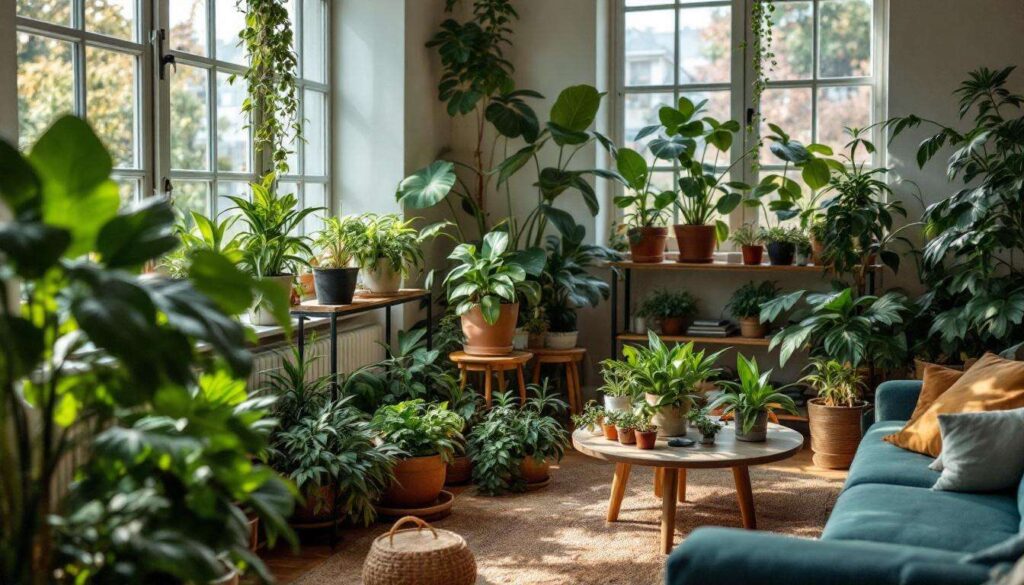
Grouping plants together creates a microclimate with increased humidity as they release moisture through transpiration. Alternatively, place containers on trays filled with pebbles and water, ensuring pots sit above the waterline to prevent root rot.
Space planning for multiple plants
Adequate air circulation between plants reduces fungal disease risk whilst allowing each specimen access to available light. Avoid overcrowding, which creates competition for resources and promotes pest problems. Rotate plants weekly to ensure all sides receive equal light exposure, preventing lopsided growth towards windows.
Once positioned correctly, plants require adjusted care routines suited to indoor winter conditions.
Adapting winter care for your plants
Modified watering schedules
Reduced light levels and cooler temperatures slow plant metabolism significantly, decreasing water requirements. Overwatering represents the primary cause of indoor plant death during winter months. Check soil moisture before watering by inserting a finger two centimetres below the surface. Water only when soil feels dry at this depth, using room-temperature water to avoid shocking roots.
Fertilisation adjustments
Most plants enter a semi-dormant state indoors during winter, requiring little to no supplemental nutrition. Suspend fertilisation from late autumn through early spring for the majority of species. Exceptions include actively growing tropical plants under grow lights and winter-blooming specimens such as Christmas cacti and cyclamen, which benefit from diluted monthly feeding.
Humidity management techniques
Combat dry indoor air through several methods:
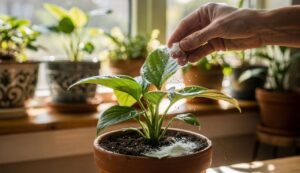
- Regular misting with room-temperature water
- Operating humidifiers near plant groupings
- Placing open water containers between plants
- Using pebble trays beneath containers
These practices prove particularly important for moisture-loving species such as ferns, orchids, and prayer plants that originate from humid environments.
Vigilant observation throughout winter ensures problems receive prompt attention.
Monitoring plant health during winter
Common winter problems and solutions
Indoor plants face distinct challenges requiring regular assessment. Yellowing leaves often indicate overwatering or insufficient light, whilst brown leaf tips suggest low humidity or salt accumulation from tap water. Leaf drop may result from temperature fluctuations, draughts, or the natural adjustment to reduced light. Address issues promptly by modifying environmental conditions rather than assuming plants require more water or fertiliser.
Pest vigilance indoors
Spider mites thrive in warm, dry indoor conditions, creating fine webbing between leaves and causing stippled discolouration. Increase humidity and spray affected plants with water to discourage these pests. Fungus gnats indicate overly moist soil and require reduced watering frequency. Isolate any plant showing pest activity to prevent spread throughout your indoor collection.
Preparing for spring transition
As daylight increases in late winter, gradually introduce plants to brighter conditions and resume light fertilisation. This preparation strengthens plants before their eventual return outdoors after the final frost date. The reverse transition requires similar care to prevent shock from sudden environmental changes.
Successfully overwintering potted plants demands attention to individual species requirements, proper preparation before the move indoors, strategic placement within the home, modified care routines, and ongoing monitoring. Garden professionals emphasise that whilst the process requires effort, the reward of healthy, thriving plants emerging in spring makes the investment worthwhile. By understanding each plant’s specific needs and responding to winter’s unique challenges, gardeners can maintain vibrant container collections year-round, ensuring their outdoor spaces burst back to life when warmer weather returns.