

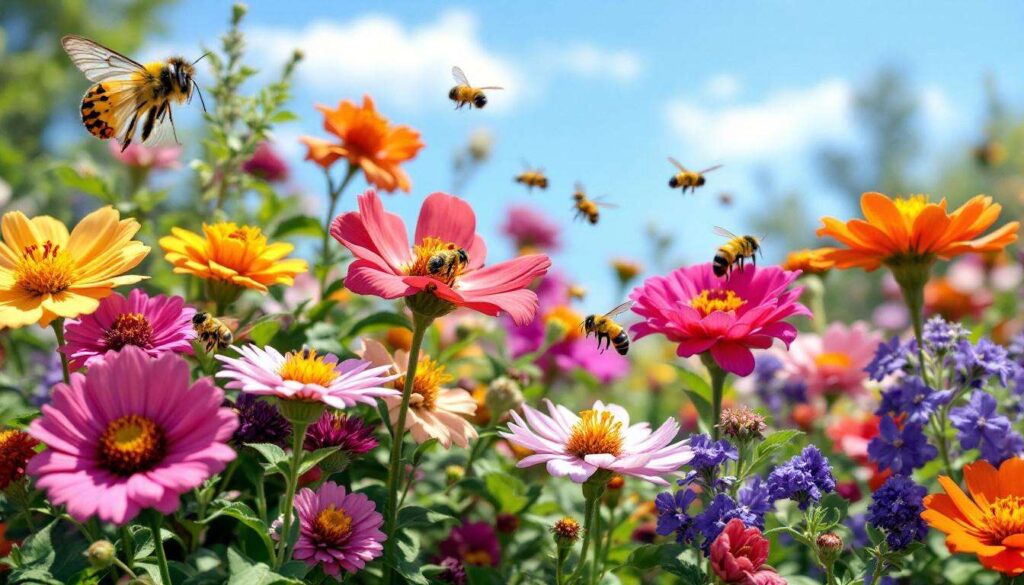
Pollinators face mounting challenges as natural habitats decline and climate patterns shift. Creating a garden that supports bees, butterflies, and other beneficial insects throughout the year has become increasingly vital for biodiversity. Whilst summer blooms typically steal the spotlight, establishing perennials during the colder months offers distinct advantages for both gardeners and the wildlife they aim to attract. Planting in January allows roots to establish before spring growth accelerates, resulting in stronger plants that will reward pollinators with abundant nectar and pollen when they emerge from dormancy.
Choosing the right perennials for January
Selecting appropriate perennials for January planting requires careful consideration of hardiness zones and soil conditions. The dormant season presents an ideal window for bare-root specimens, which establish more successfully when planted whilst inactive. Several perennials prove particularly suitable for winter planting, offering exceptional value to pollinators once flowering commences.
Hellebores: winter warriors for early pollinators
Hellebores, commonly known as Christmas roses or Lenten roses, rank amongst the earliest bloomers. These shade-tolerant perennials produce flowers from late winter through early spring, providing crucial sustenance for queen bumblebees emerging from hibernation. Their nodding blooms come in shades ranging from pure white to deep burgundy, and they thrive in partial shade with well-drained soil enriched with organic matter.
Pulmonaria: the spotted lungwort
Pulmonaria offers dual appeal with its distinctive spotted foliage and tubular flowers that change colour as they mature. Bees particularly favour these blooms, which appear from late winter onwards. Key characteristics include:
- Flowers transitioning from pink to blue, providing visual interest
- Tolerance for shaded conditions where few other perennials thrive
- Low maintenance requirements once established
- Ground cover properties that suppress weeds
Primroses: cottage garden classics
Native primroses deliver cheerful early colour whilst supporting solitary bees and early-flying butterflies. These perennials naturalise readily in suitable conditions, forming attractive clumps beneath deciduous trees. January planting ensures robust root systems develop before flowering begins in earnest.
Epimedium: the barrenwort
Though flowering slightly later than hellebores, epimedium establishes exceptionally well when planted during dormancy. Its delicate blooms attract various pollinator species, whilst the heart-shaped foliage provides season-long interest. This genus demonstrates remarkable drought tolerance once established.
Winter aconites
Eranthis hyemalis produces bright yellow, buttercup-like flowers that push through frozen ground. These diminutive perennials create golden carpets beneath deciduous shrubs, offering vital early nectar sources when little else blooms. Plant tubers during January for establishment before spring.
Snowdrops
Galanthus varieties provide essential forage for honeybees during mild winter spells. Planting “in the green” immediately after flowering proves most successful, but dormant bulbs planted in January also establish reliably. These perennials naturalise freely, forming increasingly impressive drifts over time.
Bergenia: elephant’s ears
Bergenia’s thick, leathery leaves provide architectural interest year-round, whilst its pink or white flower clusters emerge in late winter. These robust perennials tolerate exposed sites and poor soil, making them valuable for challenging locations. Bees visit the blooms enthusiastically during early spring.
Understanding which perennials best support pollinators naturally leads to considering the broader ecological advantages these plants provide.
The benefits of perennials for pollinators
Perennials offer sustained value that annual plantings cannot match. Their permanent presence creates reliable food sources that pollinators learn to depend upon, whilst their root systems improve soil structure and support beneficial microorganisms.
Consistent nectar and pollen sources
Unlike annuals requiring yearly replanting, perennials return reliably, often with increased vigour as clumps mature. This consistency allows pollinator populations to stabilise and grow, as insects can anticipate food availability. Established perennials typically produce more abundant blooms than newly planted specimens, maximising the resources available to visiting insects.
Extended foraging periods
Strategic perennial selection creates overlapping flowering sequences that bridge gaps in the pollinator calendar. The seven perennials mentioned bloom from late winter through mid-spring, providing continuous sustenance during a critical period. This extended availability proves particularly valuable for:
- Queen bumblebees establishing new colonies
- Solitary bees emerging from overwintering sites
- Early butterfly species such as brimstones and peacocks
- Honeybee colonies rebuilding populations after winter losses
Habitat creation beyond flowers
Perennial plantings develop complex structures that support pollinators throughout their lifecycles. Dense foliage provides shelter from predators and adverse weather, whilst hollow stems left standing over winter offer nesting sites for solitary bees. The following table illustrates additional habitat benefits:
| Perennial feature | Pollinator benefit | Species supported |
|---|---|---|
| Thick leaf litter | Overwintering protection | Bumblebee queens, butterflies |
| Seed heads | Food for birds that control pests | Goldfinches, sparrows |
| Dense ground cover | Humidity retention and shelter | Ground beetles, spiders |
| Varied plant heights | Diverse microclimates | Multiple insect groups |
Maximising these benefits depends significantly on selecting species with strong local connections.
Native plants: an essential asset
Whilst all seven recommended perennials support pollinators, native species offer unparalleled ecological value. Co-evolution between native plants and local pollinator populations has created finely tuned relationships that exotic species rarely replicate.
Why native perennials matter
Native plants provide optimal nutrition because local pollinators have adapted to extract and digest their specific nectar and pollen compositions. Primroses, snowdrops, and hellebores all occur naturally across Britain, making them particularly valuable. These plants also support specialist pollinators that cannot utilise introduced species, helping preserve biodiversity.
Regional considerations
Even within Britain, regional variations influence which perennials prove most beneficial. Gardeners should prioritise species naturally occurring in their area, as these will:
- Require less maintenance and supplemental watering
- Resist local pests and diseases more effectively
- Support the fullest range of native pollinator species
- Integrate seamlessly with existing ecosystems
Balancing native and cultivated varieties
Whilst straight species generally offer maximum pollinator value, some cultivated varieties also provide excellent resources. Single-flowered forms prove superior to doubles, which often produce little nectar and present access difficulties for insects. When selecting cultivars, verify that they retain fertile stamens and accessible flower structures.
Successful establishment of these perennials requires appropriate winter care practices.
Caring for perennials in winter
January planting demands specific techniques to ensure successful establishment. Cold, wet conditions present challenges, but proper preparation and aftercare overcome these obstacles.
Soil preparation essentials
Before planting, improve soil structure by incorporating well-rotted organic matter. This enhances drainage whilst providing slow-release nutrients. Avoid fresh manure, which can burn tender roots. Ensure planting holes provide adequate depth and width for root spread without cramping.
Planting technique
Position perennials at the same depth they occupied in containers, with crown level with the surrounding soil surface. Firm soil gently around roots to eliminate air pockets, then water thoroughly even during wet weather to settle plants. Apply a protective mulch layer after planting to:
- Insulate roots from severe frost
- Suppress weed germination
- Retain soil moisture during dry spells
- Gradually improve soil structure as it decomposes
Protection from winter extremes
Newly planted perennials benefit from temporary protection during severe weather. Horticultural fleece draped over vulnerable specimens prevents desiccation from freezing winds without excluding light. Remove coverings during mild periods to prevent moisture accumulation and fungal issues.
Monitoring and maintenance
Check plants regularly for frost heave, which exposes roots to damaging cold. Gently firm any lifted plants back into position. Avoid walking on frozen soil near plantings, as this compacts the ground and damages soil structure. These foundational care practices set the stage for vigorous spring growth and abundant flowering.
Ensuring optimal flowering to attract pollinators
Maximising floral displays requires ongoing attention beyond initial planting. Strategic interventions enhance both bloom quantity and quality, directly benefiting pollinator populations.
Feeding strategies
Apply balanced, slow-release fertiliser in early spring as growth resumes. Excessive nitrogen promotes lush foliage at the expense of flowers, so choose formulations with moderate nitrogen levels. Organic options such as blood, fish, and bone provide gentle nutrition whilst improving soil biology.
Deadheading and division
Remove spent blooms from repeat-flowering perennials to encourage additional flushes. However, leave some seed heads for wildlife value. Divide congested clumps every three to five years to maintain vigour. This practice also generates additional plants for expanding pollinator-friendly plantings.
Companion planting
Combine early-flowering perennials with later-blooming species to create continuous pollinator resources. Thoughtful arrangements also enhance visual appeal whilst supporting diverse insect communities. Consider these complementary pairings:
- Hellebores with hardy geraniums for spring-to-summer coverage
- Pulmonaria beneath deciduous shrubs that flower later
- Primroses alongside emerging hostas and ferns
- Snowdrops followed by alliums and salvias
These combinations ensure pollinators find abundant forage throughout the growing season, supporting healthy populations that benefit entire garden ecosystems.
Establishing perennials during January positions gardens to support crucial early-season pollinators whilst creating displays that mature into increasingly valuable resources. These seven species offer proven performance, combining reliable flowering with minimal maintenance requirements. Their collective blooms bridge the late winter gap when few other plants provide sustenance, making them indispensable components of wildlife-friendly gardens. By prioritising native species, implementing proper planting techniques, and maintaining plants thoughtfully, gardeners create lasting habitats that sustain pollinator populations facing unprecedented environmental pressures. The investment of time and effort during the dormant season yields dividends that extend far beyond aesthetic considerations, contributing meaningfully to biodiversity conservation at the local level.