
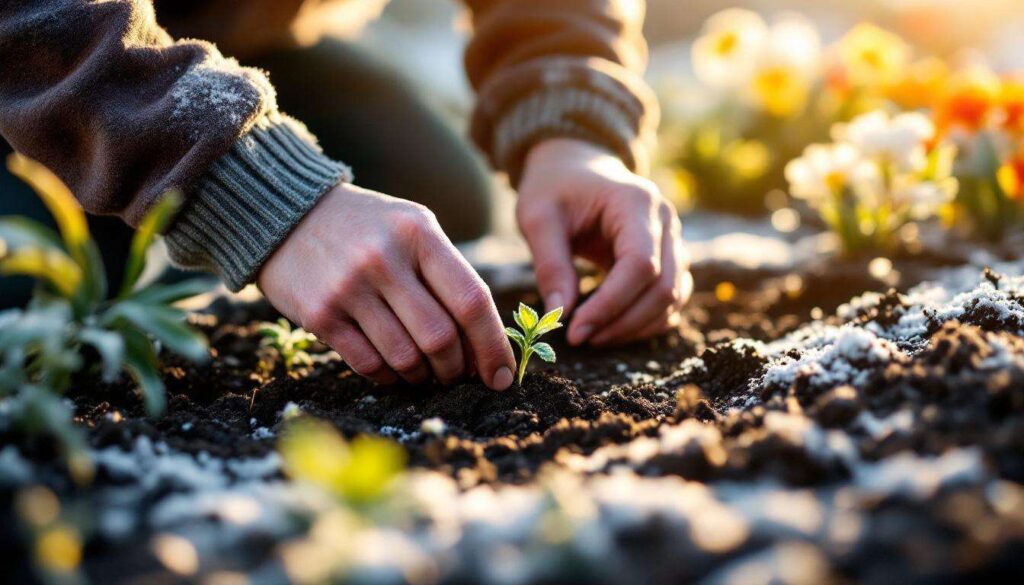
Winter months often leave gardeners yearning for the vibrant colours and fragrant blooms that define warmer seasons. Yet the dormant period offers a valuable opportunity to get ahead with strategic planning and early sowing. By starting certain flowers indoors during the coldest month, gardeners can establish robust seedlings ready to flourish when temperatures rise. This approach transforms January from a period of inactivity into a productive phase that sets the foundation for exceptional displays throughout spring and summer.
Choosing the right flowers to sow in January
Selecting appropriate varieties for January sowing requires understanding which species benefit from an early start whilst tolerating the challenges of indoor germination. Hardy annuals and half-hardy perennials typically respond well to this timing, developing strong root systems before outdoor transplantation.
Seven outstanding varieties for January sowing
The following flowers demonstrate exceptional performance when started in January:
- Sweet peas produce vigorous plants with extended flowering periods when given an early start
- Snapdragons develop sturdy stems and abundant blooms with sufficient growing time before summer heat
- Petunias require lengthy germination periods, making January sowing essential for summer displays
- Begonias benefit from early cultivation to establish their fibrous root systems
- Geraniums grown from seed need several months to reach flowering maturity
- Lobelia develops delicate seedlings that require careful nurturing over extended periods
- Salvia establishes robust plants when given ample time before outdoor conditions permit transplanting
Matching varieties to growing conditions
Consider the specific requirements of each variety before committing to January sowing. Some flowers demand consistent warmth for germination, whilst others tolerate cooler conditions. Assess available indoor space, lighting capabilities, and heating options to ensure selected varieties receive appropriate care throughout their development.
Understanding these fundamental requirements naturally leads to recognising why timing matters so significantly for gardening success.
The benefits of early sowing
Initiating the growing season whilst frost still blankets the ground delivers numerous advantages that extend well beyond simply advancing bloom times. Strategic early sowing fundamentally transforms the quality and abundance of eventual displays.
Extended growing periods
Plants started in January gain precious weeks of development before outdoor planting becomes feasible. This additional time allows seedlings to establish extensive root networks and sturdy stem structures that support prolific flowering. The resulting plants demonstrate superior resilience when facing summer stresses such as heat and drought.
Economic and practical advantages
| Aspect | Early Sowing | Later Sowing |
|---|---|---|
| Cost per plant | £0.10-£0.30 | £2.50-£5.00 for nursery plants |
| Variety selection | Extensive choice from seed catalogues | Limited to available stock |
| Flowering period | Early summer through autumn | Mid-summer onwards |
| Plant vigour | Robust, well-established | Variable, transplant stress |
Beyond financial savings, early sowing provides greater control over growing conditions, allowing gardeners to cultivate specific cultivars unavailable as established plants. This autonomy enables creation of unique colour schemes and planting combinations that distinguish personal gardens from standardised displays.
Achieving these benefits depends entirely upon proper preparation of growing media and containers.
How to prepare the soil and containers
Success with January sowing hinges on meticulous preparation of growing environments. Quality materials and careful attention to cleanliness prevent common pitfalls that derail seedling development.
Selecting appropriate containers
Choose containers with adequate drainage holes to prevent waterlogging, which proves fatal to emerging seedlings. Seed trays, modular cell trays, and small pots all serve effectively, with selection depending on the specific requirements of chosen varieties. Larger seeds benefit from individual modules, whilst fine seeds perform well in shared trays before pricking out.
Preparing sterile growing medium
Use purpose-formulated seed compost rather than general-purpose alternatives. Seed compost contains finer particles, fewer nutrients, and better drainage characteristics suited to delicate seedlings. The reduced nutrient content prevents scorching tender roots whilst encouraging robust development as plants search for sustenance.
- Fill containers to within 1cm of the rim to allow space for watering
- Firm the compost gently to eliminate air pockets without compacting excessively
- Water thoroughly before sowing to ensure even moisture distribution
- Allow excess water to drain completely before introducing seeds
These foundational preparations create optimal conditions for applying effective sowing techniques.
Sowing techniques to maximise germination
Proper sowing methodology significantly influences germination rates and seedling quality. Attention to detail during this critical phase determines whether efforts yield abundant healthy plants or disappointing results.
Handling different seed sizes
Large seeds such as sweet peas permit individual placement at appropriate depths, typically twice the seed’s diameter. Cover with compost and firm gently. Fine seeds like begonias and lobelia require surface sowing, as they need light for germination. Scatter thinly across moist compost and avoid covering.
Creating ideal germination conditions
After sowing, cover containers with clear propagator lids or plastic film to maintain humidity whilst allowing light penetration. This creates a microclimate that encourages rapid, uniform germination. Label each container clearly with variety name and sowing date to track progress accurately.
Maintaining these carefully established conditions requires ongoing management of environmental factors.
Managing light and temperature
Environmental control proves crucial for seedling success, particularly during winter months when natural conditions fall short of plant requirements. Strategic intervention compensates for seasonal limitations.
Temperature requirements
Most seeds germinate optimally between 15-21°C, though specific requirements vary by species. Position containers in consistently warm locations such as heated propagators, atop refrigerators, or near radiators. Monitor temperatures regularly, as excessive heat proves equally detrimental as cold.
Providing adequate illumination
Once germination occurs, seedlings require abundant light to prevent etiolation. South-facing windowsills provide maximum natural light, though supplementary grow lights become necessary for robust development during short January days. Position lights 10-15cm above seedlings and maintain 14-16 hour daily photoperiods.
- Rotate containers regularly to promote even growth and prevent leaning
- Reduce temperatures slightly after germination to encourage sturdy, compact growth
- Maintain consistent conditions rather than allowing fluctuations that stress developing plants
These environmental considerations naturally extend into the ongoing care required as seedlings mature.
Caring for seedlings until transplantation
The period between germination and outdoor planting demands consistent attention to watering, feeding, and developmental milestones. Diligent care during these weeks determines ultimate success.
Watering practices
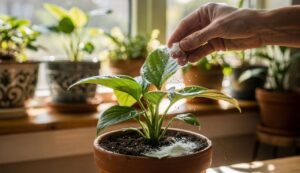
Keep compost consistently moist but never waterlogged. Water from below when possible, allowing capillary action to draw moisture upwards without disturbing delicate seedlings. If top watering becomes necessary, use a fine rose to prevent displacement of plants or compost.
Feeding and pricking out
Once seedlings develop true leaves, begin feeding with diluted liquid fertiliser at quarter strength. When large enough to handle, prick out into individual containers filled with potting compost. Handle seedlings by their leaves rather than stems to avoid damage.
Hardening off before transplanting
Gradually acclimatise plants to outdoor conditions over 10-14 days before final transplantation. Begin by placing containers outside during mild days, initially for just a few hours, progressively extending exposure. This process prevents shock and ensures seamless establishment in garden positions.
January sowing transforms the gardening calendar, enabling ambitious displays that reward early effort with months of spectacular colour. The combination of careful variety selection, meticulous preparation, and attentive ongoing care creates vigorous plants that outperform those acquired as expensive nursery stock. By mastering these techniques, gardeners unlock the potential for truly exceptional spring and summer gardens that reflect personal vision and horticultural skill.