


Getting a head start on summer blooms requires planning and patience, but the rewards are spectacular. Sowing flower seeds during the depths of winter might seem counterintuitive, yet this early preparation sets the stage for gardens bursting with colour from early summer onwards. Many popular flowering plants benefit enormously from an extended growing period indoors before the last frosts have passed. By dedicating time to seed sowing when temperatures are still low outside, gardeners can enjoy weeks of additional flowering time and healthier, more robust plants that establish quickly once transplanted outdoors.
Choosing the right seeds
Understanding seed requirements
Not all flower seeds benefit from early sowing, making selection crucial for success. The best candidates for starting indoors are those requiring long growing seasons to reach maturity and produce abundant blooms. Seeds that germinate slowly or need specific temperature conditions to sprout perform particularly well when started under controlled indoor environments.
Consider these factors when selecting seeds:
- Germination time required before flowering begins
- Temperature preferences for seed germination
- Growth rate and days to maturity
- Hardiness level and frost tolerance
- Space requirements both indoors and in the final planting location
Top ten flowers to start in January
These varieties consistently deliver outstanding summer displays when given an early start:
| Flower | Germination time | First blooms |
|---|---|---|
| Begonias | 14-21 days | 16-20 weeks |
| Geraniums | 7-14 days | 13-15 weeks |
| Petunias | 10-14 days | 10-12 weeks |
| Snapdragons | 10-21 days | 12-14 weeks |
| Lobelia | 14-21 days | 10-12 weeks |
Additional excellent choices include salvias, which produce spectacular spikes of colour, verbena for cascading displays, nicotiana for evening fragrance, dianthus for cottage garden charm, and impatiens for shaded areas. Each offers unique characteristics that contribute to diverse and visually appealing summer gardens. Understanding the specific needs of each variety ensures better preparation and ultimately more successful results.
Why start in January ?
Extending the growing season
Starting seeds in the first month of the year provides a significant advantage over direct sowing outdoors later. Many summer-flowering annuals require twelve to sixteen weeks from germination to first bloom. By beginning indoors, plants develop strong root systems and substantial foliage before facing outdoor conditions, resulting in earlier flowering and longer display periods.
The protected environment allows seedlings to grow steadily regardless of outdoor weather fluctuations. This controlled start means plants reach transplanting size precisely when outdoor conditions become suitable, eliminating the need to wait for soil temperatures to rise sufficiently for direct sowing.
Maximising plant strength
Indoor-started plants develop more robust structures compared to those sown directly outdoors. The controlled conditions enable consistent growth without setbacks from cold snaps, excessive rainfall, or pest pressure. Stronger plants transplant more successfully and establish faster, quickly catching up in size and surpassing direct-sown competitors.
Early sowing also allows for selection of the strongest seedlings, ensuring only the most vigorous plants occupy valuable garden space. This quality control improves overall garden performance and reduces disappointing gaps in displays. With proper timing established, attention turns to selecting varieties that deliver the most impressive summer shows.
Unmissable summer flowers
Bold and colourful choices
Begonias reign supreme for continuous flowering from early summer through autumn frosts. Both fibrous and tuberous types benefit from early starts, producing masses of flowers in shades ranging from pure white through pinks, reds, and oranges. Their versatility suits containers, borders, and bedding schemes equally well.
Geraniums (pelargoniums) offer unmatched reliability and colour intensity. These Mediterranean natives thrive in sunny positions and tolerate dry conditions once established. Seed-grown varieties provide excellent value compared to purchasing plants, with hundreds of seedlings possible from a single packet.
Delicate and fragrant options
Petunias deliver abundant trumpet-shaped blooms in virtually every colour imaginable. Modern varieties resist weather damage better than older types whilst maintaining the characteristic profuse flowering habit. Their trailing growth suits hanging baskets and containers particularly well.
For vertical interest, snapdragons produce elegant spikes packed with individual florets. Available in dwarf, intermediate, and tall varieties, they suit various garden situations and provide excellent cut flowers. Their cool-season tolerance means flowering often begins earlier than many other summer annuals.
Understanding which varieties deliver the best results naturally leads to considering the practical aspects of getting seeds started successfully.
Tips for successful sowing
Essential equipment and materials
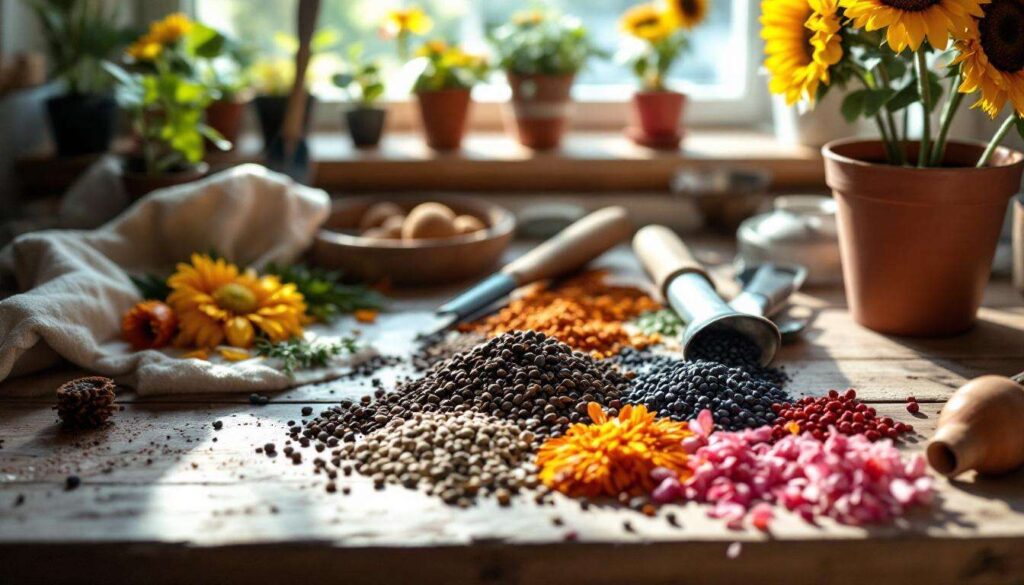
Proper preparation significantly improves germination rates and seedling health. Essential items include:
- Seed trays or modules with drainage holes
- Quality seed compost with fine texture
- Propagator or clear plastic covers to maintain humidity
- Adequate light source, preferably supplemental grow lights
- Labels and waterproof marker
- Spray bottle for gentle watering
Sowing technique
Fill containers with moistened seed compost, firming gently to eliminate large air pockets whilst maintaining good drainage. Very fine seeds like begonias and lobelia require surface sowing without covering, as they need light to germinate. Larger seeds benefit from light covering with vermiculite or sieved compost.
Water carefully using a fine spray to avoid displacing seeds. Cover with propagator lids or clear plastic to maintain consistent humidity levels. Position in a warm location, typically between 18-21°C for most varieties. Check daily for germination and remove covers once seedlings emerge to prevent damping off disease.
Managing light and temperature
Insufficient light causes leggy, weak seedlings that struggle after transplanting. Position seed trays in the brightest available location, ideally supplemented with grow lights providing fourteen to sixteen hours of illumination daily. Maintain appropriate temperatures for each species, adjusting as seedlings develop.
Once germination occurs, successful cultivation depends on consistent care throughout the development period.
Maintenance until blooming
Watering and feeding
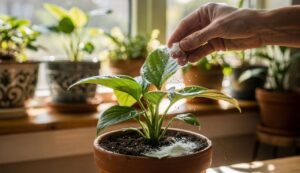
Young seedlings require careful moisture management. Keep compost consistently moist but never waterlogged, as excessive moisture encourages fungal diseases. Water from below when possible, allowing capillary action to draw moisture upwards, or use a fine spray that doesn’t disturb delicate roots.
Begin feeding approximately three weeks after germination using diluted liquid fertiliser at quarter strength. Gradually increase concentration as plants grow, eventually reaching half strength applied weekly. This gentle approach prevents nutrient burn whilst supporting steady growth.
Pricking out and potting on
When seedlings develop their first true leaves, transplant into individual containers. Handle only by leaves, never stems, using a dibber or pencil to lift roots carefully. Plant at the same depth in fresh compost, firming gently around roots. Water thoroughly and keep shaded for twenty-four hours to reduce transplant shock.
As plants grow, pot into progressively larger containers to prevent root binding. This encourages robust root development and stocky growth rather than tall, weak stems.
Hardening off
Before final planting outdoors, gradually acclimatise plants to external conditions over ten to fourteen days. Begin by placing outside during mild days, returning indoors overnight. Progressively increase exposure time and reduce protection until plants remain outdoors permanently. This essential process prevents shock and ensures successful establishment.
With plants ready for their permanent positions, focus shifts to maintaining displays throughout the season.
Maximising bloom duration
Deadheading and pruning
Regular removal of spent flowers prevents seed formation, redirecting energy into producing additional blooms. Deadhead at least weekly, more frequently during peak flowering. For plants with numerous small flowers, shearing back by one-third stimulates fresh growth and renewed flowering.
Pinching out growing tips on young plants encourages branching, resulting in bushier specimens with more flowering points. This technique works particularly well with petunias, snapdragons, and salvias.
Continued feeding and watering
Flowering plants demand considerable nutrients and consistent moisture. Apply liquid fertiliser fortnightly using a high-potassium formula that promotes blooming rather than excessive foliage. Container-grown specimens require more frequent feeding than those in open ground.
Water deeply rather than frequently, encouraging deep root growth that improves drought tolerance. Morning watering reduces disease risk by allowing foliage to dry before nightfall.
Managing pests and diseases
Monitor regularly for common problems including aphids, slugs, and powdery mildew. Early intervention prevents minor issues becoming serious infestations. Remove affected foliage promptly and maintain good air circulation to discourage fungal diseases. Encourage beneficial insects by including nectar-rich flowers that attract predatory species.
Starting flower seeds during the coldest month requires commitment but delivers exceptional results that justify the effort. The ten varieties highlighted provide reliable performance across various garden situations, offering colours, forms, and fragrances that transform outdoor spaces. Success depends on proper seed selection, appropriate sowing techniques, consistent care during development, and ongoing maintenance once plants reach maturity. By following these guidelines, gardeners create spectacular summer displays that begin flowering weeks earlier than conventionally sown alternatives, extending enjoyment throughout the warmest months and providing continuous colour until autumn frosts finally end the show.