



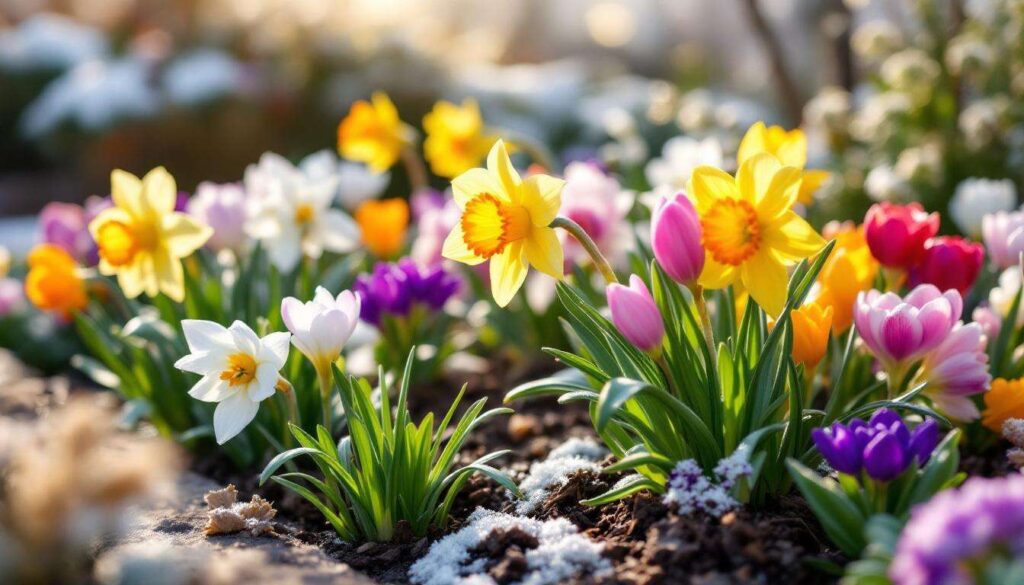
January might seem an unlikely month for gardening, but savvy gardeners know it’s the perfect time to get ahead of the growing season. Whilst most plants lie dormant beneath frozen ground, several hardy flowers thrive when planted during these chilly weeks. By choosing the right varieties and giving them a head start now, you’ll be rewarded with vibrant blooms as soon as the weather warms. These five easy-to-grow flowers offer resilience against winter conditions and require minimal fuss, making them ideal for both novice and experienced gardeners looking to inject early colour into their outdoor spaces.
Planting pansies to brighten your flower beds
Pansies stand out as one of the most reliable winter-hardy flowers available to British gardeners. Their cheerful faces and remarkable cold tolerance make them exceptional candidates for January planting, capable of withstanding temperatures as low as -10°C without significant damage.
Selecting the right pansy varieties
When choosing pansies for January planting, opt for winter-flowering varieties specifically bred for cold tolerance. These cultivars have been developed to continue blooming throughout the coldest months, unlike their spring-flowering cousins which prefer warmer conditions.
- Universal Series: proven performers in freezing conditions
- Matrix Series: excellent for containers and borders
- Frizzle Sizzle: distinctive ruffled petals for visual interest
- Clear Crystal Series: pure colours without blotches
Planting technique for winter success
Prepare your soil by incorporating well-rotted compost to improve drainage, as waterlogged roots present the greatest threat to winter pansies. Space plants approximately 15-20 cm apart to allow adequate air circulation, which helps prevent fungal diseases during damp winter months. Position them in areas receiving at least four hours of winter sunlight daily for optimal flowering.
Beyond pansies, another traditional cottage garden favourite offers equally impressive winter performance.
Primroses: a splash of colour in the garden
Primroses bring nostalgic charm to January gardens with their delicate blooms appearing even during mild spells in winter. These perennial favourites establish themselves readily when planted during dormancy, developing strong root systems before spring growth accelerates.
Understanding primrose requirements
Unlike many flowering plants, primroses actually prefer partial shade, making them invaluable for brightening those tricky spots beneath deciduous trees or along north-facing walls. They thrive in moisture-retentive soil rich in organic matter, though adequate drainage remains essential.
| Growing condition | Requirement |
|---|---|
| Light exposure | Partial shade to dappled sunlight |
| Soil pH | Slightly acidic (6.0-6.5) |
| Moisture level | Consistently moist but not waterlogged |
| Spacing | 20-25 cm between plants |
Establishing primroses in winter
January planting allows primroses to settle in whilst temperatures remain cool, reducing transplant shock. Water thoroughly after planting and apply a light mulch of leaf mould around plants to conserve moisture and suppress weeds. Avoid heavy mulching directly over crowns, as this can encourage rot during wet periods.
For those seeking fragrance alongside visual appeal, the next option delivers both qualities in abundance.
Fall for the fragrant violets
Sweet violets offer delightful perfume combined with dainty blooms that appear from late winter onwards. These woodland natives adapt beautifully to garden conditions and spread gradually to form attractive ground cover beneath shrubs and in shaded borders.
Choosing violet varieties for January planting
Several violet species suit winter planting, each bringing distinct characteristics to your garden design. Viola odorata, the classic sweet violet, produces intensely fragrant purple or white flowers, whilst Viola cornuta, the horned violet, offers more profuse blooming over an extended season.
Creating ideal conditions for violets
Position violets where they’ll receive morning sun but afternoon shade, protecting delicate petals from harsh midday light. Enrich planting areas with generous quantities of leaf mould or well-composted bark to replicate their natural woodland habitat. These amendments improve soil structure whilst providing the slightly acidic conditions violets prefer.
- Ensure consistent moisture without waterlogging
- Plant in groups of five or more for visual impact
- Allow space for natural spreading through runners
- Combine with spring bulbs for layered interest
Whilst violets offer subtle charm, the following flowers provide altogether more dramatic displays.
Anemones: spectacular early bloomers
Anemones deliver jewel-bright colours with remarkable intensity, creating focal points in spring borders when most perennials are just emerging. January planting of anemone corms gives them essential cold exposure whilst establishing roots before active growth begins.
Selecting anemone types for winter planting
De Caen and St Brigid anemones represent the most popular choices for January planting, producing large poppy-like flowers in vibrant shades of red, blue, purple, pink and white. These varieties require a period of cold dormancy to bloom successfully, making winter planting not just possible but preferable.
Planting technique for anemone corms
Soak dried corms in lukewarm water for two to four hours before planting to rehydrate them and encourage quicker sprouting. Plant corms 5 cm deep and 10 cm apart in well-drained soil enriched with grit if your garden tends towards heavy clay. The pointed end should face downwards, though anemones will grow regardless of orientation if you’re uncertain.
For gardeners wanting continuous colour carpeting larger areas, the final recommendation excels at this particular role.
Aubrieta: the ideal ground cover for spring
Aubrieta transforms walls, rockeries and border edges into cascading waterfalls of colour from early spring onwards. This evergreen perennial establishes quickly from winter planting, developing extensive root systems that anchor plants firmly whilst producing masses of small flowers in purple, pink, red or white.
Positioning aubrieta for maximum impact
This Mediterranean native demands excellent drainage and full sun exposure to perform at its best. It thrives in poor to moderately fertile soil, actually producing more flowers when not overfed with rich compost or fertiliser. Consider planting aubrieta where it can spill over retaining walls or between paving stones, where its trailing habit creates wonderful textural effects.
Establishing plants in winter
Space young plants 30 cm apart to allow for their spreading nature, which can extend 60 cm or more once established. Water sparingly after planting, as aubrieta tolerates drought far better than excessive moisture. Trim plants lightly after flowering finishes to maintain compact growth and encourage bushier development for subsequent years.
January offers one final planting opportunity for a flower steeped in sentimental symbolism.
Forget-me-nots: friendship blooms in winter
Forget-me-nots bring clouds of delicate blue flowers that weave between other plants, creating a soft haze throughout spring borders. These biennials seed themselves freely once established, returning year after year with minimal intervention required from gardeners.
Understanding the forget-me-not lifecycle
When planted in January, forget-me-nots develop strong root systems and foliage rosettes before flowering commences in spring. This biennial growth pattern means plants focus on vegetative growth during their first season, then flower prolifically in their second year before setting seed and completing their lifecycle.
Incorporating forget-me-nots into planting schemes
These versatile flowers complement spring bulbs beautifully, their blue haze providing perfect contrast to yellow daffodils or tulips in warmer shades. Plant them liberally throughout borders where they’ll fill gaps between perennials, or use them to underplant roses and shrubs.
- Sow seeds directly where you want plants to grow
- Thin seedlings to 15 cm spacing once established
- Allow some plants to self-seed for naturalised effects
- Remove unwanted seedlings before they become established
Taking advantage of January’s planting opportunities sets your garden up for spectacular spring displays with minimal effort. These five flowers share exceptional cold tolerance and straightforward cultivation requirements, making them accessible choices regardless of gardening experience. By investing a few hours now preparing soil and positioning plants, you’ll enjoy weeks of vibrant colour when winter finally releases its grip. Each variety brings distinct characteristics to garden designs, from pansies’ cheerful faces to aubrieta’s cascading habit, allowing you to create diverse combinations suited to your specific conditions and aesthetic preferences.