

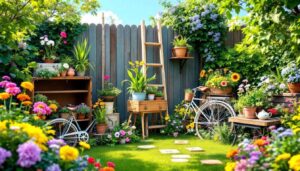
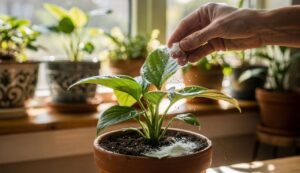
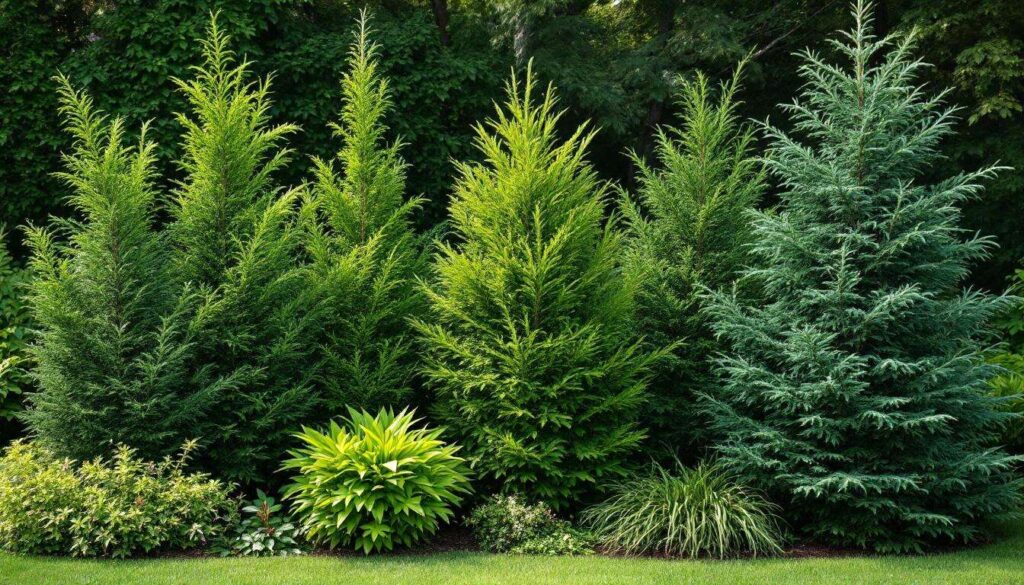
Gardens often lose their vibrancy during colder months, with bare branches and dormant beds creating a stark landscape. However, incorporating broadleaf evergreens transforms this scenario entirely, providing consistent colour, texture, and structure throughout every season. These remarkable plants combine the enduring foliage of traditional evergreens with the visual appeal of broader, more decorative leaves, making them indispensable for gardeners seeking year-round beauty without sacrificing aesthetic diversity.
What is a broadleaf evergreen ?
Defining characteristics
A broadleaf evergreen is a plant that retains its wide, flat leaves throughout the entire year, distinguishing itself from both deciduous plants that shed foliage seasonally and needle-leaved evergreens like pines and spruces. These plants possess leaves with a broad surface area rather than the narrow, needle-like structures found on conifers. The foliage remains green and functional across all seasons, continuously photosynthesising even during winter months when temperatures drop.
Botanical diversity
Broadleaf evergreens encompass a remarkable range of plant types:
- Shrubs: compact varieties ideal for borders and hedging
- Trees: larger specimens providing canopy coverage and architectural presence
- Ground covers: low-growing options for filling spaces beneath taller plants
- Climbers: vertical interest for walls, fences, and pergolas
This diversity ensures gardeners can find suitable broadleaf evergreens for virtually any garden situation, from small urban courtyards to expansive rural landscapes. Understanding these fundamental characteristics helps when selecting plants that will maintain their verdant appearance whilst complementing your garden’s existing design.
The benefits of broadleaf evergreens for the garden
Year-round visual interest
The most compelling advantage of broadleaf evergreens lies in their continuous foliage display. Whilst deciduous plants retreat into dormancy, these stalwarts maintain their presence, preventing gardens from appearing barren during autumn and winter. Their glossy leaves often catch winter sunlight beautifully, creating sparkling focal points when frost coats their surfaces.
Structural framework
Broadleaf evergreens provide essential architectural bones to garden designs. They establish permanent structure that remains constant regardless of season, allowing gardeners to build layered planting schemes around these reliable anchors. This structural quality proves particularly valuable in formal gardens where symmetry and consistency matter greatly.
Wildlife habitat and ecological value
These plants offer significant environmental benefits:
- Shelter: dense foliage provides year-round protection for birds and small mammals
- Nesting sites: many species create secure locations for raising young
- Food sources: berries and flowers attract pollinators and seed-eating birds
- Oxygen production: continuous photosynthesis maintains air quality throughout winter
Practical applications
| Function | Benefit | Suitable varieties |
|---|---|---|
| Privacy screening | Year-round concealment | Laurel, holly, boxwood |
| Windbreaks | Protection for tender plants | Southern magnolia, camellia |
| Noise reduction | Sound absorption from traffic | Dense hedging varieties |
| Erosion control | Root systems stabilise soil | Ground cover types |
Beyond aesthetics, broadleaf evergreens deliver functional advantages that enhance garden usability and comfort. Their ability to create natural barriers and modify microclimates makes them invaluable for solving common garden challenges.
How to choose the best varieties for your garden
Assessing site conditions
Successful selection begins with understanding your garden’s specific conditions. Evaluate sunlight exposure, noting areas receiving full sun, partial shade, or deep shade throughout the day. Soil type matters considerably—test whether your ground is acidic, neutral, or alkaline, as certain broadleaf evergreens have distinct pH preferences. Consider drainage patterns, identifying spots prone to waterlogging versus those that dry out quickly.
Climate compatibility
Hardiness zones determine which plants will thrive in your location. Research the minimum winter temperatures your area experiences and select varieties rated for those conditions. Some broadleaf evergreens tolerate harsh winters admirably, whilst others require milder climates to maintain their foliage without damage.
Mature size considerations
Always investigate a plant’s ultimate dimensions before purchasing:
- Height: ensure adequate vertical clearance from buildings and power lines
- Spread: allow sufficient horizontal space to prevent overcrowding
- Growth rate: fast-growing varieties fill spaces quickly but require more frequent pruning
- Root system: some species develop extensive roots that may interfere with foundations or drainage
Aesthetic preferences
Match plant characteristics to your design vision. Consider leaf colour variations—some varieties offer variegated foliage or purple-tinged leaves alongside traditional green. Flowering broadleaf evergreens like camellias and rhododendrons provide seasonal blooms whilst maintaining foliage. Berry-producing types such as hollies add winter colour through bright red or orange fruits.
Once you’ve identified suitable varieties matching your conditions and preferences, proper maintenance ensures these plants remain healthy and attractive throughout their lifespan.
Maintenance tips for lush evergreens year-round
Watering requirements
Established broadleaf evergreens generally tolerate dry periods better than newly planted specimens. However, consistent moisture during establishment proves critical. Water deeply but infrequently, encouraging roots to grow downward rather than remaining shallow. During prolonged dry spells, even mature plants benefit from supplemental watering, particularly those in exposed locations or sandy soils.
Feeding strategies
Apply balanced fertiliser in early spring as new growth emerges. Avoid high-nitrogen formulations late in the growing season, as this encourages soft growth vulnerable to frost damage. Organic options like well-rotted compost or leaf mould improve soil structure whilst providing nutrients gradually.
Pruning techniques
Most broadleaf evergreens require minimal pruning:
- Timing: prune after flowering for spring bloomers, or in late spring for non-flowering types
- Method: remove dead, damaged, or crossing branches first
- Shaping: trim lightly to maintain desired form without removing excessive foliage
- Renovation: some varieties tolerate hard pruning if rejuvenation becomes necessary
Pest and disease management
Monitor plants regularly for signs of problems. Common issues include scale insects, leaf spot diseases, and root rot in poorly drained soils. Address problems promptly using appropriate treatments, whether cultural, biological, or chemical. Good air circulation through proper spacing reduces disease pressure significantly.
Winter protection
In colder regions, protect vulnerable varieties with horticultural fleece during severe weather. Mulching around root zones insulates soil and prevents frost heaving. Avoid placing broadleaf evergreens where they’ll receive direct winter sun followed by freezing nights, as this temperature fluctuation damages foliage.
With maintenance routines established, you can focus on incorporating these versatile plants into cohesive garden designs that showcase their attributes effectively.
Design ideas for integrating evergreens into your space
Creating layered plantings
Use broadleaf evergreens as anchor plants within mixed borders, positioning taller varieties towards the back and shorter ones forward. This creates depth whilst ensuring year-round interest when herbaceous perennials die back. Combine different foliage textures—pairing fine-leaved boxwood with bold rhododendron leaves generates visual contrast.
Formal hedging and topiary
Several broadleaf evergreens excel in formal applications. Boxwood responds beautifully to tight clipping, forming precise geometric shapes or low parterre hedges. Holly varieties create substantial boundary hedges that provide security alongside aesthetic appeal.
Specimen planting
Feature exceptional specimens as focal points:
- Southern magnolia: dramatic presence with large fragrant flowers
- Camellia: elegant blooms against glossy foliage
- Japanese azalea: vibrant colour bursts in spring
Container cultivation
Many broadleaf evergreens adapt well to container culture, making them ideal for patios, balconies, and entrance areas. Select compact varieties and ensure containers provide adequate drainage. This approach allows gardeners with unsuitable soil conditions to enjoy these plants regardless.
Frequently asked questions about broadleaf evergreens
Do broadleaf evergreens ever lose their leaves ?
Whilst broadleaf evergreens retain foliage year-round, they do shed older leaves periodically. This natural process occurs gradually rather than all at once, maintaining the plant’s evergreen appearance. Some leaf drop in spring as new growth emerges is completely normal.
Can broadleaf evergreens grow in shade ?
Many varieties tolerate partial to full shade exceptionally well. Camellias, certain rhododendrons, and Japanese azaleas actually prefer shaded conditions, making them valuable for brightening darker garden areas where sun-loving plants struggle.
How fast do these plants grow ?
Growth rates vary considerably between species. Laurel grows rapidly, potentially adding several feet annually, whilst boxwood develops slowly over many years. Consult specific variety information when planning, as this affects how quickly your garden achieves its intended appearance.
Are broadleaf evergreens expensive to maintain ?
Generally, these plants prove economical long-term. Once established, they require minimal intervention beyond occasional pruning and mulching. Their longevity means you won’t need frequent replacements, and their year-round presence eliminates the need for seasonal bedding plants in those spaces.
Broadleaf evergreens offer unmatched versatility for creating gardens that remain vibrant throughout every season. Their combination of structural presence, year-round foliage, and diverse forms makes them essential components of successful garden design. By selecting appropriate varieties for your specific conditions and providing basic maintenance, you’ll enjoy these plants’ beauty for decades whilst supporting local wildlife and enhancing your outdoor environment’s ecological value. Whether employed as formal hedging, specimen features, or mixed border anchors, broadleaf evergreens deliver consistent performance that justifies their place in any thoughtfully planned garden.