



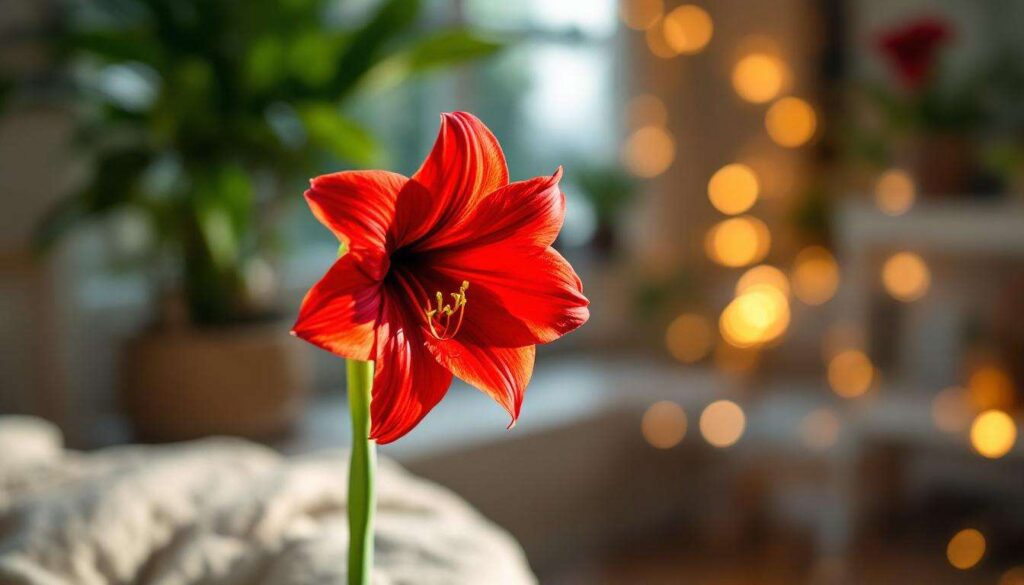
Most gardeners discard their amaryllis bulbs once the spectacular blooms have faded, treating these magnificent plants as disposable holiday decorations. This wasteful approach overlooks the remarkable potential of amaryllis to deliver stunning flowers for many years. With proper understanding and care throughout its natural cycle, this bulbous plant can become a reliable perennial feature in your home, producing increasingly impressive displays season after season.
Understanding the life cycle of amaryllis
The natural rhythm of growth and rest
Amaryllis follows a predictable annual pattern consisting of distinct phases that must be respected for successful reblooming. The cycle begins with active growth and flowering, typically during winter months when the bulb channels stored energy into producing its dramatic trumpet-shaped blooms. Following this spectacular display, the plant enters a vegetative growth phase where foliage develops and photosynthesises, replenishing the bulb’s reserves.
The final phase involves dormancy, a critical resting period lasting approximately eight to twelve weeks. During this time, the bulb consolidates its resources and prepares for the next flowering cycle. Understanding this rhythm proves essential because attempting to force continuous growth exhausts the bulb and prevents future blooming.
Why dormancy matters
Many gardeners fail with amaryllis because they maintain constant growing conditions throughout the year. The bulb requires a distinct rest period with reduced water and cooler temperatures to trigger the biochemical processes necessary for flower formation. Without this dormancy, the plant may produce foliage but rarely flowers.
| Growth Phase | Duration | Key Activity |
|---|---|---|
| Flowering | 2-3 weeks | Bloom production |
| Vegetative growth | 6-8 months | Foliage development and energy storage |
| Dormancy | 8-12 weeks | Rest and flower initiation |
Recognising these distinct phases allows you to provide appropriate care at each stage, maximising the bulb’s longevity and flowering potential.
Buying and planting correctly
Selecting quality bulbs
Success begins with choosing healthy, firm bulbs that show no signs of damage, soft spots or mould. Larger bulbs typically produce more flower stalks, with specimens measuring 28 to 32 centimetres in circumference often yielding two or even three stems. Inspect the base carefully for existing root development, which indicates a vigorous bulb ready to grow.
Proper planting technique
The planting process significantly influences subsequent performance. Select a container with adequate drainage holes that provides approximately 5 centimetres of space around the bulb’s circumference. Using a pot that is too large encourages the bulb to produce offsets rather than flowers.
Follow these essential planting steps:
- Fill the container with well-draining compost, preferably containing perlite or sand
- Position the bulb so that the upper third to half remains exposed above the soil surface
- Firm the compost gently around the bulb without compacting it excessively
- Water thoroughly after planting, then withhold further moisture until green growth appears
- Place in a warm location with bright indirect light
This initial restraint with watering prevents rot whilst the roots establish. Once the flower stalk emerges and reaches approximately 10 centimetres, resume regular watering and move the plant to a slightly cooler location to prolong the flowering display.
Caring for after blooming
Post-flowering maintenance
The period following bloom completion determines whether your amaryllis will flower again. Remove individual flowers as they fade, but leave the flower stalk intact until it yellows completely. This stalk continues photosynthesising and transferring nutrients back to the bulb. Once thoroughly brown, cut it approximately 5 centimetres above the bulb.
Foliage development phase
The strap-like leaves that emerge during and after flowering represent the plant’s energy production system. These must be maintained in excellent condition for as long as possible. Position the plant where it receives bright light for at least six hours daily, rotating the pot regularly to ensure even growth and prevent the leaves from leaning excessively in one direction.
Implement a feeding programme using a balanced liquid fertiliser every two to three weeks. This nutritional support enables the bulb to accumulate the reserves necessary for next season’s flowers. Water consistently, allowing the top 2 centimetres of compost to dry between applications but never letting the medium become completely desiccated.
With proper attention during this vegetative phase, the bulb increases in size and may produce offsets that can eventually be separated and grown as independent plants.
Preparing amaryllis for summer
Transitioning outdoors
Once nighttime temperatures reliably remain above 10°C, typically from late spring onwards, amaryllis benefits enormously from spending summer outdoors. This exposure to natural light cycles and fresh air stimulates robust growth that indoor conditions rarely match. Gradually acclimate the plant over a week by placing it in a sheltered location for increasing periods before leaving it out permanently.
Summer care requirements
Select a position that receives morning sun and afternoon shade to prevent leaf scorch whilst providing adequate light for photosynthesis. You may sink the entire pot into a garden bed or border, which helps maintain consistent moisture levels and protects the container from temperature extremes.
Continue the established care routine:
- Maintain regular watering, particularly during dry spells
- Feed fortnightly with diluted liquid fertiliser
- Remove any yellowing or damaged leaves promptly
- Monitor for pests such as slugs which may damage foliage
This summer rejuvenation period allows the bulb to achieve maximum size and vigour before the essential dormancy phase.
Creating dormancy conditions
Initiating the rest period
Approximately eight to twelve weeks before you wish to see flowers, begin the dormancy process. In late summer or early autumn, gradually reduce watering frequency over two weeks until you cease entirely. The foliage will naturally yellow and collapse as the bulb withdraws nutrients. Once the leaves have completely withered, remove them by cutting approximately 2 centimetres above the bulb.
Storage requirements
Move the dormant bulb to a cool, dark location where temperatures remain between 10°C and 15°C. Suitable locations include unheated garages, sheds, or cool cupboards. The bulb should remain in its pot with dry compost throughout this period. Check occasionally to ensure the bulb stays firm and shows no signs of shrivelling, though some surface drying is normal and acceptable.
This enforced rest triggers the biochemical changes within the bulb that lead to flower initiation. Attempting to shorten this period typically results in poor or absent flowering.
Waking the bulb for winter blooming
Timing the revival
After eight to twelve weeks of dormancy, bring the pot back into warmer conditions. The timing of this revival determines when flowers appear, as blooms typically emerge six to eight weeks after dormancy ends. For festive flowering, begin the process in mid to late autumn.
Restarting growth
Place the pot in a warm location with bright indirect light and water sparingly until green growth appears at the bulb’s apex. This initial restraint prevents rot whilst encouraging the flower stalk to emerge before excessive foliage development. Once the flower spike reaches 10 centimetres, resume normal watering and feeding practices.
As flowering approaches, you may move the plant to a cooler location to prolong the display. Cooler temperatures slow flower development, extending the blooming period by several days.
By following this annual cycle of growth, dormancy and revival, your amaryllis bulb can produce magnificent flowers for a decade or more, with each season potentially yielding more impressive displays than the last.
Transforming amaryllis from a disposable seasonal purchase into a long-lived perennial requires understanding its natural cycle and providing appropriate care at each phase. Select quality bulbs and plant them correctly with adequate drainage, maintain vigorous foliage growth through spring and summer with regular feeding and watering, enforce a proper dormancy period in cool, dark conditions, then revive the bulb at the desired time for spectacular winter blooms. This approach not only proves more economical but delivers the satisfaction of nurturing a plant that improves with age, producing increasingly dramatic displays as the bulb matures and strengthens over successive seasons.