

Gardeners across the nation are rediscovering an age-old practice that transforms kitchen waste into a powerful soil enhancer. The humble banana peel, often discarded without a second thought, contains a remarkable concentration of nutrients that can revolutionise the way we approach soil health and plant nutrition. This natural method offers an accessible, cost-effective alternative to synthetic fertilisers whilst addressing environmental concerns about food waste and chemical runoff.
Introduction to the benefits of banana peels for soil
Essential nutrients found in banana peels
Banana peels serve as a natural reservoir of vital nutrients that plants require for optimal growth. The primary elements include potassium, phosphorus, calcium, and magnesium, each playing a distinct role in plant development. Potassium, the most abundant mineral in banana peels, helps regulate water absorption within plant cells and strengthens stems, making plants more resilient against diseases and environmental stress. Phosphorus proves essential for root formation and flower production, whilst calcium supports cell wall structure and magnesium facilitates photosynthesis by forming the central component of chlorophyll molecules.
How decomposition enriches soil composition
As banana peels break down in soil, they undergo a natural decomposition process facilitated by microorganisms, earthworms, and other soil-dwelling creatures. This biological activity releases nutrients gradually, creating a slow-release fertiliser effect that prevents nutrient leaching and ensures sustained availability for plants. The decomposition process also improves soil structure by:
- Increasing organic matter content
- Enhancing water retention capacity
- Promoting beneficial microbial populations
- Improving soil aeration and drainage
- Reducing soil compaction over time
Understanding these fundamental benefits establishes the foundation for implementing effective banana peel techniques throughout your garden.
Properly positioning banana peels in the garden
Direct burial method for maximum impact
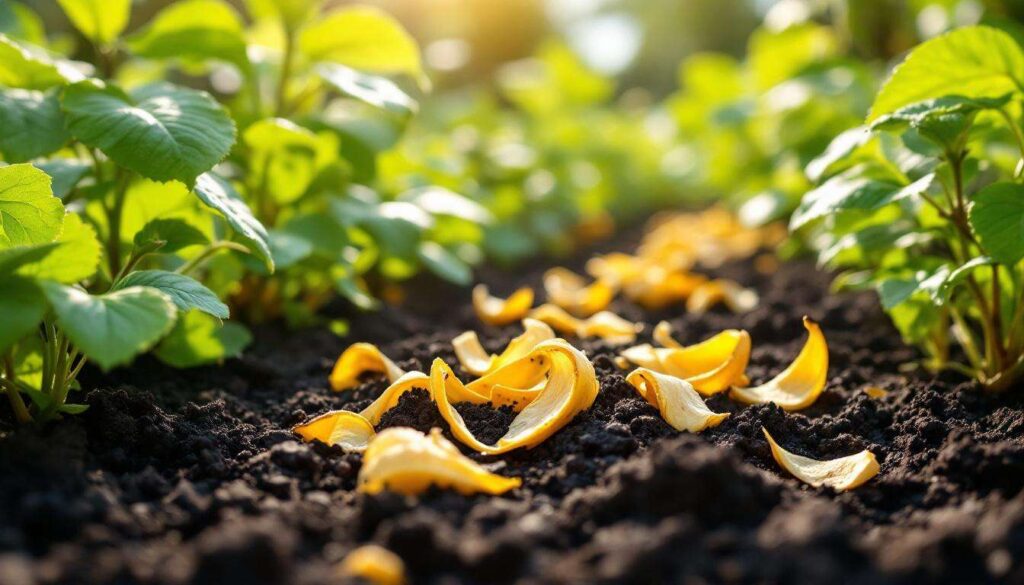
The most straightforward approach involves burying chopped banana peels directly into the soil. When planting new seedlings or transplanting established specimens, dig a hole slightly deeper than usual and place one to two chopped peels at the bottom before positioning the plant. This technique ensures that developing roots encounter nutrients precisely when needed most. For existing plants, create small trenches approximately 10 centimetres from the stem and bury peel pieces at a depth of 8-10 centimetres to avoid attracting pests whilst allowing decomposition to occur near the root zone.
Creating nutrient-rich banana peel tea
Liquid fertilisers offer an alternative method for those seeking immediate nutrient availability. To prepare banana peel tea, place several peels in a large container filled with water and allow the mixture to steep for three to five days. The resulting amber-coloured liquid contains dissolved nutrients ready for plant uptake. Dilute this concentrate with equal parts water before applying directly to soil around plant bases or using as a foliar spray during early morning hours.
Composting integration strategies
Adding banana peels to compost bins accelerates the creation of nutrient-dense soil amendments. Chop peels into smaller pieces to speed decomposition and layer them with carbon-rich materials such as dried leaves, shredded paper, or straw. This balanced approach prevents the compost from becoming too nitrogen-heavy and maintains proper moisture levels throughout the composting process.
| Method | Nutrient Release Speed | Best Application Time |
|---|---|---|
| Direct burial | Slow (2-4 weeks) | Planting or transplanting |
| Banana peel tea | Immediate | Growing season |
| Composting | Medium (4-8 weeks) | Pre-season soil preparation |
These varied positioning techniques allow gardeners to tailor their approach based on specific plant needs and seasonal requirements, leading naturally to considerations about how quickly these methods produce observable results.
The immediate impact of banana peels on soil health
Measurable improvements in soil structure
Within weeks of incorporating banana peels, soil begins exhibiting noticeable physical changes. The organic matter increases soil friability, making it easier to work whilst improving its ability to retain moisture during dry periods. Enhanced aggregation creates air pockets that facilitate root penetration and oxygen circulation, both critical for healthy plant development. Earthworm populations often increase in areas where banana peels are regularly applied, as these decomposers are attracted to the nutrient-rich organic material.
Biological activity enhancement
The introduction of banana peels stimulates microbial communities within the soil ecosystem. Beneficial bacteria and fungi multiply rapidly when presented with fresh organic matter, creating a more dynamic and productive soil environment. These microorganisms not only break down the peels but also help suppress soil-borne pathogens and facilitate nutrient cycling throughout the growing season.
pH balance considerations
Banana peels possess a slightly acidic pH, which can benefit plants that prefer lower pH levels. However, the impact on overall soil pH remains minimal unless large quantities are applied consistently. Regular monitoring ensures that soil conditions remain within optimal ranges for intended crops.
These immediate improvements set the stage for understanding how banana peels function as a comprehensive fertiliser alternative.
Using banana peels as eco-friendly fertiliser
Environmental advantages over synthetic options
Choosing banana peels over commercial fertilisers delivers significant environmental benefits. This approach eliminates the carbon footprint associated with fertiliser manufacturing, packaging, and transportation. Additionally, it prevents food waste from entering landfills where decomposition produces methane, a potent greenhouse gas. By redirecting kitchen scraps to the garden, households reduce their overall waste output whilst creating a closed-loop system that exemplifies sustainable living principles.
Cost-effectiveness for home gardeners
The financial advantages prove equally compelling. Most households generate banana peels regularly as part of normal consumption patterns, making this resource essentially free. Compare this to the recurring expense of purchasing fertilisers throughout the growing season:
- Zero acquisition cost for raw materials
- No packaging waste to dispose of
- Reduced water bills due to improved soil moisture retention
- Lower plant replacement costs thanks to healthier specimens
- Minimal storage space requirements
Application frequency guidelines
For optimal results without over-fertilising, apply banana peels every four to six weeks during active growing periods. Heavy feeders may benefit from more frequent applications, whilst established perennials typically require less intensive feeding schedules. Observe plant responses and adjust accordingly, watching for signs of nutrient excess such as excessive foliage growth at the expense of flowers or fruit.
Understanding these eco-friendly aspects helps gardeners identify which plants will respond most favourably to this natural amendment.
Plants that benefit most from banana peels
Potassium-loving vegetables
Tomatoes, peppers, and aubergines demonstrate exceptional responses to banana peel applications. These fruiting vegetables require substantial potassium to develop robust stems, resist diseases, and produce abundant, flavourful harvests. Apply peels at transplanting time and supplement with banana peel tea during flowering and fruit set for maximum yields.
Flowering ornamentals and roses
Roses particularly appreciate the phosphorus content in banana peels, which promotes prolific blooming and vibrant flower colours. Other flowering plants such as dahlias, peonies, and flowering shrubs similarly benefit from regular applications. The calcium and magnesium content supports strong stem development, preventing drooping and extending vase life for cut flowers.
Root vegetables and tubers
Potatoes, carrots, and beetroot develop more extensively when grown in banana peel-enriched soil. The potassium strengthens cell walls within developing roots and tubers, improving storage quality and flavour intensity. Work chopped peels into planting beds several weeks before sowing to allow initial decomposition to occur.
| Plant Category | Primary Benefit | Application Timing |
|---|---|---|
| Fruiting vegetables | Increased yields | Transplanting and flowering |
| Roses and ornamentals | Enhanced blooming | Early spring and mid-summer |
| Root vegetables | Improved development | Pre-planting preparation |
Whilst many plants thrive with banana peel amendments, certain precautions and common misconceptions warrant careful examination.
Myths and precautions around the use of banana peels
Debunking common misconceptions
Several myths persist regarding banana peel use in gardens. The claim that placing peels directly on soil surfaces provides immediate benefits proves largely inaccurate. Surface application often attracts pests and creates unsightly decomposition without delivering nutrients effectively to root zones. Another misconception suggests that banana peels alone provide complete nutrition; however, they should complement rather than replace balanced fertilisation programmes that address all essential nutrients.
Pest attraction concerns
Improperly managed banana peels can attract unwanted visitors including fruit flies, rodents, and slugs. To minimise these risks:
- Always bury peels beneath soil surface
- Avoid applying near building foundations
- Chop into small pieces for faster decomposition
- Maintain appropriate distance from plant stems
- Monitor regularly for pest activity
Organic versus non-organic considerations
Conventional banana peels may contain pesticide residues that persist through decomposition. Gardeners maintaining certified organic gardens should source organic bananas or thoroughly wash conventional peels before use. This precaution proves particularly important for edible crops where chemical contamination poses health concerns.
Quantity moderation principles
Excessive banana peel applications can create nutrient imbalances, particularly potassium excess that interferes with calcium and magnesium uptake. Practice moderation and observe plant responses, adjusting applications based on visual cues and, ideally, periodic soil testing to maintain optimal nutrient ratios.
The transformation of banana peels from kitchen waste to valuable soil amendment represents a practical step towards sustainable gardening. This simple practice delivers measurable improvements in soil health, plant vigour, and environmental stewardship whilst reducing household waste and gardening expenses. By understanding proper application methods, recognising which plants benefit most, and avoiding common pitfalls, gardeners can harness the full potential of this natural resource. The combination of immediate soil improvements and long-term sustainability benefits makes banana peel gardening a worthwhile addition to any cultivation strategy.