



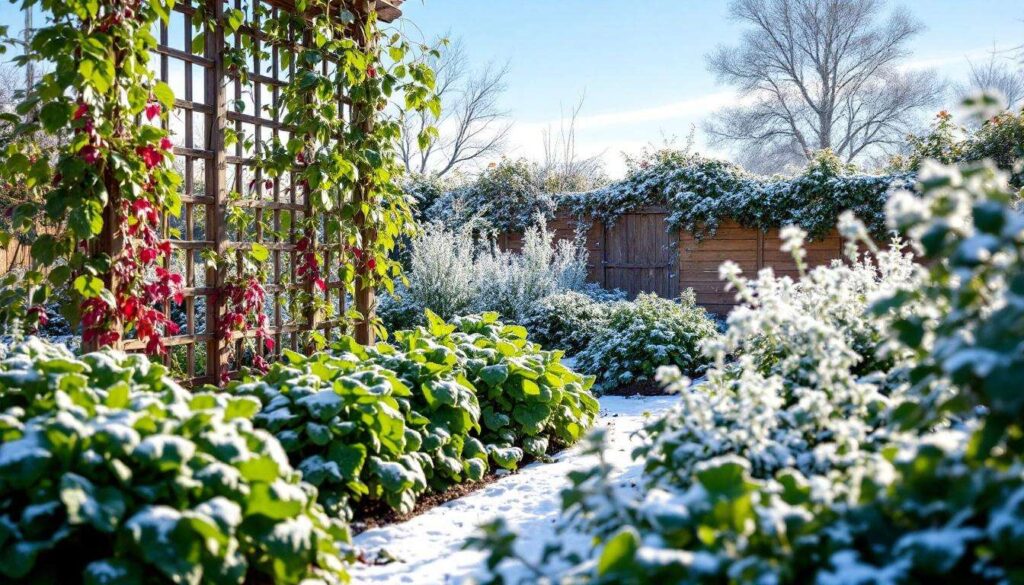
The cold months offer an unexpected opportunity for gardeners to step back from daily tasks and focus on strategic planning. Whilst the ground may be frozen and growth has slowed, this period provides the ideal conditions to evaluate past successes, consider new approaches, and prepare thoroughly for the months ahead. Thoughtful winter planning transforms a garden from a reactive space into a carefully orchestrated production system that delivers fresh, flavourful produce throughout the growing season.
Understanding the importance of planning in winter
Why winter planning matters for garden success
Winter represents a critical window for strategic garden planning that many gardeners overlook. Whilst the temptation exists to simply wait for warmer weather, those who invest time during these quieter months consistently achieve superior results. The absence of immediate gardening tasks allows for careful consideration of what worked previously and what requires adjustment. This reflection period proves invaluable for developing a coherent strategy rather than making impulsive decisions during the busy spring rush.
Planning during winter enables gardeners to identify potential problems before they arise. Soil preparation, structure repairs, and layout modifications all become manageable tasks when approached methodically. The frozen ground may limit physical work, but mental preparation ensures that once conditions improve, implementation can proceed smoothly and efficiently.
Evaluating your gardening preferences
Before selecting seeds or planning layouts, honest evaluation of personal food preferences proves essential. Consider which vegetables your household actually consumes regularly, and which varieties end up wasted. This assessment should include:
- Fresh herbs that enhance everyday cooking
- Salad greens that provide superior flavour when freshly picked
- Tomatoes and other vegetables that taste markedly better homegrown
- Speciality varieties unavailable in local shops
- Crops that align with your cooking style and dietary habits
Creating a detailed list of genuinely desired produce prevents the common mistake of cultivating vegetables simply because they seem easy or traditional, only to discover they remain unharvested. Realistic assessment of maintenance commitment also matters, as some crops demand significantly more attention than others.
With clear preferences established, attention naturally turns to selecting appropriate varieties for the winter growing environment.
Choosing the right vegetables for winter
Hardy varieties suited to cold conditions
Selecting vegetables that tolerate or even thrive in cooler temperatures ensures continuous production throughout winter months. Cold-hardy crops not only survive frost but often develop enhanced flavour through exposure to lower temperatures. These varieties include kale, Brussels sprouts, winter lettuce, and various root vegetables that benefit from extended growing periods in cool soil.
| Vegetable | Cold tolerance | Growing period |
|---|---|---|
| Kale | Excellent | 60-90 days |
| Brussels sprouts | Excellent | 90-180 days |
| Winter lettuce | Good | 45-60 days |
| Carrots | Very good | 70-80 days |
| Parsnips | Excellent | 120-150 days |
Uncommon varieties worth exploring
Winter planning provides the perfect opportunity to research unusual varieties that rarely appear in commercial settings. These speciality crops often offer superior flavour, interesting textures, or unique colours that add diversity to meals. Heirloom varieties, heritage breeds, and regional specialities deserve consideration, particularly those suited to local climate conditions.
Exploring seed catalogues during winter allows for thoughtful selection rather than hasty spring purchases. Many rare varieties require advance ordering, making winter planning practically essential for accessing the most interesting options. Understanding spatial requirements and companion planting opportunities leads naturally into considering how to arrange these choices effectively.
Maximising available space for your vegetable garden
Efficient layout strategies
Thoughtful space optimisation dramatically increases productivity without expanding garden boundaries. Vertical growing systems, intensive planting methods, and succession planting all contribute to maximising yield from limited areas. Winter provides ideal conditions for sketching layouts, measuring dimensions, and calculating plant spacing without the pressure of immediate implementation.
Consider these space-saving approaches:
- Vertical structures for climbing beans, peas, and cucumbers
- Raised beds that define growing areas and improve drainage
- Succession planting to ensure continuous harvests
- Companion planting that uses complementary growth patterns
- Container gardens for herbs and compact vegetables
Crop rotation planning
Winter planning sessions should include detailed crop rotation schemes that prevent soil depletion and reduce pest problems. Rotating plant families through different beds maintains soil health whilst disrupting disease cycles. Documenting previous years’ layouts helps identify appropriate rotation patterns and prevents accidental repetition that could compromise soil quality or invite persistent pests.
Effective space utilisation connects directly with financial considerations, as productive gardens naturally reduce household food expenses.
Saving money by growing your own vegetables
Cost-effective crop selection
Strategic vegetable selection based on financial returns ensures gardening efforts translate into meaningful savings. Certain crops offer exceptional value compared to shop prices, particularly those that command premium prices when fresh. Herbs, salad greens, and vegetables that deteriorate quickly after harvest provide the greatest financial benefit when grown at home.
Comparing homegrown costs against retail prices reveals which crops deliver maximum savings. Whilst staple vegetables like potatoes offer modest returns relative to effort, speciality items and out-of-season produce can reduce shopping bills substantially. Fresh herbs alone often justify garden investment, as small supermarket packets cost significantly more than homegrown equivalents.
Budget planning for garden inputs
Winter planning should include realistic budgeting for seeds, compost, tools, and structures. Identifying cost-effective suppliers, comparing seed prices, and planning bulk purchases all contribute to financial efficiency. Many gardeners find that initial investments pay for themselves within a single season, with subsequent years requiring only minimal input costs.
Financial planning naturally extends into practical techniques that enhance winter garden productivity.
Techniques for optimising your garden in winter
Soil preparation and enrichment
Winter soil management establishes the foundation for successful growing seasons. Adding organic matter during dormant periods allows materials to decompose gradually, enriching soil structure and nutrient content before spring planting. Well-rotted manure, compost, and leaf mould all benefit from winter incorporation, as they integrate thoroughly without disturbing active plant growth.
Covering prepared beds with mulch protects soil structure from winter weather whilst suppressing weed germination. This simple technique reduces spring workload considerably, as beds require minimal preparation before planting. Healthy soil produces vigorous plants that resist pests and diseases more effectively than those grown in depleted conditions.
Infrastructure maintenance and improvements
Winter provides excellent opportunities for repairing structures, building new supports, and upgrading garden infrastructure without interfering with growing crops. Tasks include:
- Repairing damaged fencing and raised bed frames
- Constructing trellises and support structures
- Installing irrigation systems or improving drainage
- Building cold frames or protective covers
- Organising tool storage and maintenance areas
These improvements, completed during quiet months, ensure everything functions properly when the busy growing season arrives. Practical preparation leads directly into specific guidance for winter cultivation activities.
Tips for sowing and harvesting in winter
Protected sowing techniques
Whilst outdoor sowing remains limited during coldest periods, protected environments enable early starts for many crops. Cold frames, cloches, and unheated greenhouses extend the growing season considerably, allowing germination and early growth before outdoor conditions become suitable. Starting seeds indoors on windowsills provides another option for getting ahead of the season.
Timing proves critical for winter sowing success. Understanding local frost dates, monitoring weather patterns, and recognising suitable soil conditions all influence when to begin. Patience often yields better results than premature sowing, as seeds sown into cold, wet soil frequently rot rather than germinate.
Winter harvest management
Many vegetables planted in previous seasons continue producing throughout winter, requiring regular harvesting to maintain quality and encourage continued production. Hardy greens, root vegetables, and brassicas all benefit from consistent picking. Morning harvests often prove most successful, as vegetables contain maximum moisture and nutrients after cool nights.
Proper storage of winter harvests extends their usability and prevents waste. Root vegetables store well in cool, dark conditions, whilst leafy greens require refrigeration for optimal preservation. Understanding harvest timing and storage requirements ensures maximum benefit from winter-growing efforts.
Successful vegetable gardening stems from careful preparation during quieter months. Winter planning allows gardeners to evaluate preferences honestly, select appropriate varieties, optimise available space, and prepare soil and structures thoroughly. These foundational activities create conditions for productive growing seasons that deliver fresh, flavourful produce whilst reducing household food expenses. The investment of time during winter months consistently rewards gardeners with superior results throughout the year.