



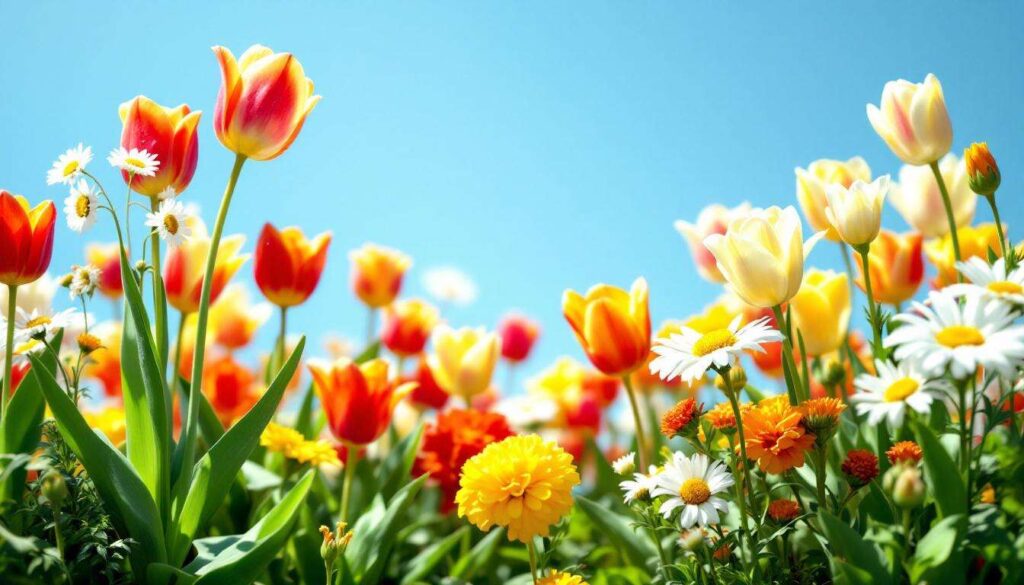
Gardening has long been intertwined with cultural beliefs about prosperity, health and happiness. Certain blooms carry symbolic meanings that transcend mere aesthetics, representing wishes for abundance, protection and positive energy. By selecting flowers with auspicious associations, gardeners can create spaces that nurture both visual beauty and a sense of optimism. These botanical choices reflect traditions spanning centuries and continents, offering a meaningful way to cultivate fortune alongside foliage.
Lucky flowers and their symbolism
The cultural significance of fortunate blooms
Throughout history, flowers have served as powerful symbols in various cultures, representing everything from love and purity to wealth and longevity. Many traditions attribute specific meanings to certain blooms, believing they can influence the energy of a space and attract positive outcomes. These associations often stem from ancient practices, including Feng Shui, Victorian flower language and folk traditions passed down through generations.
The symbolism attached to flowers typically relates to their characteristics:
- Colour palettes that evoke specific emotions or energies
- Blooming patterns that suggest renewal or persistence
- Growth habits that demonstrate resilience or abundance
- Historical uses in ceremonies and celebrations
- Natural properties that benefit the surrounding environment
How floral symbolism influences garden design
Understanding the symbolic meanings behind flowers allows gardeners to create intentional spaces that reflect their aspirations. A garden designed with fortunate blooms becomes more than a collection of plants; it transforms into a living expression of hope and intention. The strategic placement of these flowers can enhance specific areas of life, from financial prosperity to emotional wellbeing, according to traditional beliefs.
| Symbolic Meaning | Associated Qualities | Traditional Uses |
|---|---|---|
| Prosperity | Wealth, abundance, success | Business entrances, home gardens |
| Protection | Safety, warding negativity | Garden borders, doorways |
| Love | Romance, harmony, connection | Courtyards, intimate spaces |
| Longevity | Health, vitality, endurance | Family gardens, memorial spaces |
These symbolic associations provide gardeners with a framework for making thoughtful choices about which flowers to cultivate, creating outdoor spaces that serve both practical and spiritual purposes.
Marigold: the charm of the marigold in your garden
Protective properties and vibrant presence
Marigolds stand out as one of the most universally recognised lucky flowers, celebrated across numerous cultures for their protective qualities and ability to attract positive energy. Their brilliant orange and golden hues create an immediate visual impact whilst their distinctive scent is believed to ward off negative influences. In many traditions, marigolds serve as guardians, planted near entrances or along garden borders to create a barrier against unwanted energies.
The practical benefits of marigolds extend beyond symbolism:
- Natural pest deterrent that protects neighbouring plants
- Easy cultivation suitable for novice gardeners
- Extended blooming period from spring through autumn
- Drought-tolerant once established
- Attracts beneficial pollinators whilst repelling harmful insects
Cultivation tips for maximum fortune
To harness the full potential of marigolds in your garden, plant them in full sun where their colours will appear most vibrant. These hardy annuals prefer well-drained soil and benefit from regular deadheading to encourage continuous blooming. Consider planting marigolds in clusters rather than single specimens to amplify their protective energy and create bold visual statements throughout your garden space.
Their versatility makes marigolds suitable for various garden styles, from cottage gardens to modern landscapes, ensuring that fortune can be cultivated regardless of aesthetic preference.
Jasmine: sweetness and prosperity
Fragrance and fortune combined
Jasmine represents a sophisticated choice for gardeners seeking both sensory pleasure and symbolic meaning. The intoxicating fragrance of jasmine flowers has made them prized across cultures, particularly in Asian traditions where they symbolise purity, prosperity and divine hope. The delicate white or pale yellow blooms release their strongest scent during evening hours, creating an enchanting atmosphere that many believe attracts good fortune and positive relationships.
Varieties and growing conditions
Several jasmine varieties offer different characteristics suited to various climates and garden situations. Common jasmine (Jasminum officinale) thrives as a climbing vine, whilst winter jasmine provides colour during colder months. Star jasmine, though not a true jasmine, offers similar fragrance and symbolism with greater cold tolerance.
| Jasmine Variety | Growth Habit | Hardiness |
|---|---|---|
| Common Jasmine | Climbing vine, 3-4.5m | Hardy to -10°C |
| Winter Jasmine | Sprawling shrub, 3m | Hardy to -15°C |
| Arabian Jasmine | Compact shrub, 1-2m | Tender, needs protection |
Position jasmine near seating areas or windows where its fragrance can be fully appreciated, maximising both the sensory experience and the symbolic benefits of this fortunate flower.
Chrysanthemum: a tradition of luck
Longevity and rejuvenation symbolism
Chrysanthemums hold profound significance in Eastern cultures, where they represent longevity, rejuvenation and noble character. These versatile flowers bloom prolifically during autumn, providing vibrant colour when many other plants fade. Their association with good fortune stems partly from their ability to thrive during challenging seasons, symbolising resilience and the capacity to flourish despite adversity.
Colour meanings and garden placement
The colour of chrysanthemums carries specific symbolic meanings that can be leveraged in garden design. Red chrysanthemums represent love and deep passion, whilst yellow varieties symbolise neglected love or sorrow in some traditions but joy in others. White chrysanthemums signify truth and loyal love, making them popular choices for gardens intended to promote harmony.
- Plant chrysanthemums in groups of odd numbers for traditional good fortune
- Position them in eastern or southeastern areas to enhance prosperity energy
- Combine different colours to create balanced symbolic representations
- Provide afternoon shade in warmer climates to extend blooming periods
These hardy perennials require minimal maintenance once established, making them practical choices for gardeners seeking both beauty and symbolic significance without excessive effort.
Peony: symbol of love and fortune
Opulent blooms representing wealth
Peonies are revered as symbols of prosperity, honour and good fortune, particularly in Chinese culture where they’re known as the “king of flowers”. Their lavish, multi-petalled blooms and intoxicating fragrance make them garden treasures, whilst their symbolic associations with wealth and happy marriages add deeper meaning to their cultivation. The peony’s ability to live for decades, even generations, reinforces its connection to lasting prosperity and family legacy.
Establishing peonies for long-term fortune
Patience proves essential when growing peonies, as these long-lived perennials may take several years to reach full blooming potential. However, this gradual development symbolises the steady accumulation of fortune rather than fleeting luck. Plant peony roots in autumn, ensuring the eyes sit no more than 5cm below soil surface, as deeper planting inhibits flowering.
Peonies thrive in full sun with well-drained, fertile soil and benefit from support structures to prevent their heavy blooms from weighing down stems. Once established, these fortunate flowers require minimal intervention, rewarding patient gardeners with increasingly spectacular displays that symbolise growing prosperity over time.
Sunflower: the positive energy of the sun
Radiant symbolism and uplifting presence
Sunflowers embody optimism and positive energy through their sun-tracking behaviour and brilliant golden petals that mirror solar radiance. These cheerful giants represent adoration, loyalty and longevity, whilst their association with the sun connects them to vitality, growth and life-affirming energy. Their towering presence in gardens creates focal points that draw the eye upward, symbolically lifting spirits and encouraging optimistic perspectives.
Practical cultivation for maximum impact
Growing sunflowers requires relatively little expertise, making them accessible choices for gardeners of all skill levels seeking to cultivate good fortune. These fast-growing annuals germinate quickly and reach impressive heights within months, providing rapid gratification alongside their symbolic benefits.
- Sow seeds directly in garden beds after final frost
- Provide full sun exposure for optimal growth and flower development
- Space plants adequately to prevent competition for resources
- Stake taller varieties to protect against wind damage
- Allow seed heads to mature for wildlife benefits and future planting
The sunflower’s ability to produce abundant seeds further reinforces its association with prosperity and generosity, as a single plant can yield hundreds of seeds for future cultivation or sharing with others, perpetuating the cycle of good fortune.
Gardens enriched with these fortunate flowers become more than collections of plants; they transform into intentional spaces that reflect aspirations for prosperity, health and happiness. By understanding the symbolic meanings behind each bloom and providing appropriate growing conditions, gardeners can cultivate both beauty and positive energy. These time-honoured associations between specific flowers and good fortune offer meaningful ways to connect with traditions whilst creating personally significant outdoor spaces that nurture optimism and wellbeing throughout the seasons.