

Hanging baskets transform outdoor spaces into vibrant displays of cascading colour and texture. These versatile containers allow gardeners to maximise vertical space whilst creating eye-catching focal points on patios, balconies, and entryways. Trailing plants, often referred to as spillers in horticultural design, form the essential foundation of successful hanging basket arrangements by providing graceful downward movement and visual interest throughout the growing season.
Discovering trailing plants for hanging baskets
Understanding the role of trailing plants
Trailing plants serve a specific purpose within container arrangements, creating dramatic cascades that soften hard edges and add dimension to displays. These plants naturally grow downwards or spread horizontally, making them ideal candidates for elevated plantings. Their growth habit allows foliage and flowers to spill over basket edges, producing the waterfall effect that makes hanging baskets so visually appealing.
The concept of combining different plant types follows a proven design principle. Successful hanging baskets typically incorporate three distinct elements:
- Thrillers provide height and central focus
- Fillers occupy middle spaces with bushy growth
- Spillers trail downwards, completing the composition
Benefits of incorporating trailing varieties
Beyond aesthetic appeal, trailing plants offer practical advantages for container gardening. Their spreading nature helps conceal basket structures, creating a more polished appearance. Many trailing varieties also demonstrate excellent heat tolerance and drought resistance, making them suitable for exposed positions where hanging baskets typically reside. The continuous growth pattern of these plants ensures displays remain attractive throughout the entire growing season, providing excellent value for gardeners seeking long-lasting colour.
Understanding these fundamental characteristics helps inform plant selection and leads naturally to exploring specific varieties that excel in hanging basket environments.
The main varieties of trailing plants
Flowering trailing plants
Calibrachoa, commonly known as million bells, ranks amongst the most popular choices for hanging baskets. This tender perennial produces tubular flowers in an extensive colour range including purple, pink, red, yellow, orange, and white. The plant requires minimal maintenance, as spent blooms drop naturally without deadheading. Its compact growth habit and prolific flowering make it particularly suitable for creating dense, colourful displays.
Lobelia erinus represents another quintessential summer garden plant, offering bright colours and delicate flowers. This variety thrives in full sun positions and requires regular watering to maintain continuous blooming. The absence of deadheading requirements makes it an excellent low-maintenance option for busy gardeners.
| Plant variety | Flower colours | Maintenance level | Light requirements |
|---|---|---|---|
| Calibrachoa | Purple, pink, red, yellow, orange, white | Low | Full sun |
| Lobelia erinus | Blue, purple, pink, white | Medium | Full sun |
| Aubrieta | Purple, pink, red | Low | Full sun |
Foliage-focused trailing plants
String of pearls (Curio rowleyanus) offers distinctive visual interest through its unusual bead-like leaves that drape elegantly from containers. This succulent requires bright indirect light and minimal watering, making it suitable for gardeners seeking drought-tolerant options. The spherical foliage creates unique texture that contrasts beautifully with traditional flowering plants.
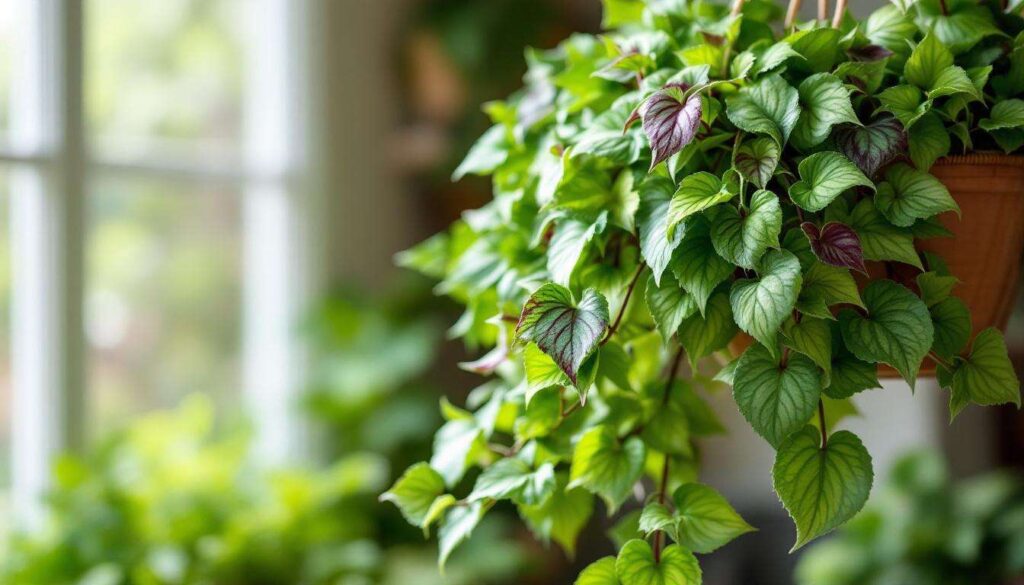
Inchplant (Tradescantia zebrina) displays striking green and purple leaves with distinctive patterns. This variety thrives in humid environments and requires good drainage combined with regular watering. Its rapid growth rate quickly fills baskets with lush foliage.
Silver satin pothos (Scindapsus pictus) features heart-shaped leaves adorned with silver variegation. This adaptable plant tolerates various light conditions, from bright indirect light to partial shade, making it versatile for different garden positions.
Having explored these diverse options, gardeners must consider specific factors when making their selections.
Tips for choosing the ideal plant
Assessing growing conditions
Successful plant selection begins with honest evaluation of available growing conditions. Light exposure represents the most critical factor, as different trailing plants have varying requirements. Full sun positions suit calibrachoa and lobelia, whilst shade-tolerant varieties like certain tradescantia cultivars perform better in protected locations. Observing how sunlight moves across potential hanging basket locations throughout the day provides valuable information for matching plants to positions.
Wind exposure also influences plant choice. Exposed sites require robust varieties with strong stems that withstand buffeting, whilst sheltered positions accommodate more delicate trailing plants. Temperature considerations prove equally important, particularly regarding frost tolerance and heat resistance.
Matching plants to basket size and style
Container dimensions directly impact plant selection. Larger baskets accommodate vigorous growers with extensive root systems, whilst smaller containers require compact varieties. Consider these factors when planning:
- Root depth requirements of selected plants
- Mature spread and trailing length
- Water retention capacity relative to plant needs
- Weight considerations for hanging structures
Aesthetic preferences also guide choices. Some gardeners prefer monochromatic schemes using single colours, whilst others embrace mixed plantings with contrasting hues and textures. Coordinating trailing plant selections with existing garden colour schemes creates cohesive outdoor spaces.
Once appropriate plants are selected, proper care techniques ensure healthy growth and attractive displays.
Caring for hanging plants
Watering requirements
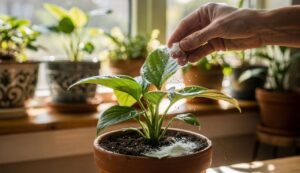
Hanging baskets dry out considerably faster than ground-level plantings due to increased air circulation and exposure. Daily watering often becomes necessary during warm weather, particularly for baskets in full sun positions. Early morning watering proves most effective, allowing foliage to dry before evening and reducing disease risk. Water-retaining gel incorporated into potting mix helps maintain consistent moisture levels between waterings.
Feeding and fertilisation
The confined root space in hanging baskets quickly depletes available nutrients. Regular fertilisation every two weeks throughout the growing season maintains vigorous growth and continuous flowering. Slow-release fertiliser granules mixed into potting mix at planting time provide baseline nutrition, supplemented by liquid feeds during the season. Balanced formulations suit most trailing plants, though flowering varieties benefit from higher potassium content to promote bloom production.
Pruning and maintenance tasks
Regular maintenance keeps hanging baskets looking their best. Remove dead or damaged foliage promptly to maintain appearance and prevent disease. Some trailing plants benefit from periodic trimming to encourage bushier growth and prevent leggy stems. Deadheading flowering varieties that require it promotes continued bloom production.
Despite attentive care, challenges occasionally arise that require specific solutions.
Common problems and solutions
Pest management
Hanging baskets attract various pests including aphids, whitefly, and spider mites. Early detection proves crucial for effective control. Regular inspection of leaf undersides and new growth helps identify infestations before they become severe. Organic control methods such as insecticidal soap provide effective treatment whilst minimising environmental impact. Encouraging beneficial insects through companion planting offers natural pest control.
Disease prevention
Fungal diseases often develop in hanging baskets due to overhead watering and poor air circulation. Powdery mildew and botrytis represent common problems. Preventative measures include:
- Ensuring adequate spacing between plants
- Watering at soil level rather than overhead
- Removing affected foliage immediately
- Providing good air circulation around baskets
Addressing environmental stress
Extreme weather conditions stress hanging basket plants. Excessive heat causes wilting despite adequate watering, whilst heavy rain waterlogs soil and damages delicate flowers. Moving baskets to protected locations during severe weather helps minimise damage. Providing temporary shade during heatwaves reduces stress on plants.
Addressing these practical concerns allows focus to shift towards maximising visual impact through thoughtful presentation.
Tips for a stunning presentation
Creating balanced compositions
Successful hanging basket displays achieve visual harmony through careful plant placement. Position taller thriller plants centrally, surround them with filler plants, and place trailing spillers around basket edges. This arrangement creates natural-looking displays with appropriate proportions. Odd numbers of plants typically produce more pleasing arrangements than even numbers.
Colour coordination strategies
Colour selection dramatically impacts overall effect. Complementary colour schemes using opposite hues create vibrant, energetic displays. Analogous schemes employing adjacent colours produce harmonious, sophisticated arrangements. Monochromatic plantings using various shades of single colours offer elegant simplicity. Consider foliage colour alongside flowers, as variegated leaves add interest even when blooms fade.
Seasonal refresh techniques
Extending display season requires strategic planning. Plant spring bulbs beneath summer annuals for early colour, then allow trailing plants to take over as bulbs fade. Replace tired summer plants with autumn varieties to maintain interest into cooler months. This approach maximises basket value throughout extended periods.
Trailing plants provide essential elements for successful hanging basket displays, combining practical benefits with outstanding aesthetic appeal. Selecting appropriate varieties based on growing conditions, providing consistent care through regular watering and feeding, and addressing problems promptly ensures healthy, attractive plantings. Thoughtful design choices regarding colour, composition, and seasonal planning create stunning presentations that enhance outdoor spaces throughout the growing season.