

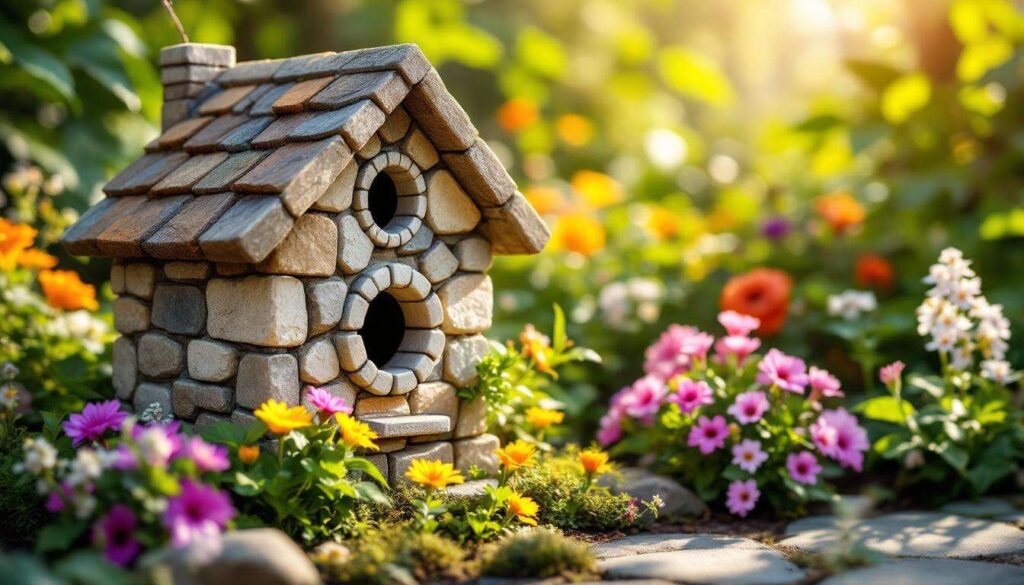
Transforming forgotten materials into functional garden features offers both aesthetic appeal and environmental value. Old stones, particularly millstones that once served agricultural purposes, can be reimagined as attractive water sources for feathered visitors. This approach combines sustainable design with practical wildlife support, creating a focal point that serves multiple purposes whilst reducing waste.
Create a welcoming space for birds in your garden
Understanding bird requirements
Birds require three essential elements to thrive: fresh water, safe shelter, and accessible food sources. A well-designed stone feature addresses the first of these needs whilst contributing to the overall habitat quality. The presence of water attracts numerous species, from robins and blackbirds to sparrows and finches, each bringing movement and song to your outdoor space.
Selecting the optimal location
Placement significantly impacts the success of your bird haven. Consider these critical factors:
- Position the feature within clear sight lines, allowing birds to spot potential predators
- Ensure proximity to trees or shrubs where birds can perch before approaching
- Avoid areas with excessive direct sunlight that causes rapid water evaporation
- Keep the feature at least two metres from dense vegetation where cats might hide
The strategic positioning of your stone bird bath establishes the foundation for creating an environment where birds feel secure enough to visit regularly. Once you’ve identified the perfect spot, attention turns to sourcing appropriate materials.
Choose the right old stones
Identifying suitable millstones
Authentic millstones possess unique characteristics that make them ideal for this purpose. Look for stones with a naturally concave surface on at least one side, as this depression will hold water without requiring extensive modification. The thickness should range between 10 and 20 centimetres to provide stability and durability.
Where to source materials
| Source | Average Cost | Advantages |
|---|---|---|
| Garden centres | £40-£120 | Quality assured, immediate availability |
| Reclamation yards | £30-£80 | Authentic pieces, character features |
| Online marketplaces | £20-£60 | Competitive pricing, local collection |
| Stone merchants | £50-£150 | Professional advice, varied selection |
Assessing stone condition
Examine potential stones carefully for structural integrity. Hairline cracks may add character but significant fractures compromise functionality and safety. The stone should feel solid throughout, without crumbling edges or flaking surfaces. Weight indicates density, with heavier stones generally offering better weather resistance and longevity.
Having selected appropriate stones, the construction phase transforms these raw materials into a functional feature.
Design a stone bird bath
Preparing your materials
Before assembly begins, clean all stones thoroughly using a stiff brush and plain water. Avoid chemical cleaners that might leave residues harmful to birds. Allow the stones to dry completely, which typically requires 24 to 48 hours depending on weather conditions.
Assembly process
The construction follows a straightforward methodology:
- Select the largest stone with the deepest concave surface as your top piece
- Arrange supporting stones to create a stable base approximately 40 to 60 centimetres high
- Apply masonry construction adhesive between each layer, ensuring even coverage
- Press stones firmly together and allow adhesive to cure for the manufacturer’s recommended duration
- Test stability before filling with water
Water depth considerations
The ideal water depth measures between 2.5 and 7.5 centimetres. This range accommodates various bird sizes, from diminutive wrens to larger thrushes. If your top stone’s depression exceeds this depth, consider adding flat pebbles to the base, creating graduated depths that suit different species.
Finishing touches
Apply a bird-safe stone sealant to protect against weathering and prevent algae growth. Products designed for food-contact surfaces ensure safety for wildlife. Allow complete curing before introducing water. Beyond the physical structure, incorporating additional natural elements enhances the feature’s attractiveness.
Integrate natural elements to attract birds
Adding textured surfaces
Place small stones or pebbles within the water basin to provide secure footing for bathing birds. These additions prevent slipping and offer perching spots for smaller species that prefer shallow water. Select smooth river stones rather than sharp-edged gravel to protect delicate feet.
Surrounding vegetation
Plant native species around your stone feature to create a cohesive habitat:
- Berry-producing shrubs like hawthorn and rowan provide natural food sources
- Native flowering plants attract insects that many birds consume
- Evergreen ground cover offers year-round shelter and nesting material
- Climbing plants on nearby structures create vertical habitat layers
Complementary features
Position bird feeders within five to ten metres of your stone bath. This proximity encourages birds to visit the water source after feeding. Install a shallow dish nearby for ground-feeding species that prefer lower access points. Consider adding a small log pile adjacent to the feature, providing habitat for insects that attract insectivorous birds.
Once established, your bird haven requires ongoing attention to remain effective and hygienic.
Maintain and enhance your bird refuge
Regular cleaning schedule
Maintain water quality through consistent care. Empty and refill the bath every two to three days during warm weather, extending to weekly intervals in cooler months. Scrub the stone surface with a dedicated brush, using only hot water to remove algae and debris. This routine prevents disease transmission between visiting birds.
Seasonal adjustments
| Season | Maintenance Tasks | Frequency |
|---|---|---|
| Spring | Deep clean, check adhesive bonds | Weekly |
| Summer | Daily water top-ups, debris removal | Daily |
| Autumn | Remove fallen leaves, prepare for frost | Twice weekly |
| Winter | Break ice, ensure accessibility | As needed |
Winter protection
During freezing conditions, add warm water each morning to provide liquid access. Never use antifreeze or salt, as these substances prove toxic to birds. Consider placing a small ball in the water, as its movement helps delay ice formation. If prolonged frost occurs, temporarily place a shallow dish of tepid water beside the frozen stone feature.
These maintenance efforts support not only individual birds but contribute to broader environmental health.
The ecological benefits of a stone bird shelter
Supporting local biodiversity
Providing reliable water sources supports entire ecosystems. Birds control insect populations, pollinate plants, and disperse seeds throughout your garden and surrounding areas. A single blue tit family consumes thousands of aphids during breeding season, offering natural pest control that reduces reliance on chemical interventions.
Sustainable material reuse
Repurposing old millstones prevents these historical objects from entering landfill whilst eliminating the environmental cost of manufacturing new garden features. Stone requires no ongoing production energy, unlike plastic or metal alternatives that demand regular replacement. This approach exemplifies circular economy principles, extending material lifecycles through creative reimagining.
Educational opportunities
A well-maintained bird bath serves as an outdoor classroom, allowing observation of species behaviour, seasonal migration patterns, and social interactions. Children and adults alike benefit from connecting with wildlife, fostering environmental awareness that extends beyond individual gardens into broader conservation efforts.
Transforming salvaged stone into a functional bird haven demonstrates how simple interventions create meaningful environmental impact. The combination of durable materials, thoughtful design, and consistent maintenance establishes a resource that serves wildlife for years whilst enhancing garden aesthetics. This project proves that sustainability and beauty need not conflict, offering a practical solution that benefits both human observers and feathered visitors throughout changing seasons.