



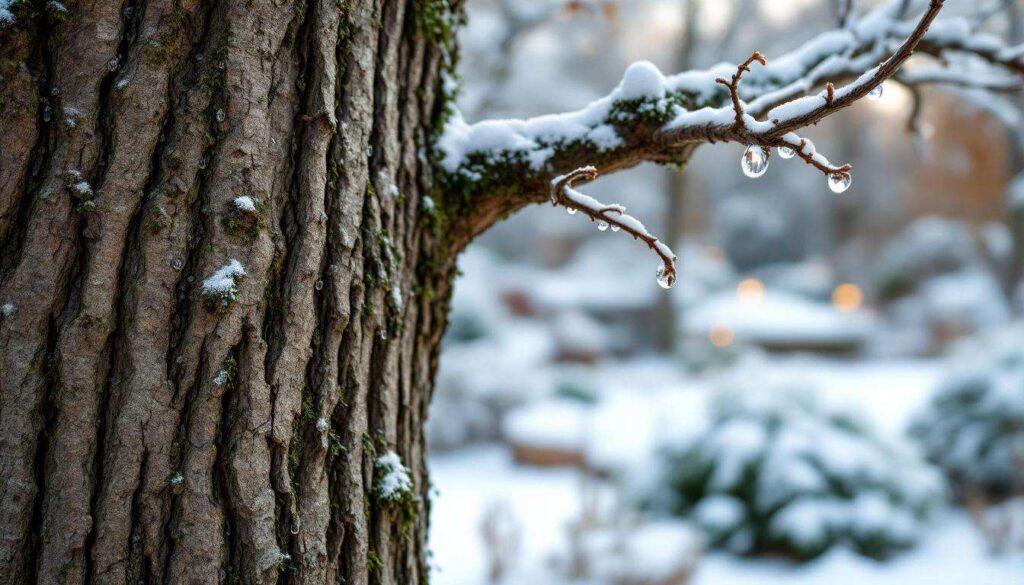
Many gardeners assume that once winter arrives, their trees can be left to fend for themselves until spring. This misconception can prove costly, as trees continue to require adequate moisture even during the coldest months. Whilst growth slows dramatically and deciduous species shed their leaves, the root systems beneath the soil remain active and vulnerable to drought stress. Understanding the importance of winter watering can make the difference between healthy, vigorous trees and specimens that struggle to recover when warmer weather returns.
The necessity of winter tree watering
Why trees need water during dormancy
Although trees enter a period of dormancy during winter, their physiological processes do not cease entirely. Root systems continue to absorb moisture and nutrients, albeit at a reduced rate. This water serves multiple critical functions: it helps maintain cellular integrity, supports minimal metabolic activity, and provides essential insulation against temperature fluctuations. Without adequate moisture, roots can become desiccated, leading to permanent damage that may not become apparent until spring.
The role of soil moisture in temperature regulation
Moist soil acts as a natural insulator, protecting root systems from extreme cold. When soil contains adequate water content, it moderates temperature swings more effectively than dry soil, which can experience rapid and damaging fluctuations. This buffering effect is particularly important for:
- Young trees with developing root systems
- Recently transplanted specimens still establishing themselves
- Evergreen species that continue transpiring throughout winter
- Trees in exposed locations subject to drying winds
The relationship between soil moisture and tree health extends beyond simple hydration, forming a complex protective system that supports survival during harsh conditions.
Understanding trees’ water needs in winter
Variations between tree types
Not all trees have identical water requirements during winter months. Deciduous trees, having shed their foliage, experience minimal transpiration and consequently need less frequent watering than their evergreen counterparts. Conifers and broad-leaved evergreens continue to lose moisture through their needles and leaves, particularly on sunny, windy days when transpiration rates increase despite low temperatures.
| Tree type | Winter water needs | Frequency |
|---|---|---|
| Established deciduous | Low to moderate | Monthly if dry |
| Established evergreens | Moderate | Bi-weekly if dry |
| Newly planted trees | High | Weekly monitoring |
| Container specimens | High | Weekly monitoring |
Factors affecting winter moisture requirements
Several environmental and situational factors influence how much water your trees need during winter. Precipitation patterns vary considerably by region, and what might be adequate rainfall in one area could leave trees in another location dangerously dry. Wind exposure accelerates moisture loss, whilst trees planted near buildings or under eaves may receive little natural precipitation. Soil type also plays a crucial role: sandy soils drain rapidly and require more frequent watering, whereas clay soils retain moisture longer but can become waterlogged.
These varying requirements make it essential to assess each tree individually rather than applying a blanket watering schedule across your entire garden.
When should you water your trees ?
Identifying the right conditions
Timing winter watering correctly requires careful observation and assessment. The ideal moment to water occurs when soil has dried to a depth of several centimetres and temperatures are above freezing. Watering when the ground is frozen proves futile, as water cannot penetrate the soil and may instead create ice that damages surface roots. Focus your efforts on:
- Mild days when temperatures exceed 5°C
- Periods following extended dry spells without precipitation
- Times when the soil feels dry several centimetres below the surface
- Before predicted cold snaps to ensure adequate moisture reserves
Using monitoring tools effectively
A soil moisture metre provides accurate readings of subsurface conditions, eliminating guesswork from your watering decisions. Insert the probe to root depth, typically 15-30 centimetres for most garden trees, and check readings in multiple locations around the tree’s drip line. If readings consistently indicate dry conditions, watering becomes necessary regardless of recent rainfall, as surface moisture may not have penetrated to root level.
With proper timing established, the method of water application becomes the next critical consideration.
Best practices for effective watering
Proper watering techniques
How you water matters as much as when you water. Deep, infrequent watering encourages roots to grow downward, improving drought resistance and stability. Apply water slowly to allow thorough soil penetration rather than rapid runoff. Focus on the area beneath the canopy and slightly beyond, where feeder roots actively absorb moisture. For established trees, this typically means watering the entire root zone, which extends well beyond the visible trunk.
Quantity guidelines
Determining the correct amount of water requires consideration of tree size and soil conditions. As a general guideline:
- Small trees (under 5 metres): 40-60 litres per watering session
- Medium trees (5-10 metres): 80-120 litres per session
- Large trees (over 10 metres): 150-200 litres per session
- Newly planted specimens: 10-15 litres per 2.5 centimetres of trunk diameter
These quantities should be adjusted based on precipitation levels and soil drainage characteristics. Sandy soils may require more frequent applications of smaller amounts, whilst clay soils benefit from less frequent but more substantial watering.
Understanding these techniques helps prevent the serious consequences that arise from neglecting winter hydration.
Risks associated with a lack of water in winter
Immediate damage to root systems
Winter drought stress manifests first in the root zone, where desiccation damages fine feeder roots responsible for water and nutrient absorption. These delicate structures cannot regenerate quickly, meaning damage sustained during winter compromises the tree’s ability to support spring growth. Severe cases result in root death, creating entry points for pathogens and reducing the tree’s structural stability.
Long-term health implications
The consequences of winter water stress extend far beyond the dormant season. Trees weakened by drought become susceptible to secondary problems including:
- Increased vulnerability to pest infestations
- Greater susceptibility to fungal and bacterial diseases
- Reduced vigour and stunted spring growth
- Needle or leaf browning and premature drop
- Die-back of branches and twigs
- Diminished flowering and fruiting capacity
Evergreen species face particular risk, as they continue transpiring throughout winter. Without adequate soil moisture to replace lost water, needles and leaves suffer desiccation damage that appears as browning, particularly on the side exposed to prevailing winds.
Preventing these problems through consistent care proves far easier than attempting remediation after damage occurs.
Predicting future needs with good maintenance
Establishing monitoring routines
Developing a systematic approach to winter tree care ensures you catch potential problems before they become serious. Create a monthly inspection schedule that includes checking soil moisture levels, examining trees for signs of stress, and assessing weather patterns. Keep records of when you water and how much precipitation falls, building a reference that helps predict future needs based on seasonal patterns.
Preparing trees for winter success
Proactive measures taken before winter arrives significantly reduce water stress during the coldest months. Apply a layer of organic mulch around the base of trees, maintaining a gap near the trunk to prevent rot. This mulch conserves soil moisture, moderates temperature fluctuations, and reduces competition from grass and weeds. Ensure trees enter winter well-hydrated by providing deep watering during autumn, particularly if the season has been dry.
Trees maintained properly throughout the year develop stronger, more extensive root systems better equipped to withstand winter challenges and support robust spring growth.
Maintaining adequate soil moisture throughout winter represents a fundamental aspect of responsible tree care that many gardeners overlook. By understanding the ongoing water needs of dormant trees, recognising when supplemental watering becomes necessary, and applying water effectively, you protect your investment and ensure healthy, vigorous specimens. The effort required remains minimal compared to the benefits gained: trees that emerge from winter ready to flourish rather than struggling to recover from preventable stress. Regular monitoring, appropriate watering techniques, and proactive maintenance create the foundation for a thriving landscape that rewards your attention with years of beauty and vitality.