

Gardening enthusiasts constantly seek innovative ways to display their beloved plants whilst adding character to outdoor spaces. Repurposing everyday garden items offers an economical and environmentally conscious approach to creating distinctive planters and plant stands. This practice not only reduces waste but also introduces personality and charm into gardens of all sizes. From forgotten tools to worn furniture, numerous objects can be transformed into functional and aesthetically pleasing plant displays that rival shop-bought alternatives.
Transform a ladder into a vertical garden
Selecting the right ladder for your project
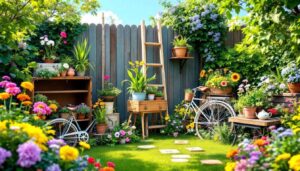
Old wooden ladders present excellent opportunities for vertical gardening, particularly in spaces where ground area is limited. Step ladders work brilliantly as freestanding units, whilst straight ladders can be propped against walls or fences. Before beginning your transformation, inspect the ladder thoroughly for structural integrity, ensuring rungs remain secure and wood shows no signs of dangerous deterioration. Vintage ladders with weathered finishes often provide the most appealing aesthetic, though newer models can be distressed with sandpaper and stain to achieve a similar effect.
Arranging plants on ladder rungs
The configuration of plants on your ladder stand requires thoughtful consideration:
- Place heavier pots on lower rungs to maintain stability and prevent toppling
- Position trailing plants such as ivy or string of pearls on upper levels to create cascading effects
- Utilise hooks screwed into ladder sides for hanging baskets
- Arrange herbs on middle rungs for convenient kitchen access
- Group plants with similar watering requirements together
This vertical arrangement maximises space whilst creating a stunning focal point that draws the eye upward, making gardens appear larger and more dynamic. The varied heights allow different plant species to receive appropriate light levels according to their individual needs.
Give new life to your gardening boots
Preparing wellington boots as planters
Worn wellington boots and rubber gardening boots offer quirky containers for smaller plants and herbs. The waterproof nature of these boots requires modification to prevent waterlogging. Drill three to five drainage holes in the sole using a power drill, ensuring excess moisture can escape freely. Clean the interior thoroughly, removing any dirt or debris that might harbour bacteria harmful to plant roots. For added visual interest, paint boots in vibrant colours or leave them in their original state for a rustic appearance.
Ideal plants for boot planters
| Plant Type | Boot Size | Growing Conditions |
|---|---|---|
| Herbs (basil, parsley) | Adult wellington | Full sun, regular watering |
| Succulents | Children’s boots | Bright light, minimal water |
| Spring bulbs | Any size | Partial shade, moderate water |
| Trailing plants | Tall boots | Varies by species |
These characterful planters work particularly well when displayed in groups, creating a whimsical garden vignette that never fails to spark conversation. Children’s boots prove especially charming when planted with colourful annuals or small vegetables like cherry tomatoes.
Turn wheelbarrow tyres into original stands
Creating tiered displays with old tyres
Discarded wheelbarrow tyres, though smaller than vehicle tyres, provide perfectly proportioned containers for creative planting schemes. Stack two or three tyres of decreasing sizes to form a tiered pyramid structure, securing each level with outdoor adhesive or metal brackets. Paint tyres in coordinating colours to match your garden scheme, or leave them black for a contemporary look. The rubber material retains warmth, making these planters particularly suitable for heat-loving plants such as tomatoes, peppers, and Mediterranean herbs.
Advantages of tyre planters
Tyre planters offer several practical benefits that make them increasingly popular amongst gardeners:
- Excellent drainage when holes are added to the base
- Durable construction withstands harsh weather conditions
- Raised design deters ground-dwelling pests
- Dark colour absorbs heat, extending growing seasons
- Flexible rubber expands as plants grow
- Cost-effective solution using freely available materials
Position tyre planters strategically throughout your garden to create visual rhythm and continuity, linking different areas through repeated design elements.
Use buckets for multifunction planters
Preparing metal and plastic buckets
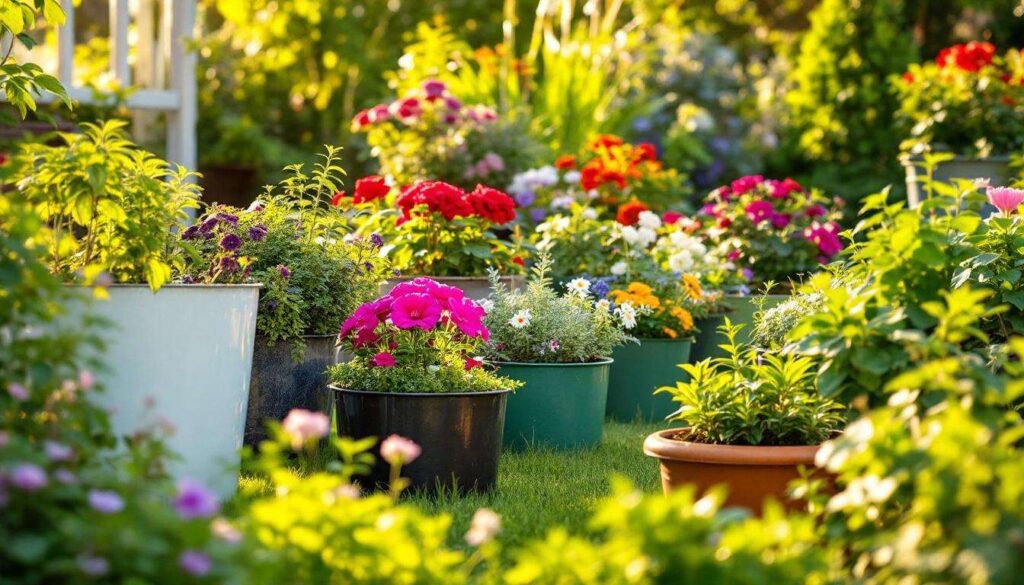
Both galvanised metal buckets and plastic containers serve as versatile planters suitable for various gardening applications. Metal buckets develop attractive patinas over time, whilst plastic versions offer lightweight portability. Drill drainage holes approximately two centimetres from the base, spacing them evenly around the circumference. Add a layer of gravel or broken pottery shards before filling with compost to improve drainage further. Vintage milk pails and coal scuttles present particularly appealing options for cottage garden aesthetics.
Creative bucket arrangements
| Bucket Type | Best Uses | Display Ideas |
|---|---|---|
| Large galvanised | Shrubs, small trees | Statement pieces on patios |
| Medium metal | Vegetable crops | Kitchen garden rows |
| Small decorative | Herbs, flowers | Windowsill displays |
| Plastic builders’ buckets | Root vegetables | Practical growing areas |
Hang smaller buckets from fence posts or shepherd’s hooks to create dynamic vertical interest, or group various sizes together on steps for a graduated display that guides visitors through your garden.
Give a new purpose to a watering can
Selecting suitable watering cans
Retired watering cans, whether they leak or simply no longer serve their original function, make delightful planters that celebrate gardening heritage. Vintage metal cans with decorative detailing prove especially attractive, though modern plastic versions work equally well for informal settings. The spout provides natural drainage, though additional holes may be necessary depending on plant requirements. Position cans at slight angles to prevent water pooling and encourage proper drainage through the spout opening.
Planting schemes for watering cans
The unique shape of watering cans lends itself to specific planting approaches:
- Fill with trailing petunias or lobelia that cascade from the spout
- Plant spring bulbs for early season colour
- Create miniature fairy gardens with tiny accessories
- Grow culinary herbs for convenient kitchen access
- Establish succulent collections in smaller cans
These nostalgic containers work beautifully when displayed on shelving units, potting benches, or garden tables, where their charming profiles can be fully appreciated. Multiple watering cans in varying sizes create cohesive collections that unify garden design.
Discover the potential of wooden pallets in your garden
Constructing vertical pallet planters
Wooden shipping pallets offer remarkable versatility for creating substantial planting structures. Stand pallets vertically against walls or fences, securing them firmly with brackets to prevent accidents. Line the back and sides with landscape fabric, stapling it securely to contain soil whilst allowing drainage. Fill the gaps between slats with compost, planting directly into these spaces. This method proves particularly effective for growing strawberries, salad leaves, and herbs, creating productive gardens in minimal space.
Safety and preparation considerations
Before using pallets in your garden, verify their safety and suitability:
- Check for heat treatment stamps (HT) rather than chemical treatment (MB)
- Sand rough surfaces to prevent splinters
- Apply outdoor wood stain or preservative to extend lifespan
- Inspect for protruding nails and remove or hammer flat
- Ensure pallets are structurally sound without cracked boards
- Clean thoroughly to remove any contaminants
Alternative pallet configurations
| Configuration | Difficulty Level | Ideal Plants |
|---|---|---|
| Vertical wall garden | Moderate | Herbs, succulents, flowers |
| Horizontal raised bed | Easy | Vegetables, salads |
| Tiered plant stand | Advanced | Mixed ornamentals |
| Herb spiral | Moderate | Culinary herbs |
Pallet projects can be adapted to suit various skill levels and garden requirements, from simple leaning structures to complex multi-tiered arrangements. The natural wood texture complements most garden styles, from contemporary to cottage, making pallets universally applicable design elements.
Repurposing common garden items into creative planters and stands represents both an economical approach to garden design and an environmentally responsible practice. These transformations breathe new life into forgotten objects whilst creating unique focal points that reflect personal style. From vertical ladder gardens maximising limited space to charming boot planters adding whimsy, each project offers opportunities for creativity and self-expression. The versatility of items such as buckets, watering cans, tyres, and pallets demonstrates that beautiful gardens need not require significant financial investment. By viewing everyday objects through a creative lens, gardeners can craft distinctive outdoor spaces filled with character and sustainable charm.