



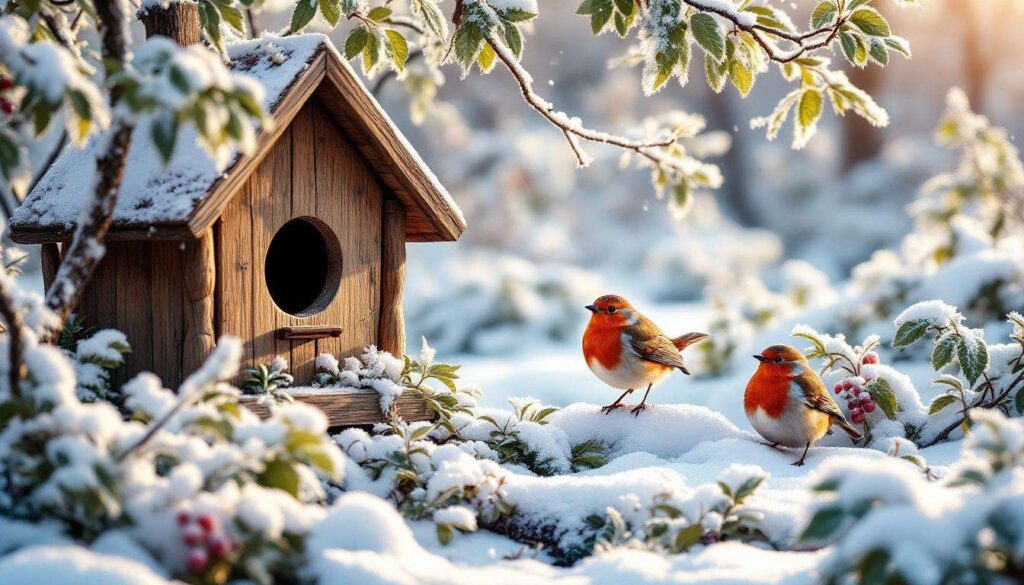
The sight of a robin perched on a garden fence, its vibrant red breast contrasting against the stark winter landscape, has long been cherished by British households. These beloved birds become particularly visible during the colder months, yet their apparent cheerfulness masks a daily struggle for survival. As temperatures plummet and the ground hardens, robins face increasingly difficult conditions that threaten their ability to find sufficient food. A straightforward five-minute morning routine can transform your garden into a vital feeding station, ensuring these delightful visitors return each day throughout the harshest winter weeks.
Why robins need help in winter
The harsh reality of winter survival
Robins endure extraordinary challenges during freezing weather, particularly in January when conditions reach their most severe. Unlike many other bird species that migrate to warmer climates, robins remain in Britain throughout winter, relying entirely on local food sources to sustain themselves. The metabolic demands placed upon these small birds are considerable, requiring them to consume between one-third and half of their body weight daily simply to maintain their core temperature and energy levels.
Food scarcity during frozen periods
When frost penetrates the soil and ice covers the ground, the natural food supply becomes dramatically restricted. Earthworms, beetles, and other invertebrates that form the staple diet of robins retreat deeper underground, beyond the reach of these birds’ delicate beaks. This scarcity creates a critical situation where robins must expend more energy searching for food than they can replace through their findings, leading to a dangerous cycle of depletion.
| Temperature Range | Daily Food Requirement | Survival Challenge |
|---|---|---|
| Above 5°C | 33% of body weight | Moderate |
| 0°C to 5°C | 40% of body weight | High |
| Below 0°C | 50% of body weight | Critical |
Understanding these pressures highlights why human intervention through simple garden practices becomes not merely helpful but potentially life-saving for local robin populations.
How to prepare your garden to attract robins
Creating a welcoming environment
Establishing a robin-friendly garden requires thoughtful consideration of both shelter and feeding opportunities. Dense shrubs and hedgerows provide essential cover where robins can retreat from predators and harsh weather. Native plant species such as hawthorn, holly, and ivy offer dual benefits, providing both protective cover and natural food sources through their berries.
Strategic feeding station placement
The positioning of feeding areas significantly influences whether robins will frequent your garden. These territorial birds prefer open ground with nearby cover, allowing them to spot potential threats whilst feeding. Consider the following placement strategies:
- Position feeding areas within three metres of protective shrubs or hedges
- Ensure clear sightlines to allow robins to monitor their surroundings
- Avoid placing feeders directly beneath trees where predators might lurk
- Create multiple small feeding spots rather than one large station to accommodate territorial behaviour
Water provision essentials
Access to unfrozen water remains crucial throughout winter months. Robins require regular hydration and also use shallow water for bathing, which helps maintain their plumage insulation. Check water containers daily, breaking ice and refreshing supplies to ensure constant availability. Shallow dishes work best, as robins prefer bathing in water no deeper than their legs.
With these foundational elements established, implementing a daily feeding routine becomes the final component in creating an irresistible haven for these charming birds.
A simple task to feed robins in winter
The five-minute soil aeration technique
The most effective method for assisting robins requires minimal time yet delivers maximum impact. Using a garden fork to turn over a small section of soil exposes the invertebrates that robins desperately seek during frozen conditions. This practice, which takes approximately five minutes each morning, breaks through the frost-hardened surface layer and brings worms, grubs, and beetles within easy reach of hungry birds.
Select an area roughly one square metre in size, preferably in a location where you have previously observed robin activity. Insert the fork to a depth of approximately fifteen centimetres and turn the soil gently, breaking up compacted earth. This disturbance mimics natural foraging conditions that robins would exploit in woodland environments, where larger animals disturb the ground.
Supplementary food offerings
Whilst soil aeration provides access to natural prey, supplementing with specific foods enhances the nutritional support available to visiting robins. The following items prove particularly beneficial:
- Live or dried mealworms, which replicate natural invertebrate prey
- Sunflower hearts offering high-energy fats
- Specialist robin food mixes containing seeds, suet, and dried insects
- Grated mild cheese in small quantities
- Soaked sultanas and raisins during particularly harsh weather
Avoid offering bread, which provides minimal nutritional value and can cause digestive problems. Similarly, salted or flavoured foods should never be provided, as they can prove harmful to small birds.
Timing and consistency
Robins establish feeding routines quickly and return to reliable food sources at predictable times. Performing your soil-turning task at the same time each morning, ideally shortly after dawn, allows robins to anticipate this opportunity. Consistency proves more valuable than occasional generous offerings, as it enables birds to incorporate your garden into their daily survival strategy.
Beyond the immediate feeding benefits, establishing this morning ritual brings unexpected rewards to those who maintain it throughout the season.
The benefits of a five-minute morning routine
Observing natural behaviour up close
Regular soil aeration creates opportunities to witness robin behaviour at remarkably close quarters. These bold birds often approach within a metre or two of gardeners, their confidence increasing as they associate human activity with food availability. Watching a robin extract a worm from freshly turned soil provides a connection to natural processes that many find deeply satisfying.
Supporting broader garden health
The practice of turning soil delivers benefits extending beyond robin welfare. This gentle cultivation:
- Improves soil structure and aeration for spring planting
- Incorporates organic matter gradually throughout winter
- Identifies potential pest problems before they escalate
- Prevents soil compaction in high-traffic areas
Gardeners effectively combine wildlife support with essential ground preparation, making efficient use of time whilst advancing multiple objectives simultaneously.
Mental wellbeing advantages
The psychological benefits of this brief morning interaction with nature should not be underestimated. Stepping outdoors for five minutes provides a structured break from indoor routines, offering fresh air, gentle physical activity, and the pleasure of purposeful action. Many practitioners report that watching robins respond to their efforts provides a sense of achievement and connection to the wider natural world that enhances overall wellbeing during darker months.
These individual efforts, when multiplied across communities, contribute to broader conservation outcomes that specialists continue to monitor and encourage.
The role of wildlife experts in protecting robins
Research and monitoring programmes
Conservation organisations conduct extensive research into robin populations, tracking numbers, breeding success, and survival rates across different regions. This data informs public guidance on best practices for supporting these birds, ensuring that recommendations reflect current scientific understanding rather than outdated assumptions. Annual surveys rely partly on reports from garden birdwatchers, creating a valuable partnership between professional researchers and engaged citizens.
Educational initiatives and public engagement
Wildlife experts develop educational materials that help the public understand robin ecology and appropriate support methods. These initiatives address common misconceptions, such as the belief that feeding birds makes them dependent or that certain foods prove beneficial when they actually cause harm. Clear, evidence-based guidance enables well-intentioned individuals to provide genuinely helpful assistance rather than inadvertently creating problems.
Habitat conservation efforts
Beyond garden-scale interventions, conservation professionals work to protect larger habitats essential for robin populations. Woodland management, hedgerow preservation, and the creation of wildlife corridors all contribute to maintaining healthy robin numbers. Garden feeding stations complement rather than replace these broader habitat requirements, providing supplementary support during critical periods whilst larger conservation efforts address fundamental environmental needs.
Individual gardeners can extend their impact by maintaining conditions that support robins not just during morning feeding sessions but throughout the entire winter period.
Maintaining your garden’s appeal throughout winter
Adapting to changing conditions
Winter weather varies considerably, requiring flexible approaches to garden management. During mild spells, robins find natural food more easily and may visit feeding stations less frequently. Conversely, during prolonged freezes or snowfall, intensifying support becomes crucial. Monitor weather forecasts and increase feeding efforts when severe conditions approach, turning soil in multiple locations if possible.
Seasonal food source provision
Different stages of winter offer varying natural food availability. Early winter typically provides berries and fruits from autumn-fruiting plants, whilst late winter sees these supplies exhausted. Planting a succession of berry-producing shrubs ensures continuous natural food sources:
- Cotoneaster and pyracantha for early winter berries
- Holly providing mid-winter sustenance
- Ivy flowers and berries supporting late winter needs
Hygiene and disease prevention
Maintaining clean feeding areas prevents disease transmission between visiting birds. Remove uneaten food daily, particularly perishable items like mealworms that can spoil. Clean feeding dishes weekly using mild disinfectant, rinsing thoroughly before refilling. Move feeding locations periodically to prevent waste accumulation in any single spot, reducing disease risk whilst distributing the soil improvement benefits across your garden.
The cumulative effect of these practices creates a garden environment where robins not only survive but thrive, rewarding your efforts with their presence and song throughout the coldest months.
Implementing a five-minute morning routine of soil aeration provides robins with crucial access to invertebrate food when natural foraging becomes nearly impossible during frozen conditions. This simple practice, combined with supplementary feeding, fresh water provision, and thoughtful garden management, transforms outdoor spaces into vital refuges for these beloved birds. The benefits extend beyond robin welfare, improving soil condition, supporting broader biodiversity, and offering gardeners meaningful connection to natural cycles. By understanding the severe challenges robins face during winter and responding with consistent, informed action, individuals make tangible contributions to local wildlife conservation whilst enjoying the daily pleasure of observing these characterful birds at close quarters.