

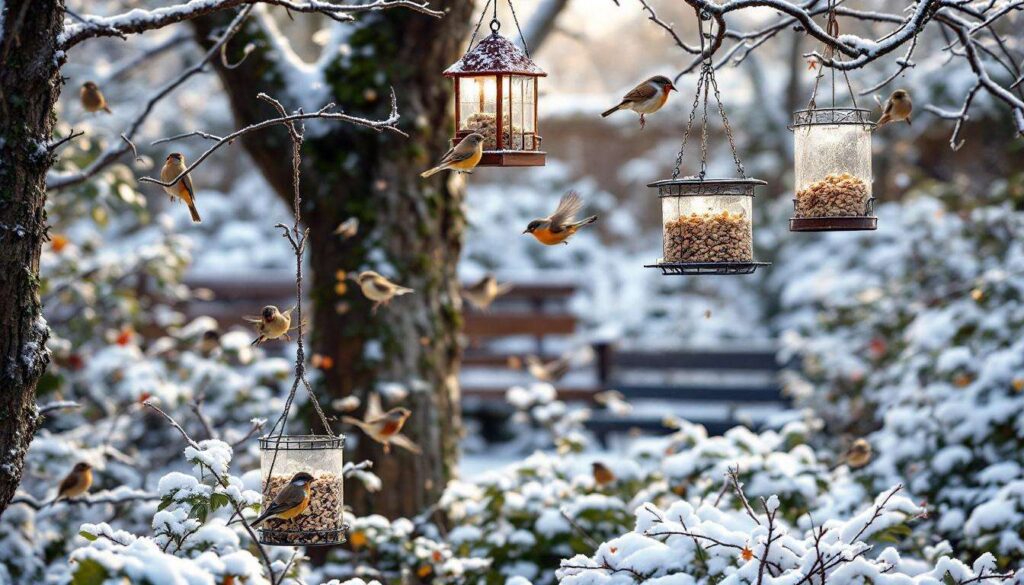
As winter settles across the countryside, garden birds face their most challenging season. Plummeting temperatures and dwindling natural food sources make survival a daily struggle for these feathered visitors. By transforming your outdoor space into a feeding station, you can provide essential support during these harsh months whilst enjoying the rewarding spectacle of avian activity just beyond your window.
The importance of feeding birds in winter
Survival challenges during cold months
Winter presents formidable obstacles for bird populations. Frozen ground conceals invertebrates, whilst seeds and berries become increasingly scarce as the season progresses. Birds require significantly more energy during cold weather simply to maintain their body temperature, yet food availability diminishes precisely when their caloric needs peak.
The physiological demands are substantial. Small birds can lose up to 10% of their body weight overnight during freezing conditions. Without adequate nutrition to replenish these reserves, mortality rates climb sharply. Garden feeding stations can mean the difference between survival and starvation for many species.
Benefits beyond bird welfare
Providing winter sustenance offers advantages beyond avian conservation:
- Natural pest control as birds consume overwintering insects and larvae
- Educational opportunities for children to observe wildlife behaviour
- Enhanced garden biodiversity throughout the year
- Mental wellbeing benefits from connecting with nature
Research demonstrates that gardens with consistent feeding programmes support greater species diversity and healthier bird populations. Your contribution, however modest, forms part of a vital network sustaining wildlife through challenging periods.
Recognising why birds need assistance naturally leads to understanding what specific nutrients they require to thrive.
Understanding the dietary needs of garden birds
Energy requirements in cold weather
Birds possess remarkably high metabolic rates, and winter amplifies their energy expenditure. To survive freezing nights, they must accumulate sufficient fat reserves during daylight hours. This demands foods rich in calories, particularly fats and oils that provide concentrated energy.
| Nutrient Type | Primary Function | Winter Importance |
|---|---|---|
| Fats and oils | Energy storage, insulation | Critical for overnight survival |
| Proteins | Muscle maintenance, feather condition | Essential for body repair |
| Carbohydrates | Immediate energy | Quick fuel for foraging |
Species-specific preferences
Different bird species have evolved distinct feeding strategies and beak structures suited to particular food types. Finches crack seeds efficiently, whilst thrushes prefer softer fruits. Insectivorous species such as robins and wrens seek protein-rich alternatives when insects disappear.
Understanding these preferences enables you to cater for diverse visitors. A varied menu attracts multiple species, creating a dynamic feeding environment whilst ensuring no bird goes hungry due to unsuitable offerings.
Armed with this knowledge, we can explore specific foods that meet these nutritional demands, beginning with a garden staple.
Sunflower seeds: an essential choice
Nutritional composition and benefits
Sunflower seeds rank amongst the most valuable foods for winter bird feeding. Their high oil content delivers concentrated energy, whilst their protein levels support muscle maintenance. Black sunflower seeds, in particular, contain approximately 40% fat and 20% protein, making them nutritionally superior to striped varieties.
The thin shells of black sunflower seeds require less energy to crack, allowing smaller birds to access the nutritious kernel efficiently. This accessibility makes them suitable for a broad range of species.
Which birds benefit most
Sunflower seeds attract an impressive variety of garden visitors:
- Finches, including greenfinches and goldfinches
- Tits such as blue tits, great tits and coal tits
- Nuthatches and sparrows
- Siskins during irruption years
Presentation methods
Offering sunflower seeds in appropriate feeders maximises their effectiveness. Tube feeders with multiple perches accommodate several birds simultaneously, whilst ground feeding caters for species like dunnocks that prefer foraging at lower levels. Ensure feeders have drainage holes to prevent seed spoilage during wet weather.
Whilst sunflower seeds provide excellent nutrition, another protein-rich option deserves equal consideration in your feeding strategy.
Peanuts: a valuable energy source
Protein and fat content
Peanuts deliver exceptional nutritional value, containing approximately 25% protein and 50% fat. This combination provides both immediate energy and sustained fuel for maintaining body temperature overnight. The caloric density makes peanuts particularly valuable during severe cold snaps when birds need maximum nutrition from minimal feeding time.
Critical safety considerations
Never offer salted, dry-roasted or flavoured peanuts, as salt content can prove fatal to birds. Only purchase peanuts from reputable suppliers guaranteeing aflatoxin-free products, as this fungal toxin poses serious health risks.
During breeding season, whole peanuts present choking hazards for nestlings. Use mesh feeders year-round to ensure birds extract small, manageable pieces rather than attempting to swallow whole nuts.
Preferred species
Peanuts prove irresistible to numerous garden birds:
- Tits of all varieties
- Woodpeckers, including great spotted woodpeckers
- Nuthatches with their distinctive feeding behaviour
- Starlings and house sparrows
Beyond individual food types, combining various seeds creates opportunities to welcome an even broader range of species.
Seed mixes: adapting to each species
Composition of quality mixes
Premium seed mixes contain diverse ingredients targeting multiple species simultaneously. Look for blends featuring sunflower hearts, nyjer seeds, millet, and kibbled maize. Avoid cheap mixes bulked with wheat, barley and split peas, which many birds reject, creating wasteful mess beneath feeders.
| Seed Type | Attracted Species | Nutritional Benefit |
|---|---|---|
| Nyjer seeds | Goldfinches, siskins | High oil content |
| Millet | Sparrows, dunnocks | Carbohydrates for energy |
| Sunflower hearts | Most species | Fats and proteins |
Specialist blends for specific needs
Consider offering species-specific mixes alongside general-purpose blends. Finch mixes emphasise nyjer and small seeds, whilst robin and songbird blends incorporate suet pellets and dried insects. This targeted approach ensures optimal nutrition for all visitors.
Storage and freshness
Store seed mixes in sealed, waterproof containers away from damp conditions. Mouldy or spoiled seed can transmit diseases. Purchase quantities you can use within four to six weeks, ensuring birds always receive fresh, palatable food.
However nutritious your food offerings, birds cannot survive on sustenance alone—hydration remains equally vital.
Water: a crucial element for birds
Hydration needs throughout winter
Birds require fresh water daily for drinking and bathing, regardless of temperature. Natural sources frequently freeze solid during winter, leaving birds desperately seeking accessible water. Dehydration poses as serious a threat as starvation, particularly for birds consuming dry seeds that require water for digestion.
Maintaining ice-free water supplies
Several strategies prevent water from freezing:
- Position birdbaths in sunny locations where sunlight provides natural warming
- Float a tennis ball on the surface—movement delays ice formation
- Pour warm (not boiling) water onto ice to create drinking access
- Consider purpose-built heated birdbaths for sustained freezing periods
Never add salt, antifreeze or glycerine to prevent freezing, as these substances prove toxic to birds.
Bathing behaviour in cold weather
Birds bathe even during winter to maintain feather condition. Clean, well-maintained plumage provides superior insulation. Ensure water depth remains shallow—2.5 to 5 centimetres proves ideal, allowing birds to bathe safely without risk of becoming waterlogged in freezing conditions.
Hygiene and disease prevention
Clean birdbaths regularly using diluted disinfectant suitable for wildlife use. Stagnant water harbours bacteria and parasites that spread diseases amongst congregating birds. Fresh water changed daily maintains hygienic conditions that protect bird health.
By providing comprehensive support through varied foods and reliable water sources, your garden becomes a genuine sanctuary where birds can weather winter’s challenges. The collective effort of countless gardeners creates a landscape-scale safety net, sustaining populations through their most vulnerable months whilst offering the privilege of observing these remarkable creatures at close quarters. Start today—the birds visiting your garden tomorrow will thank you through their continued presence and vibrant activity.