
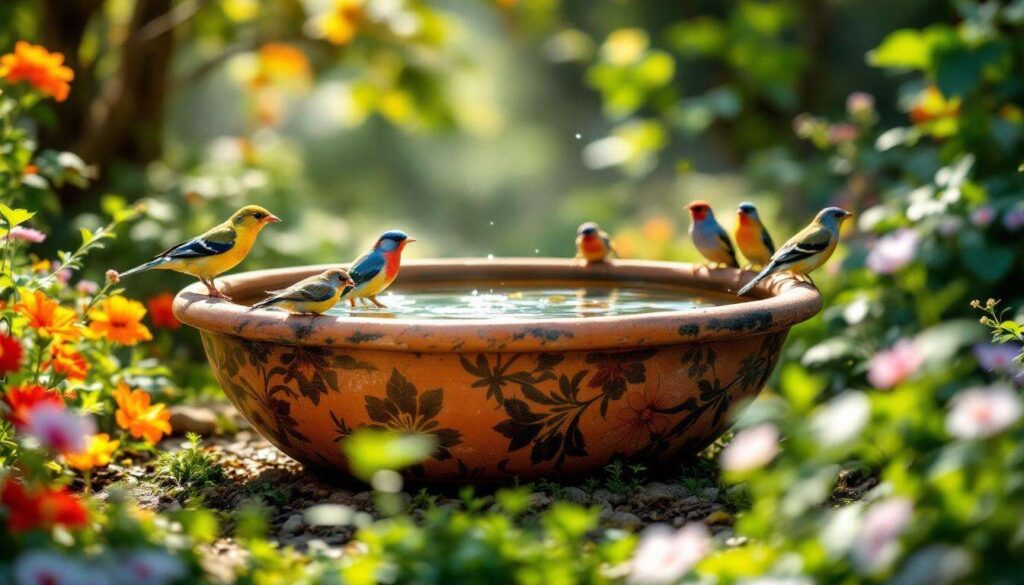
Transform forgotten ceramics gathering dust in your shed into a charming garden centrepiece that serves both aesthetic and ecological purposes. An old crock, once relegated to storage or destined for disposal, can become a delightful water feature that draws feathered visitors whilst adding character to your outdoor space. This sustainable approach to garden design combines practicality with environmental responsibility, offering a budget-friendly alternative to expensive commercial fountains whilst contributing meaningfully to local wildlife conservation.
Why repurpose an old crock as a garden feature
Environmental and economic advantages
Repurposing vintage ceramics addresses multiple concerns simultaneously. Reducing waste remains paramount as landfills continue to struggle with non-biodegradable materials. Ceramic crocks, built to last generations, deserve renewed purpose rather than disposal. This approach aligns perfectly with circular economy principles, transforming potential waste into functional garden art.
Financial benefits prove equally compelling. Commercial bird baths and water features typically range from fifty to several hundred pounds, whereas repurposed crocks cost nothing if sourced from your own storage or minimal amounts from charity shops and car boot sales. The investment required extends only to a small water pump, usually available for under thirty pounds.
Aesthetic versatility in garden design
Traditional crocks possess inherent visual appeal with their rustic glazes and substantial forms. Their timeless aesthetic complements various garden styles, from cottage gardens to contemporary minimalist spaces. The weathered patina of aged ceramics adds instant character that new purchases cannot replicate, creating focal points that appear naturally integrated rather than recently installed.
Understanding these multifaceted benefits establishes why this project merits consideration for any garden enthusiast seeking sustainable improvements.
Choosing the right location to attract birds
Visibility and safety considerations
Strategic placement determines success in attracting avian visitors. Position your crock where birds feel secure whilst approaching and drinking. Ideal locations include:
- Areas with nearby shrubs or trees providing escape routes from predators
- Spots visible from windows for your viewing pleasure
- Locations at least two metres from dense ground cover where cats might hide
- Positions receiving partial shade to prevent excessive water evaporation
Accessibility and maintenance factors
Practical considerations influence long-term sustainability. Ensure electrical access if installing a pump, though solar-powered options eliminate this constraint. The location should allow easy refilling and cleaning without requiring awkward manoeuvres through planted borders. Level ground prevents tilting and ensures proper pump function.
| Location factor | Optimal condition | Reason |
|---|---|---|
| Distance from feeders | 3-5 metres | Reduces competition and mess |
| Sun exposure | Partial shade | Prevents algae growth and evaporation |
| Height from ground | 30-60 cm | Deters ground predators |
With location determined, attention turns to creating the actual water feature that will entice birds throughout the seasons.
Create a water feature with your old crock
Essential materials and tools
Gather necessary components before commencing construction. Required items include a submersible fountain pump rated between 80-200 litres per hour, flexible tubing compatible with your pump, and a flat stone or tile for birds to perch upon. Optional additions include decorative pebbles, aquatic plants in small pots, and a fountain head attachment for varied water patterns.
Inspect your crock thoroughly for cracks or chips. Minor imperfections add character, but significant damage may cause leaks or sharp edges dangerous to wildlife. Clean the vessel thoroughly using diluted white vinegar rather than harsh chemicals that might harm birds.
Assembly instructions
Construction follows straightforward steps accessible to novice DIY enthusiasts:
- Place the pump at the crock’s base, ensuring the electrical cord exits safely
- Fill the crock with water to approximately 5 cm below the rim
- Position a flat stone atop the pump, creating a landing platform whilst concealing the mechanism
- Adjust pump flow rate to achieve gentle bubbling rather than aggressive splashing
- Add smooth pebbles around the stone for additional perching options
Test the feature for several hours, monitoring water levels and adjusting flow as needed. The gentle sound of moving water proves irresistible to birds whilst the bubbling action prevents mosquito breeding.
Once functional, personalisation transforms this practical feature into a unique garden statement.
Personalise your garden with a unique design
Decorative enhancements
Individual creativity distinguishes your feature from standard installations. Consider painting waterproof designs on the exterior using ceramic paints, incorporating patterns that complement existing garden themes. Mosaic tiles adhered around the rim create Mediterranean flair, whilst natural materials like driftwood or interesting stones maintain rustic aesthetics.
Surrounding plantings enhance visual impact. Low-growing herbs such as thyme or chamomile release pleasant scents when brushed by visiting birds. Shade-tolerant ferns or hostas provide lush backdrops in partially shaded locations.
Seasonal adaptations
Modify your feature throughout the year to maintain interest and functionality. During winter, remove the pump and use the crock as a feeding station with seed trays. Spring welcomes flowering bulbs planted around the base, whilst summer benefits from floating plants that provide shade and reduce algae. Autumn decorations might include colourful leaves or small gourds arranged artistically.
Maintaining these personalised touches requires consistent attention to ensure continued success.
Tips for maintaining your setup sustainably
Regular cleaning routines
Establish weekly maintenance schedules during active seasons. Remove debris such as fallen leaves, check water levels, and observe pump function. Monthly deep cleaning involves emptying the crock completely, scrubbing interior surfaces with a stiff brush, and rinsing the pump filter. Avoid chemical cleaners; natural alternatives like baking soda effectively remove algae without environmental harm.
Water conservation strategies
Implement sustainable practices that reduce resource consumption:
- Collect rainwater in barrels for refilling rather than using mains supply
- Position the feature where overflow waters nearby plants
- Adjust pump timers to operate during peak bird activity periods only
- Use shallow water depths sufficient for drinking without excessive evaporation
Winter preparation protects your investment. Before freezing temperatures arrive, drain the system completely, clean all components, and store the pump indoors. Cover the empty crock or bring it under shelter to prevent frost damage.
These maintenance efforts support broader ecological benefits that extend beyond mere aesthetics.
The benefits for your garden’s biodiversity
Supporting local bird populations
Reliable water sources prove essential for avian survival, particularly during drought periods or harsh winters when natural sources freeze. Your feature supports diverse species including robins, blackbirds, blue tits, and goldfinches. Moving water especially attracts insect-eating birds that might otherwise overlook still baths, increasing the variety of visitors to your garden.
Broader ecological impacts
Benefits extend beyond birds themselves. Healthy bird populations control insect pests naturally, reducing reliance on chemical interventions. Birds distribute seeds throughout your garden, promoting plant diversity. Their presence indicates a thriving ecosystem, as birds serve as environmental health indicators.
| Biodiversity benefit | Impact |
|---|---|
| Pest control | Reduces aphids, caterpillars, and slugs |
| Pollination assistance | Some species aid flower pollination |
| Soil enrichment | Droppings provide natural fertiliser |
| Educational value | Encourages wildlife observation and learning |
Creating habitat corridors through connected gardens strengthens regional wildlife networks, making individual contributions part of larger conservation efforts.
Embrace this rewarding project that merges creativity with conservation. By repurposing a simple ceramic vessel, you establish a vital resource for local wildlife whilst crafting a distinctive garden feature that reflects personal style. The modest investment of time and minimal expense yields substantial returns through enhanced biodiversity, natural pest management, and the simple pleasure of observing nature’s visitors. Start exploring storage spaces and local markets today to discover the perfect crock awaiting transformation into your garden’s newest attraction.