
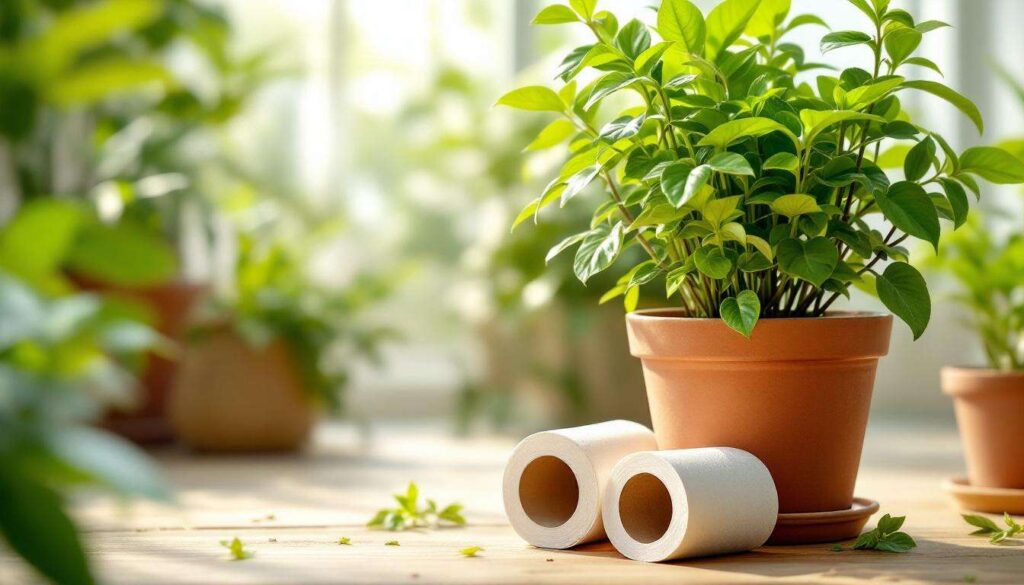
Simple household items often hold untapped potential for transforming gardening practices. The humble toilet paper roll, typically discarded without a second thought, has emerged as a remarkably effective tool for cultivating healthier plants. This ingenious approach combines environmental responsibility with practical gardening solutions, offering benefits that extend from seedling propagation to pest management.
The importance of recycling in the kitchen garden
Environmental benefits of reusing household materials
Gardeners increasingly recognise that sustainable practices begin with resourcefulness. Recycling everyday items such as toilet paper rolls reduces waste whilst providing cost-effective alternatives to commercial gardening products. This approach aligns perfectly with the principles of circular economy, where materials serve multiple purposes before eventual decomposition.
The environmental advantages extend beyond simple waste reduction:
- Decreased reliance on plastic pots and containers
- Lower carbon footprint through reduced manufacturing demand
- Natural biodegradation that enriches soil composition
- Minimised transportation costs associated with purchasing new supplies
Economic advantages for home gardeners
Budget-conscious gardeners appreciate that toilet paper rolls cost absolutely nothing beyond their original purchase. Unlike expensive seed trays or biodegradable pots available at garden centres, these cardboard cylinders accumulate naturally in every household. The savings become particularly significant when starting large quantities of seedlings for vegetable patches or flower borders.
Understanding these foundational benefits naturally leads to exploring the practical transformation of this ordinary object into an extraordinary gardening asset.
How a toilet paper roll becomes an ecological ally
The science behind cardboard decomposition
Toilet paper rolls consist of unbleached or minimally processed cardboard, making them ideal for direct soil contact. The material breaks down gradually when exposed to moisture and soil microorganisms, typically decomposing within six to eight weeks. This timeline perfectly matches the growth cycle of most seedlings, allowing roots to penetrate the softening cardboard as plants mature.
| Material property | Gardening benefit |
|---|---|
| Porous structure | Allows air circulation to developing roots |
| Moisture retention | Maintains consistent hydration levels |
| Biodegradability | Eliminates transplant shock |
| Carbon content | Enriches soil as it decomposes |
Compatibility with organic gardening principles
For those committed to chemical-free cultivation, toilet paper rolls present a completely natural solution. Unlike some commercial pots treated with preservatives or coatings, these cardboard tubes contain no synthetic additives. They integrate seamlessly into organic growing systems, supporting rather than compromising soil health.
With this understanding of their ecological credentials established, the practical application methods become the next logical consideration.
Prepare your seedlings with toilet paper rolls
Step-by-step preparation technique
Transforming toilet paper rolls into functional seed starters requires minimal effort. Position each roll vertically in a waterproof tray or recycled plastic container. Some gardeners prefer folding the bottom edges inward to create a base, though this step remains optional for those using supportive trays.
Fill each cylinder with quality seed compost, leaving approximately one centimetre from the top edge. This space prevents water overflow during irrigation whilst providing adequate depth for seed placement. Firm the compost gently to eliminate air pockets that might impede root development.
Optimal planting procedures
The planting process follows standard seed-starting protocols:
- Create a shallow depression in the compost surface
- Place seeds according to packet recommendations
- Cover lightly with additional compost
- Water using a fine spray to avoid displacement
- Label each roll to track varieties
Transplanting without disturbance
When seedlings reach appropriate size, the entire cardboard pot transfers directly into garden soil or larger containers. This eliminates root disturbance entirely, as developing root systems simply grow through the decomposing cardboard. Plant the roll so its rim sits slightly below soil level, preventing moisture wicking that might dry out the transplant.
Beyond nurturing young plants, these versatile tubes offer protective capabilities worth exploring.
Fight against pests with cardboard
Creating protective collars against soil pests
Cutworms and similar larvae pose significant threats to tender seedlings, often severing stems at soil level overnight. Cardboard collars fashioned from toilet paper rolls provide an effective barrier. Cut each roll into sections approximately 7.5 centimetres tall, then position these cylinders around transplants, pressing them two centimetres into the soil.
This physical barrier prevents pests from reaching vulnerable stems whilst allowing unrestricted growth. The cardboard eventually decomposes, eliminating removal requirements.
Deterring slugs and snails naturally
The rough texture of cardboard creates an uncomfortable surface for soft-bodied molluscs. Flattened toilet paper rolls laid around susceptible plants discourage slug movement, particularly when combined with other organic control methods such as copper tape or crushed eggshells.
Protection represents just one aspect of these rolls’ contribution to plant vitality.
Optimise plant growth with a simple roll
Supporting vertical development
Taller toilet paper rolls or those from kitchen towels provide structural support for climbing seedlings. Position them beside young pea or bean plants, allowing tendrils to grip the textured surface as they ascend. The biodegradable nature means supports needn’t be removed, simply allowing them to decompose naturally.
Improving drainage and aeration
Placing cut sections of cardboard rolls at container bottoms enhances drainage whilst preventing compost loss through drainage holes. This technique proves particularly valuable for potted plants requiring excellent water flow.
These functional applications can be enhanced through creative personalisation.
Tips for personalising your garden with recycled objects
Decorative seed starter displays
Transform utilitarian seed starters into attractive features by decorating toilet paper rolls with natural dyes, stamps, or biodegradable markers. Children particularly enjoy this activity, making it an excellent educational opportunity about sustainability and plant biology.
Expanding the recycling repertoire
Other household items complement toilet paper rolls effectively:
- Egg cartons for tiny seeds requiring individual cells
- Newspaper pots for larger seedlings
- Yoghurt containers with drainage holes for herbs
- Tin cans as rustic planters for ornamental displays
Organising garden storage creatively
Beyond planting applications, toilet paper rolls excel at organising seed packets, storing plant labels, or protecting delicate bulbs during storage. Their cylindrical shape prevents crushing whilst maintaining visibility of contents.
The cumulative benefits of incorporating toilet paper rolls into gardening routines demonstrate how small changes yield substantial improvements. This approach reduces environmental impact whilst supporting healthier plant development through stress-free transplanting and effective pest protection. Budget savings and creative opportunities further enhance the appeal of this remarkably simple technique. Whether starting vegetables, flowers, or herbs, these humble cardboard tubes prove that effective gardening solutions often hide in plain sight amongst everyday household items.