


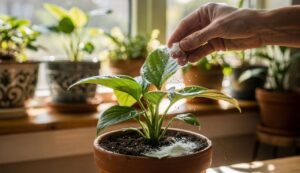
When plant leaves begin to droop, the immediate instinct for many gardeners is to reach for the watering can. However, experienced horticulturists warn that this reaction could be entirely misguided. Wilting foliage is frequently misinterpreted as a cry for more water when, in reality, it often signals the opposite problem: roots drowning in waterlogged soil. This common misconception leads countless well-intentioned gardeners to exacerbate the very issue threatening their plants, creating a vicious cycle that can prove fatal to even the hardiest specimens.
Understanding the causes of drooping leaves
The complexity of plant hydration
Drooping leaves represent a plant’s distress signal, but deciphering the underlying cause requires careful observation rather than assumptions. The symptom itself reveals nothing about whether the plant needs more or less water, as both extremes produce remarkably similar visual results. This paradox confounds novice gardeners who expect distinct symptoms for different problems.
Several factors contribute to leaf wilting beyond simple hydration levels:
- Soil compaction restricting oxygen flow to roots
- Fungal infections attacking the root system
- Temperature extremes affecting cellular water pressure
- Nutrient imbalances disrupting plant metabolism
- Container size limitations constraining root development
The waterlogging paradox
Overwatering creates conditions where roots cannot function properly, even when surrounded by abundant moisture. When soil pores fill completely with water, they exclude air, and roots require oxygen just as urgently as they need water. This oxygen deprivation triggers a cascade of physiological failures that manifest above ground as drooping, yellowing leaves that mimic drought stress.
The confusion intensifies because gardeners observe dry soil surfaces whilst the deeper layers remain saturated. This deceptive appearance prompts additional watering, worsening the suffocation below. Understanding this mechanism proves essential before any corrective action can succeed.
The roots and their vital importance
Root architecture and function
Plant roots perform multiple critical functions that extend far beyond simple water absorption. These underground structures anchor the plant, absorb nutrients, store energy reserves, and synthesise essential hormones that regulate growth throughout the entire organism. When roots suffer, every aspect of plant health deteriorates rapidly.
The root system comprises different zones, each specialised for particular tasks:
| Root zone | Primary function | Oxygen requirement |
|---|---|---|
| Root cap | Protection and soil penetration | Moderate |
| Meristematic zone | Cell division and growth | High |
| Elongation zone | Cell expansion | High |
| Maturation zone | Water and nutrient absorption | Very high |
Oxygen dependency
Root cells engage in constant respiration, consuming oxygen to generate the energy required for nutrient uptake and transport. Without adequate oxygen, roots cannot maintain the active transport mechanisms that move water and minerals against concentration gradients into the plant’s vascular system. This explains why waterlogged plants exhibit drought symptoms: their roots physically cannot absorb available water.
The relationship between soil structure and root health determines whether plants thrive or merely survive, making proper drainage absolutely fundamental.
How does root suffocation occur ?
The waterlogging process
Root suffocation develops when soil remains saturated for extended periods, displacing the air pockets that normally exist between soil particles. Clay-heavy soils prove particularly susceptible because their fine particles pack tightly together, creating minimal pore space. Even well-draining soils become problematic when watered too frequently or when drainage holes become blocked.
Container plants face heightened risk due to several factors:
- Limited soil volume retains proportionally more water
- Saucers beneath pots trap excess moisture
- Inadequate or blocked drainage holes prevent water escape
- Dense root systems reduce available pore space over time
Pathogen proliferation
Anaerobic conditions created by waterlogging provide ideal environments for harmful microorganisms. Fungi such as Pythium and Phytophthora thrive in oxygen-depleted soils, attacking weakened roots and accelerating their decay. These pathogens spread rapidly through saturated soil, infecting healthy tissue and creating a progressive root rot that proves difficult to reverse once established.
The decomposing root material further depletes oxygen levels whilst releasing compounds toxic to remaining healthy roots, creating a self-perpetuating cycle of decline. Recognising this progression early offers the only realistic chance of saving affected plants.
Monitoring signs of root suffocation
Above-ground symptoms
Identifying root suffocation requires looking beyond simple leaf drooping to recognise the constellation of symptoms that distinguish it from drought stress. Waterlogged plants typically display yellowing leaves that remain attached, whereas drought-stressed plants shed leaves more readily. The yellowing often begins with lower, older leaves as the plant sacrifices them to redirect limited resources.
Additional warning signs include:
- Soft, mushy stems near the soil line
- Persistent wilting despite moist soil
- Foul odour emanating from soil or drainage water
- Algae or moss growth on soil surface
- Slowed or stunted new growth
- Brown leaf margins with green centres
Soil assessment techniques
Physical examination of the soil provides crucial diagnostic information that visual symptoms alone cannot reveal. Insert a finger several centimetres into the soil to assess moisture levels at root depth rather than judging by surface appearance. The soil should feel barely moist, never soggy or waterlogged.
For potted plants, lift the container to gauge weight; excessively heavy pots indicate water retention problems. Inspect drainage holes for water flow and root appearance. Healthy roots appear white or cream-coloured with firm texture, whilst suffocated roots turn brown, black, or grey and feel mushy when touched.
Tips to save your plants
Immediate intervention strategies
Upon confirming root suffocation, cease all watering immediately and improve air circulation around the plant. For container plants, remove saucers and elevate pots on feet or blocks to enhance drainage. If possible, relocate the plant to a warmer, well-ventilated area that encourages faster soil drying.
More severe cases require aggressive intervention:
- Carefully remove the plant from its container
- Gently shake off excess wet soil from roots
- Prune away visibly damaged, discoloured roots using sterilised tools
- Repot in fresh, well-draining growing medium
- Use a container with adequate drainage holes
- Water sparingly until new growth indicates recovery
Soil amendment approaches
Improving soil structure prevents recurrence whilst supporting recovery. Incorporate materials that enhance drainage and aeration, such as perlite, coarse sand, or composted bark. These amendments create larger pore spaces that retain oxygen even when moist, allowing roots to breathe whilst accessing water.
For garden beds, raised planting areas offer superior drainage compared to ground-level installations, particularly in heavy clay soils. The elevation allows excess water to drain away from root zones whilst improving soil warming in cooler months.
Plant prevention and maintenance
Watering best practices
Adopting proper watering techniques eliminates the primary cause of root suffocation. Water deeply but infrequently, allowing soil to dry partially between applications. This approach encourages deep root development whilst maintaining adequate oxygen levels in the root zone.
Implement these preventative measures:
- Check soil moisture before watering rather than following rigid schedules
- Adjust watering frequency based on weather, season, and plant growth stage
- Apply mulch to regulate soil temperature and moisture retention
- Ensure all containers have functioning drainage holes
- Select growing media appropriate for specific plant requirements
- Avoid watering during cooler evening hours when evaporation slows
Long-term soil health
Maintaining optimal soil structure requires ongoing attention and periodic amendments. Organic matter gradually decomposes, reducing pore space and drainage capacity over time. Annual incorporation of compost or other organic materials sustains soil friability whilst supporting beneficial microbial populations that compete with pathogenic organisms.
Regular monitoring prevents small problems from escalating into plant-threatening crises, allowing gardeners to enjoy healthy, vigorous growth rather than battling recurring decline.
Recognising that drooping leaves frequently indicate root suffocation rather than water deficiency transforms gardening success rates dramatically. This understanding shifts focus from reactive watering to proactive soil management, drainage optimisation, and careful observation of plant responses. Healthy roots form the foundation for thriving plants, making their protection through proper watering practices and soil maintenance the cornerstone of effective horticulture.