



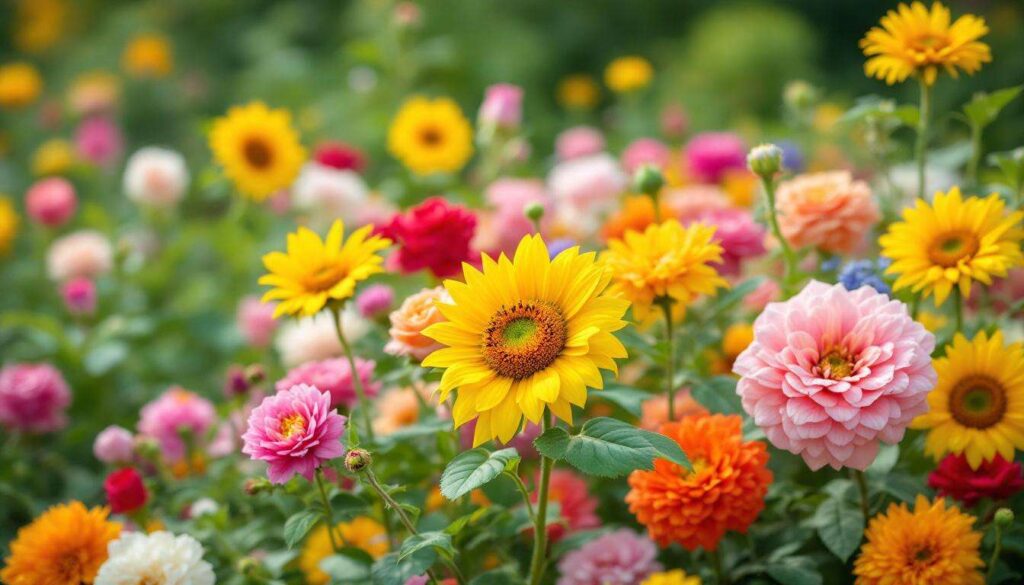
Creating beautiful bouquets from homegrown flowers brings immense satisfaction to any gardening enthusiast. A dedicated cutting patch transforms the simple act of gardening into an art form, providing fresh blooms throughout the growing season. The carefully selected varieties not only enhance outdoor spaces but also fill vases indoors with colour and fragrance. Growing flowers specifically for cutting allows complete control over variety, quality and timing, ensuring arrangements that reflect personal style whilst supporting beneficial insects and pollinators in the garden ecosystem.
Importance of cut flowers in your garden
Creating a sustainable source of fresh blooms
Establishing a cutting flower garden provides an ongoing supply of fresh blooms without the recurring expense of purchasing arrangements from florists. This approach offers financial savings whilst encouraging creativity and experimentation with different colour combinations and textures. The environmental benefits prove equally compelling, as homegrown flowers eliminate transportation emissions and reduce reliance on commercially grown blooms that often involve pesticides and preservatives.
Supporting biodiversity and pollinators
A well-planned cutting patch contributes significantly to garden biodiversity. The variety of flowering plants attracts essential pollinators including:
- Bees seeking nectar and pollen
- Butterflies drawn to vibrant colours
- Hoverflies that help control aphid populations
- Beneficial insects that maintain ecological balance
These visitors not only pollinate cutting flowers but also support the broader garden ecosystem, improving yields in vegetable patches and enhancing the health of ornamental plantings. The continuous succession of blooms throughout the season ensures consistent habitat for these valuable creatures.
Beyond ecological considerations, the therapeutic aspects of tending a cutting garden and arranging fresh flowers provide a compelling reason to dedicate space to this rewarding pursuit.
Essentials for a successful flower patch
Selecting the optimal location
The foundation of a thriving cutting garden begins with proper site selection. Most flowering plants require full sun exposure, meaning at least six to eight hours of direct sunlight daily. Well-drained soil prevents waterlogging that can lead to root rot and fungal diseases. Even gardeners with limited space can create productive cutting patches using raised beds, containers or vertical growing systems that maximise available area whilst ensuring adequate drainage.
Soil preparation and nutrition
Enriching soil with organic matter establishes the nutritional foundation for abundant blooms. Incorporating compost, well-rotted manure or leaf mould improves soil structure, water retention and nutrient availability. The following elements prove essential:
| Amendment | Benefit | Application rate |
|---|---|---|
| Compost | Improves structure and nutrients | 5-10 cm layer worked in |
| Bone meal | Promotes root development | 100g per square metre |
| Blood meal | Provides nitrogen for foliage | 50g per square metre |
Planning for continuous blooms
Succession planting ensures a steady supply of flowers from spring through autumn. This technique involves sowing seeds at intervals rather than all at once, creating staggered flowering periods. Additionally, selecting varieties with different blooming times extends the cutting season considerably. Early spring bulbs transition into summer annuals, which then give way to autumn-flowering perennials, maintaining constant availability of fresh material for arrangements.
With these foundational elements in place, attention turns to selecting specific varieties that perform exceptionally well in cutting gardens, particularly during the vibrant summer months.
Choosing the right flowers for summer
Sweet peas for fragrance and variety
These delightfully scented climbers rank amongst the most beloved cutting flowers. Their extensive colour range spans from pure whites and soft pastels to deep purples and vibrant reds. Sweet peas thrive when sown early, either in autumn for early flowering or in late winter under protection. The more frequently blooms are cut, the more prolifically plants produce, making them ideal for regular bouquet creation. Supporting structures such as canes, netting or obelisks provide necessary climbing framework whilst adding vertical interest to the garden.
Snapdragons for height and texture
Snapdragons contribute valuable vertical elements to arrangements with their tall spikes of densely packed florets. These versatile plants perform well in cooler conditions, often producing their finest displays during spring and autumn when temperatures moderate. Starting seeds indoors several weeks before the last frost ensures robust plants ready for transplanting. Their unique texture and range of colours from pale yellows to deep burgundies make them indispensable for adding structure to mixed bouquets.
Other essential summer bloomers
Several additional varieties deserve consideration for summer cutting gardens:
- Cosmos for delicate, daisy-like flowers in pinks and whites
- Sunflowers ranging from compact varieties to towering giants
- Dahlias offering dinner-plate sized blooms in countless forms
- Cornflowers providing true blue tones rarely found elsewhere
- Gladiolus adding dramatic height with their sword-like foliage
Each contributes distinct characteristics that enhance the diversity and visual appeal of homegrown arrangements throughout the warmest months.
Among these summer stars, one genus stands out for its exceptional reliability and spectacular colour range, making it worthy of dedicated attention.
The best zinnia varieties to grow
Why zinnias excel in cutting gardens
Zinnias have earned their reputation as cutting garden champions through remarkable heat tolerance and prolific flowering. These Mexican natives thrive in warm conditions that challenge many other annuals, continuing to produce vibrant blooms throughout summer’s hottest weeks. Their sturdy stems make them excellent for arrangements, whilst their vase life often extends beyond a week with proper care. The more zinnias are cut, the more flowers they produce, creating a beneficial cycle for dedicated bouquet makers.
Top zinnia varieties for bouquets
Different zinnia types offer distinct characteristics suited to various arrangement styles:
- Benary’s Giant series: produces large, dahlia-like blooms on long stems perfect for statement arrangements
- Queen Lime series: offers unique chartreuse tones that complement virtually any colour palette
- Zinderella series: features frilly, scabiosa-flowered forms adding textural interest
- Oklahoma series: delivers vibrant colours with excellent mildew resistance
- Cut and Come Again mix: provides continuous production of medium-sized blooms in varied colours
Growing zinnias successfully
Direct sowing after the last frost date yields the strongest plants, as zinnias dislike root disturbance. Spacing plants 30-45 cm apart allows adequate air circulation, reducing susceptibility to powdery mildew. Regular deadheading and cutting encourages branching and additional flower production. Providing consistent moisture whilst avoiding overhead watering helps prevent fungal issues that can diminish plant vigour and bloom quality.
Once these glorious flowers fill the cutting patch, transforming them into stunning arrangements requires specific techniques and considerations.
Tips for stunning bouquets
Optimal cutting techniques
Harvesting flowers at the correct time and using proper methods significantly impacts vase life. Cut blooms during early morning hours when stems contain maximum moisture and plants have recovered from daytime heat stress. Use clean, sharp secateurs or scissors to make angled cuts that increase water uptake surface area. Immediately place cut stems in water, ideally lukewarm, which flowers absorb more readily than cold water.
Conditioning flowers for longevity
Proper conditioning extends the beauty of arrangements considerably:
- Remove all foliage that would sit below the water line to prevent bacterial growth
- Recut stems at an angle before arranging to expose fresh tissue
- Allow flowers to hydrate in deep water for several hours before arranging
- Change water every two days and recut stems to maintain freshness
- Keep arrangements away from direct sunlight, heating vents and ripening fruit
Creating balanced compositions
Successful arrangements combine different flower forms, sizes and textures. Include focal flowers with large, showy blooms, supporting flowers of medium size, and filler materials that soften and unify the composition. Incorporating foliage adds depth and frames the flowers beautifully. Experimenting with colour harmonies, whether complementary contrasts or monochromatic schemes, develops personal style and confidence in bouquet creation.
Maintaining the source of these beautiful blooms requires ongoing attention throughout the growing season to ensure continued productivity.
Maintaining your cut flower garden
Regular care routines
Consistent maintenance keeps cutting patches productive and healthy. Weekly tasks include thorough watering during dry periods, applying mulch to conserve moisture and suppress weeds, and removing spent blooms to encourage continued flowering. Monitoring for pests and diseases allows early intervention before problems escalate. Many common issues respond well to organic solutions such as companion planting, encouraging beneficial insects, and using physical barriers rather than chemical interventions.
Feeding for abundant blooms
Flowering plants demand considerable nutrition to sustain continuous bloom production. Applying liquid fertiliser every two to three weeks during active growth supports this intensive flowering:
| Fertiliser type | NPK ratio | Application frequency |
|---|---|---|
| Balanced liquid feed | 10-10-10 | Fortnightly |
| High potassium feed | 5-10-15 | Weekly during peak bloom |
| Organic compost tea | Variable | Weekly as supplement |
Seasonal considerations
As the growing season progresses, adjusting care routines maintains plant health. During mid-summer heat, increasing watering frequency prevents stress that can halt flowering. Staking taller varieties before they require support prevents damage to stems and roots. As autumn approaches, allowing some flowers to set seed provides material for next season whilst offering food for birds. Clearing spent plants promptly reduces overwintering sites for pests and diseases, setting the stage for success in the following growing season.
A well-tended cutting garden rewards effort with months of spectacular blooms that transform both outdoor spaces and interior rooms. The combination of careful variety selection, proper site preparation and consistent maintenance creates a sustainable source of beauty that enriches daily life. From the fragrant sweetness of early sweet peas through the vibrant zinnias of high summer to the elegant dahlias of early autumn, a dedicated cutting patch offers endless opportunities for creativity and connection with the natural world. The investment of time and energy returns dividends in armfuls of fresh flowers, the satisfaction of nurturing plants from seed to vase, and the simple pleasure of bringing garden beauty indoors.