



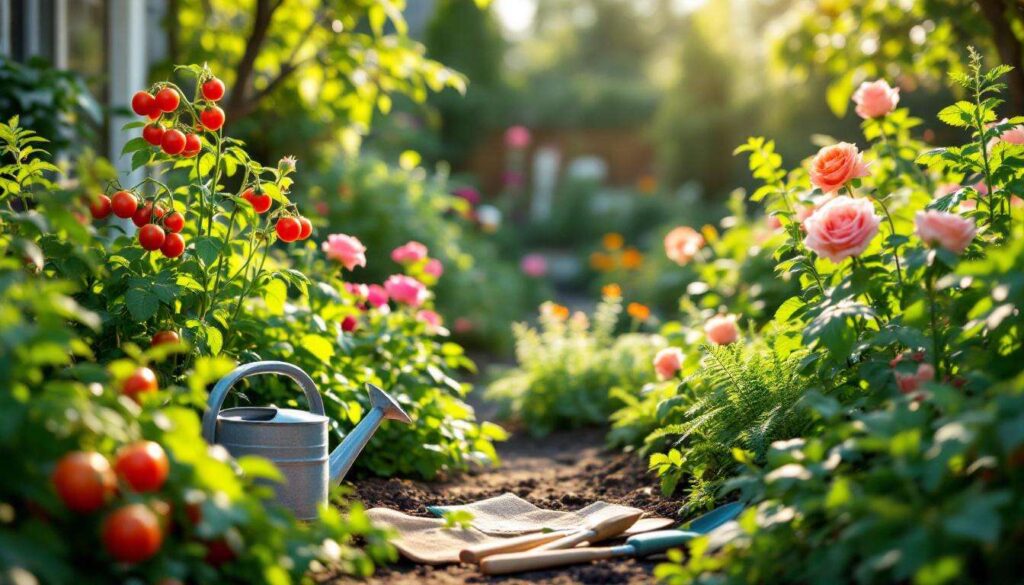
Garden centres, television programmes, and well-meaning neighbours have long perpetuated advice that sounds sensible but lacks scientific foundation. Many gardeners continue to follow practices that not only fail to deliver promised results but can actively harm plants and outdoor spaces. Understanding which common beliefs are actually myths helps create healthier gardens whilst saving time, money, and effort. Experts in horticulture and garden maintenance have identified several persistent misconceptions that deserve closer examination, revealing the gap between traditional wisdom and evidence-based practice.
Do Copper Planters Really Deter Slugs ?
The Science Behind Copper and Slugs
The belief that copper planters and barriers effectively repel slugs has become widespread amongst gardeners seeking natural pest control solutions. The theory suggests that copper reacts with slug slime, creating an unpleasant electrical charge that deters these garden pests. However, research has revealed a more complex picture. Whilst copper can provide some deterrent effect under specific conditions, its reliability as a slug barrier remains questionable.
Studies have shown that the effectiveness of copper depends on several factors:
- The width of the copper barrier must be substantial, typically at least 7-10 centimetres
- The copper surface must remain clean and free from oxidation
- Humidity levels significantly affect the deterrent properties
- Hungry slugs will often cross copper barriers despite the discomfort
Practical Limitations of Copper Solutions
In real garden conditions, copper planters and tape rarely provide the protection gardeners expect. Rain, soil splashes, and natural weathering quickly diminish copper’s effectiveness. The initial investment in copper products often fails to justify the modest results. Alternative methods such as beer traps, wildlife-friendly pellets, or encouraging natural predators like hedgehogs and ground beetles typically deliver more consistent slug control.
Understanding the limitations of copper-based solutions leads naturally to examining other garden materials and their actual impact on plant health and garden ecosystems.
The Real Impact of Algae and Moss on Your Garden
Separating Aesthetic Concerns from Actual Harm
Many gardeners view algae and moss growth as signs of neglect or indicators of unhealthy garden conditions. This perception drives significant effort and expense towards removing these organisms from paths, walls, and lawns. However, experts emphasise that algae and moss rarely cause direct damage to garden structures or plants. Their presence primarily represents an aesthetic issue rather than a functional problem.
| Garden Feature | Moss/Algae Impact | Action Required |
|---|---|---|
| Paving slabs | Slippery when wet | Remove for safety |
| Lawns | Indicates poor drainage | Address underlying cause |
| Walls and fences | Cosmetic only | Optional removal |
| Tree bark | No harm to tree | No action needed |
When Moss Actually Signals Underlying Issues
Whilst moss itself does not damage lawns, its presence often indicates conditions worth addressing. Compacted soil, poor drainage, excessive shade, or low soil fertility create environments where moss thrives whilst grass struggles. Rather than simply removing moss, effective garden management requires identifying and correcting these underlying conditions. Improving soil aeration through scarification, adjusting pH levels, or enhancing light penetration delivers more sustainable results than repeated moss removal.
Just as moss reveals information about growing conditions, the products used to treat garden materials deserve scrutiny regarding their necessity and effectiveness.
The True Role of Wood Treatments in Your Garden
Understanding Wood Preservation Requirements
Garden centres stock numerous wood treatment products promising to extend the life of fences, sheds, and raised beds. However, the necessity and effectiveness of these treatments varies considerably depending on wood type and application. Many gardeners apply preservatives unnecessarily, whilst others neglect genuinely beneficial treatments. Modern pressure-treated timber arrives pre-treated with preservatives that penetrate deep into the wood structure, providing protection for decades without additional applications.
When Additional Treatments Become Counterproductive
Applying surface treatments to already-protected timber can actually trap moisture beneath the coating, accelerating rot rather than preventing it. Furthermore, many traditional wood preservatives contain chemicals that can leach into soil, potentially affecting plant health and soil organisms. Experts recommend:
- Verifying whether timber is pre-treated before purchasing additional products
- Allowing untreated wood to weather naturally if used for non-structural purposes
- Selecting water-based, environmentally-friendly treatments when preservation is necessary
- Focusing on proper installation techniques that promote drainage and air circulation
The question of which maintenance practices genuinely protect garden features extends beyond wood treatments to include cleaning methods that may cause more harm than good.
Pressure Washing: Friend or Foe of Your Decking ?
The Hidden Damage of High-Pressure Cleaning
Pressure washers have become popular tools for restoring the appearance of garden decking, promising quick transformation from weathered grey to fresh-looking timber. However, horticulture and maintenance experts consistently warn that high-pressure water jets cause significant damage to wooden surfaces. The powerful stream erodes soft wood fibres, creating a roughened surface that splinters easily and actually becomes more susceptible to moisture penetration and decay.
Safer Alternatives for Decking Maintenance
Professional garden maintenance specialists recommend gentler cleaning methods that preserve wood integrity whilst removing dirt and organic growth. A stiff brush combined with appropriate cleaning solution achieves effective results without the structural damage associated with pressure washing. When cleaning decking:
- Use a deck-specific cleaner diluted according to manufacturer instructions
- Apply solution with a brush or mop, allowing time for the product to work
- Scrub in the direction of the wood grain
- Rinse thoroughly with a garden hose rather than pressure washer
- Allow complete drying before applying any protective oils or stains
The principle of matching cleaning methods to material characteristics applies equally to other garden surfaces, particularly natural stone features that require specific care approaches.
The Importance of Choosing the Right Cleaning Products for Stone
Why Generic Cleaners Damage Natural Stone
Many gardeners assume that powerful cleaning products suitable for concrete or manufactured paving work equally well on natural stone. This misconception leads to permanent damage of expensive materials like limestone, sandstone, and marble. Acidic cleaners, including those containing vinegar or citric acid, react chemically with calcium-based stones, causing etching, discolouration, and surface deterioration. Even seemingly mild household cleaners can contain ingredients that compromise stone integrity over time.
Matching Products to Stone Types
Different stone varieties require specific cleaning approaches based on their composition, porosity, and finish. Understanding these requirements prevents costly mistakes and preserves the natural beauty of stone features.
| Stone Type | Avoid | Recommended Cleaner |
|---|---|---|
| Limestone | Acidic products | pH-neutral stone soap |
| Sandstone | Pressure washing | Soft brush with water |
| Granite | Abrasive powders | Mild detergent solution |
| Slate | Oil-based cleaners | Specialist slate cleaner |
Long-Term Stone Care Strategies
Beyond selecting appropriate cleaning products, preventive maintenance reduces the need for intensive cleaning. Regular sweeping removes abrasive particles that accelerate wear. Promptly addressing spills prevents staining. Applying breathable sealants appropriate to specific stone types provides protection whilst allowing moisture vapour to escape, preventing the trapped dampness that encourages biological growth and frost damage.
Garden care practices benefit enormously from questioning inherited wisdom and seeking evidence-based approaches. The myths surrounding copper slug barriers, moss damage, wood treatments, pressure washing, and stone cleaning demonstrate how widely-held beliefs can lead gardeners astray. By understanding the science behind garden materials and maintenance methods, gardeners make informed decisions that protect their investments whilst creating healthier outdoor spaces. Abandoning ineffective practices frees resources for interventions that genuinely improve garden health and appearance, resulting in more sustainable and successful gardening outcomes.