

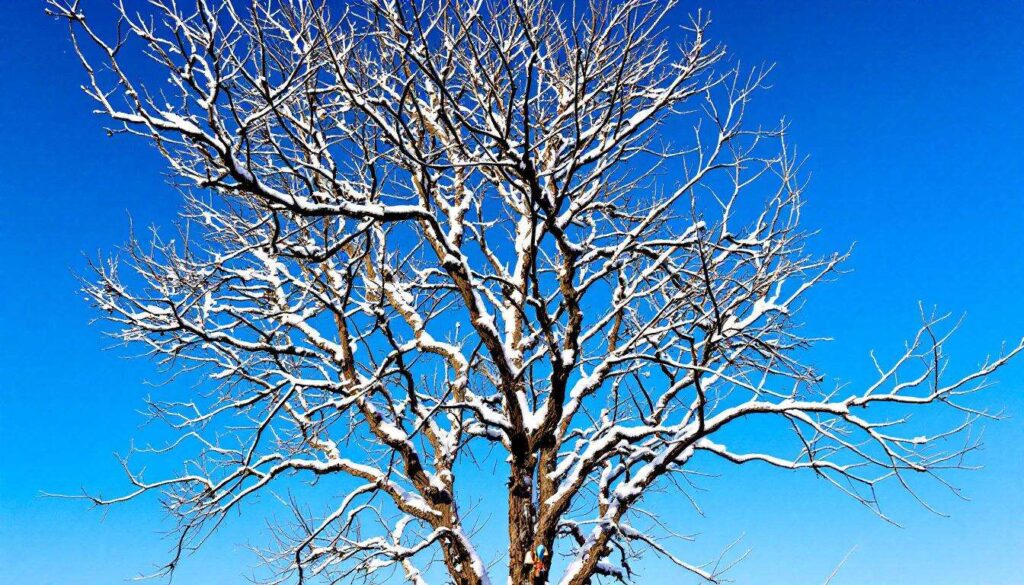
Gardeners and arborists alike recognise winter as a crucial period for tree maintenance. The dormant season offers unique opportunities to shape and strengthen trees, setting the foundation for vigorous spring growth. Whilst trees rest beneath bare branches, strategic pruning can address structural issues, remove diseased wood, and redirect energy towards productive growth. Understanding which trees benefit from winter attention and mastering proper techniques ensures a landscape that bursts into life when warmer weather arrives.
When to prune trees in winter
The optimal pruning window
Winter pruning should ideally take place between late December and early March, when trees enter complete dormancy. This period varies slightly depending on regional climate and specific tree species. The key indicator is the absence of leaves, which signals that the tree has withdrawn nutrients into its root system and ceased active growth. Pruning during this window minimises stress and allows wounds to heal efficiently before spring sap flow begins.
Weather considerations
Selecting appropriate weather conditions proves equally important as timing. Avoid pruning during the following circumstances:
- Freezing temperatures below minus five degrees Celsius, which can damage fresh cuts
- Wet conditions that promote fungal spore dispersal
- Windy days that make precise cutting difficult and dangerous
- Periods immediately before predicted storms
Mild, dry days with temperatures hovering just above freezing provide ideal conditions for winter pruning work. These conditions allow clean cuts that seal properly and reduce pathogen exposure.
Signs of dormancy
Beyond leaf loss, observe other indicators of true dormancy. Buds should appear tight and sealed, with no signs of swelling or green tissue beneath the bark. Sap flow should be minimal, evidenced by the absence of weeping from previous wounds. These visual cues confirm that the tree has fully entered its resting phase and can tolerate pruning interventions without compromising spring vitality.
Understanding these temporal parameters establishes the groundwork for identifying which specific trees deserve priority attention during the dormant season.
Trees to prioritise for pruning
Deciduous fruit trees
Apple and pear trees stand at the forefront of winter pruning priorities. These pome fruits respond exceptionally well to dormant-season shaping, developing stronger frameworks and more abundant fruiting wood. Their robust nature tolerates aggressive pruning, making them ideal candidates for structural renovation and maintenance cuts. Winter work on these species promotes better air circulation, reducing disease pressure during the growing season.
Ornamental and shade trees
Several ornamental species benefit significantly from winter attention:
- Oak trees, which avoid oak wilt transmission during dormancy
- Ash trees, benefiting from structural pruning whilst disease vectors remain inactive
- Lime trees, which tolerate heavy pruning for size control
- Hornbeam and beech, ideal for formal hedging and pleaching work
- Willow and poplar, requiring regular maintenance to prevent weak growth
Roses and soft fruit bushes
Whilst not technically trees, roses and soft fruit bushes deserve mention alongside tree pruning schedules. Hybrid tea roses, floribundas, and climbing varieties all benefit from late winter pruning. Blackcurrants, redcurrants, and gooseberries similarly respond well to dormant-season attention, producing better fruit yields and maintaining compact, productive forms.
| Tree type | Pruning intensity | Primary benefit |
|---|---|---|
| Apple trees | Moderate to heavy | Improved fruit quality |
| Pear trees | Moderate | Disease prevention |
| Oak trees | Light to moderate | Structural integrity |
| Willow trees | Heavy | Vigour control |
Whilst these species thrive with winter intervention, certain tree families require a completely different approach to avoid serious health consequences.
Avoiding pruning stone fruit trees
The silver leaf disease risk
Stone fruit trees, including plums, cherries, peaches, and apricots, present significant risks when pruned during winter dormancy. These species prove highly susceptible to silver leaf disease, a fungal infection caused by Chondrostereum purpureum. The pathogen enters through pruning wounds and spreads rapidly through vascular tissue, causing leaf silvering, branch dieback, and potentially tree death. Winter conditions, with their combination of moisture and moderate temperatures, create ideal circumstances for spore germination and infection establishment.
Bacterial canker concerns
Beyond fungal threats, stone fruits face bacterial canker risks during dormant pruning. This bacterial disease enters through wounds and causes sunken lesions that girdle branches, leading to dieback. Winter pruning exposes fresh cuts to rain splash and wind-borne bacteria, dramatically increasing infection likelihood. The tree’s dormant state means its natural defence mechanisms operate at reduced capacity, allowing pathogens to establish before spring growth can compartmentalise damage.
Recommended pruning timing for stone fruits
Stone fruit trees should receive pruning attention during the following periods:
- Late spring, after blossom but before full leaf expansion
- Early summer, when sap flow helps seal wounds quickly
- Mid-summer for established trees requiring light maintenance
This growing season pruning allows wounds to heal rapidly whilst natural antimicrobial compounds in flowing sap provide protection against pathogens. The active growth period enables trees to compartmentalise damage effectively, preventing disease spread into healthy tissue.
Having established which trees to avoid during winter, attention turns to the specific techniques that maximise benefits for suitable species like apples and pears.
How to prune apple and pear trees
Establishing the framework
Young apple and pear trees require formative pruning to establish strong frameworks. Select three to five well-spaced branches emerging at wide angles from the main trunk, forming the primary scaffold. Remove competing leaders and inward-growing shoots. Aim for an open-centred or central-leader form, depending on variety and intended use. These early decisions determine the tree’s productive lifespan and structural integrity.
The three D’s principle
Mature tree pruning follows the fundamental “three D’s” approach:
- Dead wood removal prevents disease harbourage and improves appearance
- Diseased material elimination stops pathogen spread
- Damaged branch removal prevents entry points for infection
After addressing these priorities, remove crossing branches that rub together, creating wounds. Eliminate water sprouts and suckers that drain energy without contributing to fruit production. Thin congested areas to improve light penetration and air circulation, both critical for fruit development and disease prevention.
Spur and tip bearing varieties
Understanding fruiting habits determines appropriate pruning approaches. Spur-bearing varieties produce fruit on short shoots along older wood, requiring lighter pruning that preserves these productive structures. Tip-bearing varieties fruit at branch ends, necessitating renewal pruning that encourages new growth whilst maintaining some older wood. Identify your variety’s fruiting pattern before making cuts to avoid inadvertently removing productive wood.
Making proper cuts
Cut placement significantly affects healing and future growth. Position cuts just above outward-facing buds at slight angles, allowing water to drain away from the bud. Avoid leaving stubs, which die back and invite decay, but equally avoid cutting too close, which damages the bud. For larger branches, employ the three-cut method: an undercut, a top cut further out, then a final cut at the branch collar. This prevents bark tearing and promotes optimal healing.
Executing these techniques effectively requires appropriate equipment maintained in proper condition.
Essential tools for effective pruning
Cutting tools for different branch sizes
Professional-quality tools make pruning safer and more effective. Invest in the following essentials:
- Secateurs for shoots and branches up to one centimetre diameter
- Loppers with long handles for branches between one and four centimetres
- Pruning saw for larger branches exceeding four centimetres
- Pole pruner for reaching high branches without ladders
Bypass-style cutting tools prove superior to anvil types, creating cleaner cuts that heal faster. Sharp blades slice through wood fibres rather than crushing them, reducing tissue damage and infection risk.
Maintenance and sterilisation
Tool maintenance proves as important as selection. Clean blades after each use, removing sap and debris that harbour pathogens. Sharpen cutting edges regularly using appropriate files or sharpening stones. Between trees, particularly when moving from diseased to healthy specimens, sterilise tools using diluted household disinfectant or methylated spirits. This simple practice prevents disease transmission across your orchard or garden.
Safety equipment
| Equipment | Purpose | Essential level |
|---|---|---|
| Safety glasses | Eye protection from debris | Critical |
| Gloves | Hand protection and grip | Critical |
| Hard hat | Protection from falling branches | Recommended |
| Steel-toe boots | Foot protection | Recommended |
Never compromise on safety equipment, particularly when working with overhead branches or power tools. Proper protective gear prevents injuries that could end a pruning session or cause lasting harm.
With appropriate tools assembled and maintained, implementing best practices ensures pruning efforts translate into healthy spring growth.
Tips for successful pruning and a healthy spring
Assessing before cutting
Begin every pruning session with thorough assessment. Walk around the tree from multiple angles, identifying problem areas and visualising the desired final form. Mark branches for removal using coloured tape or chalk, then step back to review your plan before making irreversible cuts. This methodical approach prevents over-pruning and maintains balanced tree structure.
Pruning intensity guidelines
Avoid removing more than one-quarter of a tree’s crown in a single season. Excessive pruning shocks the tree, stimulating weak, water-sprout growth that requires future corrective work. Young trees tolerate heavier pruning during establishment, but mature specimens require gentler treatment. When in doubt, prune conservatively, remembering that additional cuts can always be made next season, but removed branches cannot be replaced.
Post-pruning care
Modern research questions traditional wound paint applications, suggesting that trees seal wounds more effectively without artificial barriers. Allow cuts to heal naturally, monitoring for signs of disease or pest activity. Collect and dispose of pruned material, particularly diseased wood, by burning or municipal green waste collection. Never compost diseased prunings, which can spread pathogens throughout your garden.
Monitoring spring response
Observe your trees carefully as spring arrives. Properly pruned specimens should exhibit vigorous, balanced growth with strong shoots emerging from remaining buds. Fruit trees should display abundant blossom on well-spaced branches, whilst ornamental trees should develop dense, healthy foliage. Any signs of dieback, weak growth, or disease warrant investigation and potential professional consultation.
Winter pruning represents an investment in your trees’ future health and productivity. The dormant season offers unique advantages: clear structural visibility, reduced disease pressure, and optimal healing conditions. By selecting appropriate species, avoiding vulnerable stone fruits, employing correct techniques, and using proper tools, gardeners create the foundation for spectacular spring displays. Trees respond to thoughtful winter care with vigorous growth, abundant flowers, and bountiful fruit harvests. The bare branches of winter hold immense potential, waiting for skilled hands to unlock their promise through strategic pruning that transforms gardens into thriving landscapes when warmth returns.