



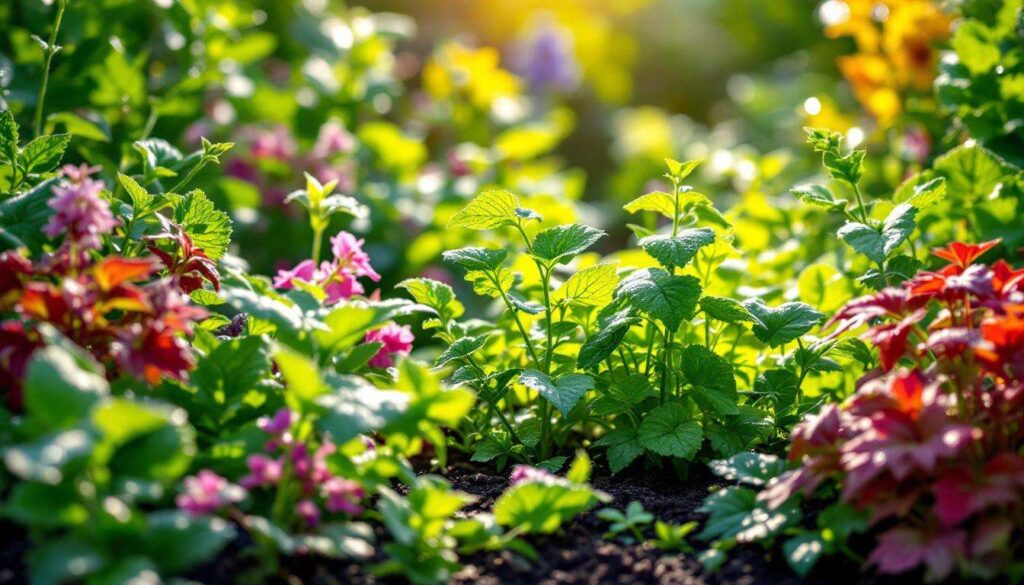
Gardeners across the country are increasingly seeking robust alternatives to traditional shade-loving plants, and starry Solomon’s plume is emerging as a compelling choice for those tired of the limitations that come with hostas. This native perennial offers remarkable versatility, thriving in conditions that would challenge many popular garden staples whilst requiring minimal intervention from even the most time-pressed gardener.
Why choose starry Solomon’s plume over hostas
Superior adaptability to varied light conditions
Whilst hostas have earned their reputation as shade garden champions, they struggle significantly when exposed to prolonged sunlight. Starry Solomon’s plume, by contrast, demonstrates exceptional flexibility in light requirements, flourishing equally well in full sun, partial shade, or deep shade. This adaptability eliminates the guesswork involved in plant placement and opens up considerably more possibilities for garden design.
Natural pest resistance
Hosta enthusiasts frequently battle against persistent pest problems, particularly from deer and slugs that find the foliage irresistible. Starry Solomon’s plume offers a refreshing departure from this constant struggle:
- Deer typically avoid the plant entirely, making it ideal for rural and suburban gardens
- Slugs and snails show minimal interest in the foliage
- The plant requires no chemical interventions to remain healthy and attractive
- Reduced pest pressure means less time spent on protective measures
Lower maintenance requirements
The care demands of hostas can prove surprisingly intensive, requiring specific soil conditions, consistent moisture levels, and regular division. Starry Solomon’s plume, however, thrives with considerably less attention, establishing itself quickly and spreading steadily without becoming invasive. Once established, the plant tolerates periods of drought far better than most hosta varieties, making it suitable for gardeners seeking resilient, self-sufficient plantings.
These practical advantages make starry Solomon’s plume particularly appealing for those looking to establish plantings that perform reliably across different garden microclimates, which naturally leads to considering how best to introduce this versatile perennial into your outdoor space.
How to cultivate starry Solomon’s plume in your garden
Optimal planting conditions
Starry Solomon’s plume thrives in USDA Hardiness Zones 3 to 7, making it suitable for a wide geographical range. The plant prefers well-drained soil but demonstrates remarkable tolerance for various soil types, from sandy loam to heavier clay compositions. For best results, incorporate organic matter into the planting area to improve soil structure and moisture retention.
Planting technique and timing
Spring and autumn represent the ideal planting windows for starry Solomon’s plume. Follow these steps for successful establishment:
- Dig holes approximately twice the width of the root ball
- Space plants 30 to 45 centimetres apart to allow for natural spreading
- Position the crown at soil level, avoiding deep planting
- Water thoroughly after planting to settle soil around roots
- Apply a 5-centimetre layer of mulch to conserve moisture and suppress weeds
Soil and moisture preferences
Whilst starry Solomon’s plume tolerates various conditions, it performs optimally in slightly acidic to neutral soil with a pH between 5.5 and 7.0. The plant appreciates consistent moisture during its first growing season but becomes increasingly drought-tolerant once established. Avoid waterlogged conditions, which can lead to root problems.
| Growing factor | Optimal condition | Tolerance range |
|---|---|---|
| Light exposure | Partial shade | Full sun to deep shade |
| Soil pH | 6.0 to 6.5 | 5.5 to 7.0 |
| Moisture level | Moderately moist | Dry to moist |
| Hardiness zones | 4 to 6 | 3 to 7 |
Understanding these cultivation basics provides the foundation for success, but the plant’s performance in sunnier locations deserves particular attention for gardeners working with challenging bright exposures.
The benefits of starry Solomon’s plume in sunny gardens
Thriving where hostas struggle
Many gardeners face the challenge of filling sunny borders where traditional shade plants simply cannot survive. Starry Solomon’s plume offers an elegant solution to this common dilemma, producing attractive foliage and delicate white flowers even in locations receiving six or more hours of direct sunlight daily. The plant’s natural adaptability means it adjusts its growth habit according to light levels, developing slightly more compact foliage in brighter conditions.
Seasonal interest in full sun
When grown in sunny locations, starry Solomon’s plume provides multiple seasons of visual appeal:
- Spring brings fresh, lance-shaped foliage in vibrant green tones
- Late spring to early summer features fragrant, star-shaped white flowers along arching stems
- Summer sees the development of attractive green berries that gradually ripen to red
- Autumn foliage takes on golden yellow hues before dormancy
Heat tolerance advantages
Unlike hostas, which often show signs of stress through scorched leaf edges and faded colours in hot conditions, starry Solomon’s plume maintains its visual integrity throughout summer. The plant’s native origins in North American woodlands and meadows have equipped it with natural mechanisms for coping with temperature fluctuations and varying moisture availability.
This resilience in sunny positions makes the plant particularly valuable, though maximising its performance requires understanding some fundamental care principles that ensure long-term health and vigour.
Care tips for starry Solomon’s plume
Watering requirements
During the first growing season, provide regular watering to encourage deep root development. Once established, starry Solomon’s plume requires supplemental irrigation only during extended dry periods. Morning watering proves most effective, allowing foliage to dry before evening and reducing disease risk.
Fertilisation approach
Starry Solomon’s plume thrives without heavy feeding, making it an economical choice for budget-conscious gardeners. A single application of balanced, slow-release fertiliser in early spring provides sufficient nutrients for the entire growing season. Alternatively, a 5-centimetre layer of compost spread around plants each spring delivers gentle, sustained nutrition whilst improving soil structure.
Pruning and maintenance schedule
Minimal intervention keeps starry Solomon’s plume looking its best throughout the year:
- Remove spent flower stems after blooming if seed production is undesired
- Cut back dead foliage in late autumn or early spring before new growth emerges
- Divide established clumps every four to five years to maintain vigour
- Remove any damaged or diseased foliage promptly to prevent spread
Winter protection
The plant’s excellent cold hardiness eliminates the need for special winter protection in most regions. In the coldest zones, a light mulch layer provides additional insulation for crowns, though this proves unnecessary in milder climates.
With these straightforward care practices in place, gardeners naturally begin considering where to source quality plants for their own landscapes.
Where to buy starry Solomon’s plume
Specialist native plant nurseries
Native plant nurseries represent the most reliable source for starry Solomon’s plume, offering plants grown from locally adapted stock. These specialists typically provide expert advice on cultivation and can recommend varieties best suited to specific regional conditions. Many native plant nurseries operate mail-order services, extending access to gardeners across the country.
Garden centres and online retailers
Increasingly, mainstream garden centres stock starry Solomon’s plume as awareness of native alternatives grows. When purchasing from general retailers, verify that plants are nursery-propagated rather than wild-collected. Reputable online plant retailers offer convenient ordering with direct delivery, though shipping times may limit planting to specific seasons.
Plant sales and exchanges
Local horticultural societies and native plant groups frequently organise sales featuring starry Solomon’s plume. These events provide opportunities to:
- Obtain plants at competitive prices
- Connect with experienced growers who can share regional growing tips
- Access unusual varieties not commonly available through commercial channels
- Support conservation efforts through native plant promotion
Securing quality plants represents just the first step towards creating cohesive garden schemes that showcase starry Solomon’s plume to maximum effect.
Tips for incorporating starry Solomon’s plume into your landscaping
Effective companion planting
Starry Solomon’s plume combines beautifully with numerous perennials and shrubs, creating layered, naturalistic plantings. Consider pairing it with spring bulbs such as narcissus and camassia, which bloom before the Solomon’s plume reaches full height. Ferns, bleeding hearts, and coral bells provide complementary textures whilst sharing similar cultural requirements.
Design applications
The plant’s spreading habit and moderate height make it suitable for various landscape roles:
- Woodland garden groundcover beneath deciduous trees
- Border edging along pathways and drives
- Mass plantings for slope stabilisation
- Naturalised drifts in meadow-style gardens
- Container specimens for shaded patios
Creating visual impact
For maximum effect, plant starry Solomon’s plume in groups of five or more rather than as isolated specimens. This approach creates flowing drifts that appear more natural whilst producing greater visual impact during the flowering season. The white blooms show particularly well against darker backgrounds such as evergreen shrubs or painted fences.
| Garden style | Recommended use | Planting density |
|---|---|---|
| Woodland garden | Groundcover layer | 5 to 7 per square metre |
| Cottage garden | Border filler | 3 to 5 per square metre |
| Native garden | Mass planting | 7 to 9 per square metre |
| Contemporary garden | Textural accent | 3 to 4 per square metre |
Starry Solomon’s plume offers gardeners a refreshing alternative to hostas, combining exceptional adaptability with minimal maintenance requirements. Its ability to thrive in diverse light conditions, from deep shade to full sun, makes it suitable for challenging garden situations where traditional shade plants struggle. The plant’s natural pest resistance eliminates common frustrations associated with deer and slug damage, whilst its tolerance for varied soil types and moisture levels reduces the need for intensive soil preparation. Whether used as groundcover in woodland settings, border edging along pathways, or mass plantings on difficult slopes, this resilient native perennial delivers consistent performance with remarkably little intervention. For gardeners seeking reliable, attractive plants that adapt to their conditions rather than demanding specific environments, starry Solomon’s plume represents a practical and aesthetically pleasing choice that deserves wider recognition in British gardens.