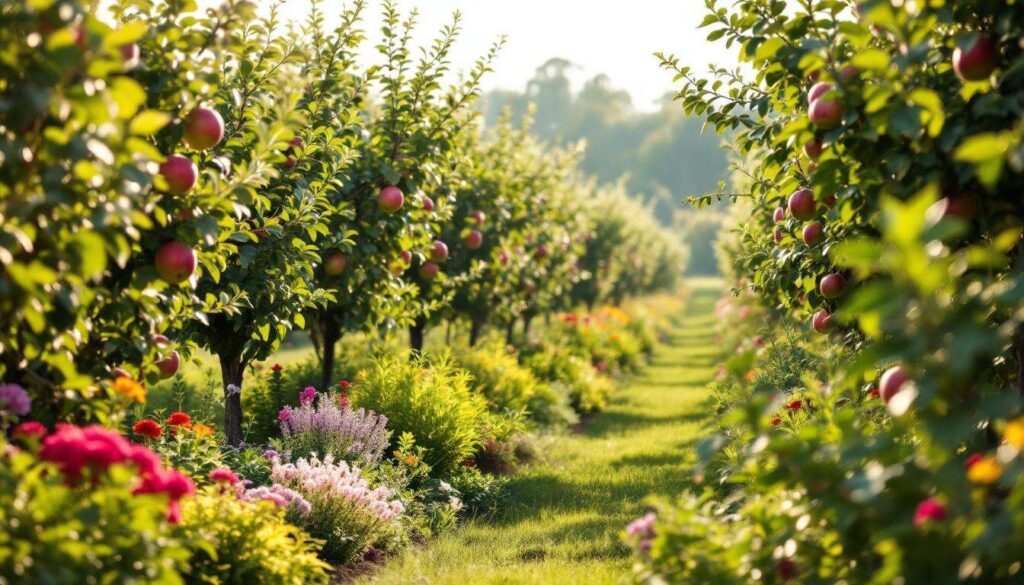
Cultivating a thriving orchard requires more than selecting quality apple tree varieties and providing adequate water and sunlight. The surrounding vegetation plays a critical role in determining whether these fruit-bearing trees flourish or struggle. Certain plants, vegetables, and trees possess characteristics that directly interfere with apple tree health, either by releasing harmful chemicals, competing aggressively for nutrients, or harbouring diseases that spread rapidly. Understanding which species to exclude from the vicinity of apple trees enables gardeners to create optimal growing conditions and maximise yields. This knowledge proves invaluable for both amateur enthusiasts and experienced horticulturists seeking to establish productive orchards.
Plants to avoid near apple trees
Understanding companion planting principles
The concept of companion planting forms the foundation of successful orchard management. Not all plants coexist harmoniously, and some combinations actively undermine each other’s development. Apple trees, with their extensive root systems and specific nutritional requirements, prove particularly vulnerable to unsuitable neighbours. Recognising incompatible species prevents resource depletion, disease transmission, and chemical interference that compromise fruit production.
Several categories of plants present risks to apple trees:
- Trees that release allelopathic compounds toxic to apple roots
- Plants that serve as hosts for diseases affecting apple trees
- Vegetables that deplete essential soil nutrients
- Invasive species that compete aggressively for water and space
- Plants that attract pests harmful to apple orchards
The science behind plant interactions
Plant interactions occur through various mechanisms, including root exudates, shared pathogens, and competition for resources. Some species produce biochemical compounds that inhibit the growth of neighbouring plants, a phenomenon known as allelopathy. Others simply possess such vigorous growth habits that they monopolise available nutrients, leaving insufficient resources for fruit trees. Disease vectors represent another significant concern, as certain plants harbour fungi, bacteria, or viruses that readily transfer to apple trees, causing devastating crop losses.
These fundamental principles help explain why specific plants prove incompatible with apple cultivation, beginning with one particularly problematic herb.
Fennel: a dangerous neighbour for the apple tree
Allelopathic properties of fennel
Fennel stands out as one of the most incompatible plants for proximity to apple trees. This aromatic herb releases chemical compounds through its roots that inhibit the growth of many neighbouring plants, including fruit trees. The allelopathic substances produced by fennel interfere with cellular processes in apple tree roots, reducing their ability to absorb water and nutrients effectively. This biochemical warfare occurs silently beneath the soil surface, often leaving gardeners puzzled by unexplained decline in tree vigour.
Growth suppression effects
Research demonstrates that fennel’s impact extends beyond simple competition for resources. The plant actively suppresses the development of nearby vegetation through its phytotoxic secretions. Apple trees growing within several metres of established fennel plants typically exhibit:
- Stunted growth and reduced canopy development
- Yellowing leaves indicating nutrient deficiency
- Diminished fruit production and smaller apple size
- Increased susceptibility to environmental stress
The effects intensify as fennel plants mature and their root systems expand, making early removal essential for protecting apple tree health.
Beyond fennel’s chemical interference, certain trees pose even more severe threats through their toxic compounds.
The harmful effect of black walnuts
Juglone toxicity explained
Black walnut trees produce juglone, a highly toxic compound that proves devastating to apple trees and numerous other plant species. This chemical accumulates in the leaves, bark, roots, and hulls of black walnut trees, then leaches into surrounding soil through decomposition and root exudates. Juglone interferes with cellular respiration in sensitive plants, effectively poisoning them from the roots upward. Apple trees exposed to juglone display rapid decline, often dying within a single growing season.
Symptoms and safe distances
The toxic zone extends considerably beyond the visible canopy of black walnut trees. Gardeners must maintain substantial separation to protect apple orchards:
| Distance from black walnut | Risk level for apple trees |
|---|---|
| 0-15 metres | Severe damage or death likely |
| 15-25 metres | Moderate stress and reduced growth |
| 25+ metres | Minimal to no detectable effects |
Apple trees affected by juglone exhibit wilting leaves, stunted growth, and yellowing foliage despite adequate watering. Root damage occurs first, compromising the tree’s ability to sustain healthy growth even after removal of the walnut tree, as juglone persists in soil for several years.
While black walnuts pose chemical threats, some common vegetables create problems through different mechanisms.
Potatoes: a problematic coexistence
Nutrient competition concerns
Potatoes belong to the Solanaceae family and demonstrate particularly aggressive nutrient uptake patterns that conflict with apple tree requirements. These tubers extract substantial quantities of potassium, nitrogen, and phosphorus from soil, depleting resources that apple trees need for fruit development. When planted near apple trees, potato crops essentially starve the trees of essential nutrients, resulting in reduced yields and compromised fruit quality.
Disease transmission risks
Beyond nutrient competition, potatoes harbour several pathogens that affect apple trees. The proximity of these crops increases disease pressure within orchards, as fungal spores and bacterial infections spread easily between susceptible species. Common issues include:
- Verticillium wilt affecting both potatoes and apple roots
- Shared susceptibility to certain soil-borne fungi
- Increased pest populations attracted to both crops
- Cross-contamination through shared garden tools and equipment
The combination of resource depletion and disease risk makes potatoes particularly unsuitable companions for apple cultivation, requiring gardeners to designate separate growing areas for these crops.
Trees themselves can present significant disease risks, particularly certain evergreen species common in many landscapes.
Eastern red cedar and the apple tree
Cedar-apple rust lifecycle
Eastern red cedar serves as the alternate host for cedar-apple rust, a fungal disease that devastates apple crops. The pathogen requires both cedar and apple trees to complete its lifecycle, making proximity between these species particularly problematic. During spring, orange gelatinous growths appear on cedar branches, releasing spores that travel considerable distances on wind currents. These spores infect apple leaves and fruit, causing characteristic yellow spots that expand into rust-coloured lesions.
Impact on apple production
The disease significantly reduces apple quality and quantity. Infected trees experience:
- Premature leaf drop weakening the tree
- Disfigured and unmarketable fruit
- Reduced photosynthetic capacity affecting overall vigour
- Increased susceptibility to secondary infections
Removing eastern red cedars within several hundred metres of apple orchards substantially reduces infection rates, though complete elimination proves challenging as spores travel long distances. Maintaining this separation represents the most effective preventive measure against cedar-apple rust.
Annual flowering plants also warrant careful consideration when planning orchard layouts.
The reasons for avoiding sunflowers near apple trees
Pest attraction problems
Sunflowers attract numerous insect species, many of which subsequently infest nearby apple trees. Aphids, beetles, and other pests congregate on sunflower heads, establishing large populations that overflow onto surrounding vegetation. These insects damage apple foliage, transmit diseases, and reduce fruit quality through direct feeding damage. The towering height of mature sunflowers also creates shaded conditions beneath their canopy, limiting sunlight availability for apple tree branches.
Resource competition and allelopathy
Sunflowers possess aggressive root systems that extract substantial water and nutrients from soil. Their rapid growth and large biomass require considerable resources, creating intense competition with apple trees planted nearby. Additionally, sunflowers produce allelopathic compounds that inhibit the growth of certain neighbouring plants, though this effect proves less pronounced than with fennel or black walnut.
| Sunflower impact | Effect on apple trees |
|---|---|
| Water consumption | Reduced moisture availability during drought |
| Pest populations | Increased insect damage to leaves and fruit |
| Nutrient uptake | Competition for nitrogen and phosphorus |
Establishing sunflowers at considerable distance from apple orchards minimises these negative interactions whilst allowing gardeners to enjoy both crops successfully.
Successful apple cultivation demands careful attention to surrounding vegetation. Avoiding black walnuts prevents juglone poisoning, whilst maintaining distance from eastern red cedars reduces cedar-apple rust infections. Excluding fennel eliminates allelopathic interference, and separating potatoes prevents nutrient depletion and disease transmission. Keeping sunflowers away from orchards minimises pest pressure and resource competition. These strategic planting decisions create optimal conditions for healthy, productive apple trees that yield abundant harvests year after year.