



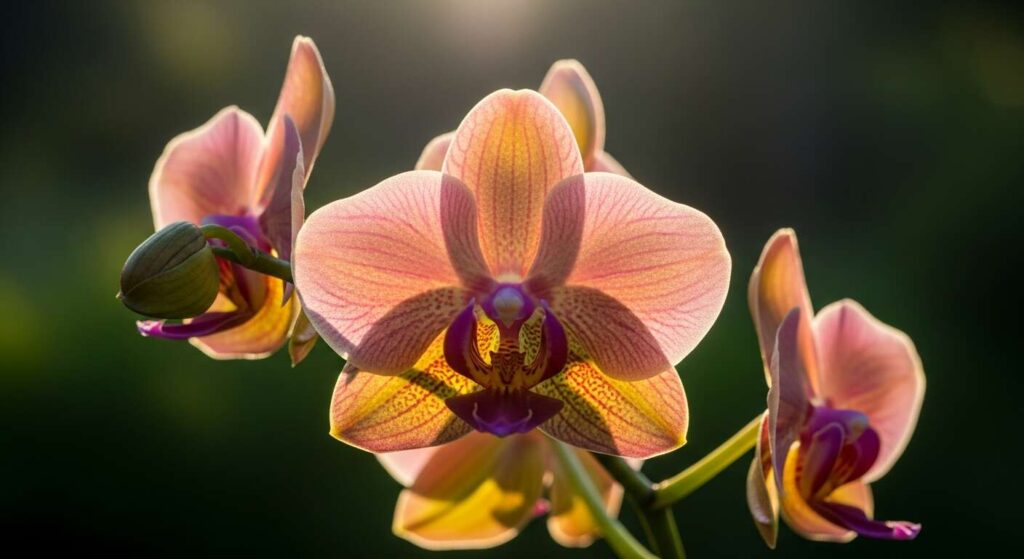
Orchids captivate gardeners and plant enthusiasts with their exquisite blooms and remarkable diversity. These elegant plants, once considered challenging to cultivate, have become increasingly accessible to home growers. With thousands of species and hybrids available, selecting the right varieties can transform any living space into a botanical haven. From the graceful arching sprays of moth orchids to the flamboyant ruffled petals of corsage varieties, each type offers unique characteristics that appeal to different tastes and growing conditions.
The most popular orchids to grow at home
Phalaenopsis: the beginner’s favourite
The Phalaenopsis, commonly known as the moth orchid, stands as the most widely cultivated orchid for indoor growing. Its popularity stems from several compelling advantages that make it ideal for novice growers. These orchids produce large, round flowers that can last for several months, providing exceptional value and visual impact. Available in an impressive spectrum of colours, they suit any interior design scheme.
- Tolerant of typical household temperatures between 18 and 25°C
- Requires moderate indirect light, making windowsill placement straightforward
- Blooms can persist for three to four months with proper care
- Widely available in garden centres and supermarkets at reasonable prices
Oncidium: the dancing lady orchid
The Oncidium variety earns its charming nickname from the distinctive shape of its flowers, which resemble tiny dancers in flowing skirts. These orchids produce abundant clusters of small blooms on branching stems, creating a spectacular display that adds movement and lightness to any room. The most common varieties feature bright yellow flowers with contrasting brown markings, though cultivars in other colours are increasingly available.
| Characteristic | Requirement |
|---|---|
| Light | Bright indirect light |
| Temperature | 15-27°C |
| Watering frequency | Weekly during growth |
| Humidity preference | 50-70% |
Spathoglottis: the year-round bloomer
Unlike many orchid varieties, Spathoglottis represents a terrestrial species that grows in soil rather than as an epiphyte. This characteristic makes it particularly appealing for gardeners accustomed to traditional potted plants. The plant produces successive blooms throughout most of the year under suitable conditions, offering continuous colour and interest. Its purple, pink or white flowers emerge on tall stems above grass-like foliage, creating an elegant architectural element in indoor displays.
Beyond these three staples, the diversity of readily available orchids continues to expand, with specialist nurseries offering increasingly varied selections for home cultivation.
Corsage orchids: a classic choice
Cattleya: the queen of orchids
The Cattleya orchid has earned its regal reputation through spectacular blooms that combine size, fragrance and vibrant colours. These magnificent flowers can measure up to 20 centimetres across, displaying ruffled petals in shades ranging from pure white through pink and lavender to deep purple. The distinctive lip, often in a contrasting colour, adds further visual drama. Historically favoured for corsages and formal arrangements, Cattleyas bring sophistication to home collections.
Care requirements for corsage orchids
Growing Cattleyas successfully requires attention to specific environmental conditions. These orchids prefer bright light, more intense than Phalaenopsis can tolerate, making south-facing windows ideal locations. Temperature fluctuations between day and night encourage blooming, with daytime temperatures of 20-27°C and slightly cooler nights proving optimal.
- Provide excellent air circulation to prevent fungal issues
- Water thoroughly when the growing medium approaches dryness
- Feed regularly during active growth with diluted orchid fertiliser
- Allow a rest period after flowering with reduced watering
The rewarding blooms that emerge after proper care make the additional effort worthwhile for dedicated growers. Each flower can last several weeks, with some varieties producing delightful fragrances that perfume entire rooms.
The striking beauty of Cattleyas represents just one facet of orchid diversity, whilst garden-suitable varieties offer different growing opportunities.
Cynbidium: the beauty of the garden
Characteristics of Cymbidium orchids
Cymbidium orchids distinguish themselves through exceptional cold tolerance, making them suitable for growing outdoors in temperate climates or in unheated conservatories. These robust plants produce long-lasting flower spikes carrying numerous blooms that can persist for two to three months. The flowers, typically measuring 7-10 centimetres across, appear in an extensive colour range including green, yellow, pink, red and white, often with intricate markings on the lip.
Growing Cymbidiums successfully
Unlike tropical orchids that demand consistent warmth, Cymbidiums actually require a period of cooler temperatures to initiate flowering. This characteristic makes them particularly suitable for British growing conditions. During summer months, plants benefit from placement outdoors in partial shade, where natural temperature fluctuations and fresh air promote healthy growth.
| Season | Temperature range | Location |
|---|---|---|
| Spring/Summer | 15-25°C | Outdoors in shade |
| Autumn | 10-15°C | Cool greenhouse |
| Winter | 10-15°C | Bright, cool position |
Regular feeding throughout the growing season supports the development of strong pseudobulbs, which store energy for the impressive flowering display. These orchids appreciate more moisture than many varieties, requiring consistent watering during active growth.
Whilst Cymbidiums offer reliability and spectacular displays, some growers seek more unusual specimens to enhance their collections.
Rare and unusual orchids to discover
Phaius tankervilleae: the nun orchid
The nun orchid presents a fascinating terrestrial species with distinctive flowers that inspired its common name. The blooms feature a unique colour combination of brown outer petals and a white lip, creating an appearance reminiscent of traditional religious habits. This remarkable orchid offers a prolonged flowering period, with individual blooms lasting several weeks and successive flowers opening along tall spikes.
Unusual varieties for collectors
Adventurous growers can explore numerous uncommon orchid varieties that provide conversation pieces and unique aesthetic qualities. These specialist orchids often require more specific care but reward dedication with extraordinary blooms.
- Dracula orchids: featuring bizarre flowers resembling monkey faces
- Bulbophyllum species: offering curious shapes and sometimes unusual fragrances
- Masdevallia varieties: producing triangular flowers in vivid colours
- Paphiopedilum: the slipper orchids with pouched lips and mottled foliage
These extraordinary specimens typically demand higher humidity levels and more precise temperature control than common varieties. Specialist orchid societies and nurseries provide valuable guidance for successfully cultivating these challenging but captivating plants.
The static beauty of rare varieties contrasts wonderfully with orchids that introduce dynamic visual elements to interior spaces.
Orchids for adding movement to your interior
Varieties with cascading flower spikes
Certain orchid varieties produce pendulous flower spikes that create dramatic vertical interest and apparent motion within room displays. These cascading forms work particularly well in hanging baskets or elevated positions where their full length can be appreciated. The gentle curves and flowing lines introduce graceful movement that softens rigid interior architecture.
Phalaenopsis cultivars bred specifically for pendant growth habits produce arching stems that can extend over 60 centimetres, creating waterfall-like displays of blooms. Similarly, certain Dendrobium species develop long, flexible canes adorned with flowers along their entire length, swaying gently in air currents.
Creating dynamic displays
Positioning orchids strategically enhances their natural movement and visual impact. Consider these placement strategies for maximum effect:
- Mount orchids on bark or tree fern plaques for a naturalistic appearance
- Suspend baskets at varying heights to create layered displays
- Position near windows where gentle breezes animate the flowers
- Group multiple plants with different flowering times for continuous interest
The interplay of light and shadow on moving flowers adds another dimension to orchid appreciation. Backlighting from windows accentuates the translucent quality of petals, whilst the shifting patterns throughout the day provide ever-changing displays.
With such diverse options available, understanding how to select appropriate varieties becomes essential for successful orchid growing.
Knowing how to choose between different types of orchids
Assessing your growing conditions
Successful orchid selection begins with honest evaluation of available growing conditions. Temperature ranges, light levels and humidity all significantly influence which varieties will thrive. Matching orchid requirements to your environment prevents disappointment and ensures healthy plants that reward care with abundant blooms.
| Condition | Suitable varieties |
|---|---|
| Low light | Phalaenopsis, Paphiopedilum |
| Bright light | Cattleya, Vanda, Dendrobium |
| Cool temperatures | Cymbidium, Masdevallia |
| Warm temperatures | Phalaenopsis, Vanda |
Matching orchids to experience level
Beginners should prioritise forgiving varieties that tolerate occasional care lapses whilst developing orchid-growing skills. Phalaenopsis remains the quintessential starter orchid, followed by hardy Dendrobiums and Oncidiums. These varieties establish easily and bloom reliably with basic care.
More experienced growers can graduate to demanding species that require precise environmental control. The satisfaction of successfully flowering challenging orchids like Paphiopedilums or miniature species rewards the additional effort invested in creating optimal conditions.
Considering aesthetic preferences
Personal taste ultimately guides orchid selection. Some growers favour large, showy blooms that create bold focal points, whilst others appreciate delicate miniature species with subtle charm. Fragrance represents another consideration, with scented varieties like certain Cattleyas and Oncidiums adding olfactory pleasure to visual beauty.
- Flower size: from miniatures under 1 centimetre to giants exceeding 20 centimetres
- Colour preferences: pure whites, vibrant yellows, deep purples or multicoloured patterns
- Plant size: compact specimens for limited space or substantial plants as statement pieces
- Flowering season: selecting varieties that bloom at different times ensures year-round interest
The extraordinary diversity within the orchid family ensures that every grower can find varieties perfectly suited to their circumstances, preferences and ambitions.
Orchids offer unparalleled beauty and diversity for home cultivation. From the accessible elegance of Phalaenopsis to the dramatic displays of Cattleyas and the garden-worthy hardiness of Cymbidiums, these remarkable plants suit every skill level and growing environment. Rare varieties provide collecting opportunities for enthusiasts, whilst cascading forms introduce dynamic visual elements to interior spaces. Success depends on matching orchid requirements to available conditions and selecting varieties appropriate to experience levels. With proper care and suitable variety selection, these stunning plants reward growers with months of spectacular blooms that transform living spaces into botanical showcases.