

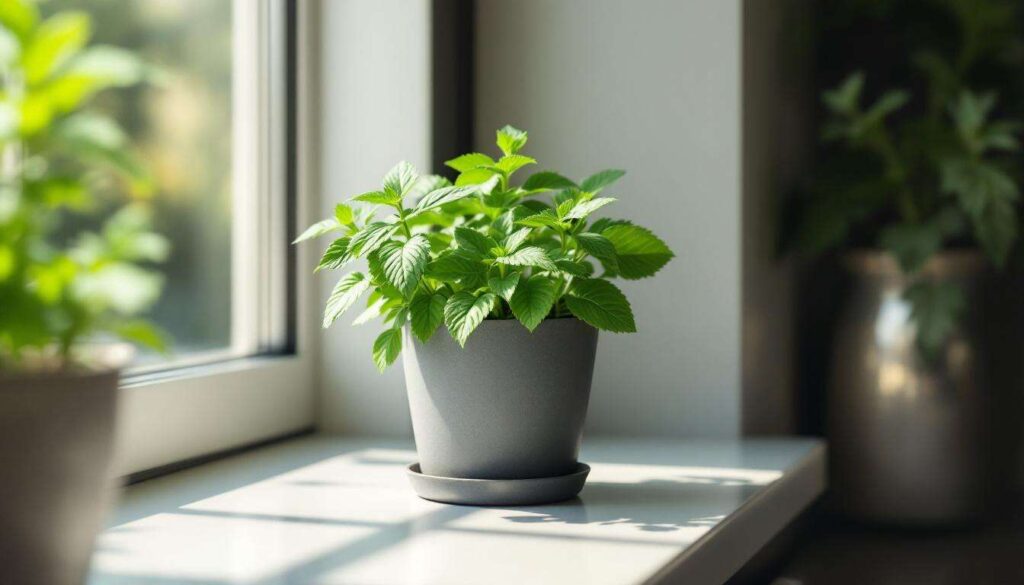
Growing mint indoors transforms any kitchen or living space into a fragrant herb garden whilst ensuring a constant supply of fresh leaves throughout the seasons. This versatile herb thrives in indoor environments when provided with appropriate conditions, making it an ideal choice for both novice and experienced gardeners. Whether you’re seeking to enhance culinary creations, brew refreshing teas, or simply enjoy the aromatic presence of this vigorous plant, cultivating mint indoors offers numerous benefits without the invasive spreading that characterises outdoor growth.
Choosing the right pot and location
Selecting an appropriate container
The foundation of successful indoor mint cultivation begins with choosing a suitable pot that accommodates the plant’s root system whilst preventing excessive spreading. Mint develops an extensive root network, requiring containers with adequate depth and width to support healthy growth.
- Opt for pots measuring at least 20-25 centimetres in diameter
- Ensure containers have drainage holes to prevent waterlogging
- Consider terracotta or ceramic pots for better moisture regulation
- Avoid shallow containers that restrict root development
Identifying the optimal indoor location
Mint requires substantial natural light to flourish indoors, making location selection crucial for vigorous growth. Position your mint plant where it receives four to six hours of bright, indirect sunlight daily, such as near south-facing or west-facing windows. If natural light proves insufficient, supplement with grow lights positioned approximately 15-30 centimetres above the foliage for 12-14 hours daily.
Temperature considerations also influence mint’s performance indoors. Maintain ambient temperatures between 18-21°C, avoiding placement near heating vents, radiators, or draughty windows that create temperature fluctuations. Adequate air circulation prevents fungal issues whilst strengthening stems, though avoid positioning plants in direct airflow from fans or air conditioning units.
Understanding these fundamental requirements establishes the groundwork for creating the perfect growing medium that will nourish your mint throughout its lifecycle.
Preparing the ideal substrate for mint
Formulating the perfect soil mixture
Mint thrives in well-draining, nutrient-rich substrate that retains moisture without becoming waterlogged. Creating an optimal growing medium ensures robust root development and vigorous foliage production.
| Component | Proportion | Purpose |
|---|---|---|
| Quality potting compost | 60% | Provides nutrients and structure |
| Perlite or vermiculite | 20% | Enhances drainage and aeration |
| Compost or worm castings | 20% | Supplies organic matter and minerals |
Adjusting pH levels for optimal growth
Mint performs best in slightly acidic to neutral soil with pH values ranging from 6.0 to 7.0. Testing your substrate mixture with a pH meter or testing kit allows for adjustments before planting. If the mixture proves too acidic, incorporate small amounts of garden lime; if too alkaline, add sulphur or peat moss to lower the pH gradually.
Proper substrate preparation creates the foundation for healthy mint establishment, leading naturally to the critical steps of introducing plants to their new environment.
Planting and maintaining mint plants
Establishing mint from various sources
Indoor gardeners can start mint from seeds, cuttings, or purchased seedlings, each method offering distinct advantages. Seeds require patience, germinating within 10-15 days under warm conditions, whilst cuttings root within one to two weeks when placed in water or moist compost. Purchased seedlings provide immediate results, though ensure they’re healthy with vibrant green leaves and no signs of disease.
- Place seeds on the soil surface, barely covering with a thin layer of compost
- Take 10-15 centimetre cuttings just below a leaf node for propagation
- Gently remove seedlings from nursery pots, loosening root-bound systems
- Position plants at the same depth they grew previously
Implementing regular maintenance practices
Consistent care ensures continuous production of fresh, flavourful leaves throughout the growing season. Pinch back growing tips regularly to encourage bushier growth and prevent legginess, removing approximately 2-3 centimetres of stem above a leaf node. This practice stimulates lateral branching, resulting in fuller, more productive plants.
Remove flower buds as they appear, as flowering diverts energy from leaf production and can alter flavour profiles. Rotate containers weekly to ensure even light exposure, preventing lopsided growth patterns. Every spring, consider dividing established plants or refreshing the substrate to maintain vigour.
These maintenance routines work in conjunction with proper hydration and nutrition strategies that sustain healthy growth.
Watering and fertilising mint correctly
Establishing appropriate watering schedules
Mint requires consistently moist but never saturated soil to thrive indoors. Water when the top 2-3 centimetres of substrate feels dry to the touch, typically every two to three days depending on environmental conditions. Indoor heating during winter months increases evaporation rates, necessitating more frequent watering, whilst cooler periods require reduced frequency.
Apply water until it drains from the bottom holes, ensuring thorough saturation of the root zone. Empty drainage saucers within 30 minutes to prevent roots sitting in standing water, which promotes root rot and fungal diseases. Morning watering allows foliage to dry throughout the day, reducing disease susceptibility.
Providing adequate nutrition
Indoor mint benefits from regular feeding during active growth periods, typically spring through autumn. Apply a balanced liquid fertiliser diluted to half strength every two to three weeks, or incorporate slow-release granules into the substrate at planting time.
| Growth Stage | Fertilisation Frequency | Recommended NPK Ratio |
|---|---|---|
| Establishment (first month) | None required | N/A |
| Active growth | Every 2-3 weeks | 10-10-10 or 5-5-5 |
| Winter dormancy | Monthly or none | Reduced strength |
Proper watering and nutrition create vigorous plants that naturally resist common problems, though vigilance remains essential for early problem detection.
Protecting mint from pests and diseases
Identifying common indoor mint pests
Despite indoor cultivation reducing pest exposure, several insects may still target mint plants. Spider mites, aphids, and whiteflies represent the most frequent invaders, typically arriving on newly purchased plants or through open windows.
- Spider mites create fine webbing and cause stippled, yellowing leaves
- Aphids cluster on new growth, secreting sticky honeydew
- Whiteflies flutter when foliage is disturbed, weakening plants through sap feeding
- Fungus gnats breed in overly moist substrate, though cause minimal direct damage
Implementing preventative and remedial measures
Regular inspection of leaf undersides and stem junctions enables early pest detection before populations explode. Isolate new plants for two weeks before introducing them near established specimens. Maintain appropriate humidity levels between 40-50% to discourage spider mite proliferation whilst preventing fungal issues associated with excessive moisture.
Address pest infestations with organic control methods suitable for edible herbs. Spray affected plants with insecticidal soap or neem oil solutions, ensuring thorough coverage of all plant surfaces. For severe infestations, remove heavily damaged leaves and dispose of them away from other plants. Beneficial insects like ladybirds provide biological control when practical.
Fungal diseases including powdery mildew and root rot occasionally affect indoor mint, particularly in poorly ventilated or overly humid conditions. Improve air circulation, reduce watering frequency, and remove affected foliage promptly to prevent spread.
Maintaining plant health through proper care naturally leads to the rewarding phase of enjoying your homegrown harvest.
Harvesting and using indoor mint
Timing and techniques for optimal harvest
Begin harvesting mint once plants establish themselves and reach approximately 15-20 centimetres in height, typically six to eight weeks after planting. Regular harvesting encourages bushier growth and prevents flowering, extending the productive period indefinitely.
Cut stems just above a leaf node using clean, sharp scissors or secateurs, removing no more than one-third of the plant’s total foliage at any single harvest. Morning collection provides peak flavour and essential oil content when aromatic compounds concentrate in the leaves. Frequent light harvests prove more beneficial than occasional heavy cutting, maintaining plant vigour whilst providing continuous supply.
Preserving and utilising fresh mint
Fresh mint leaves offer maximum flavour and nutritional benefits when used immediately after harvest. Store cut stems in water like cut flowers for short-term use, changing water daily to maintain freshness for up to one week. Alternatively, wrap unwashed leaves in damp kitchen paper and refrigerate in sealed containers for five to seven days.
- Freeze whole leaves in ice cube trays with water for convenient portioning
- Dry leaves by hanging stems in a warm, dark location for two weeks
- Create mint-infused oils, vinegars, or syrups for extended preservation
- Incorporate fresh leaves into teas, cocktails, salads, and desserts
The versatility of homegrown mint extends beyond culinary applications, with leaves suitable for crafting natural cleaning products, aromatherapy preparations, and medicinal infusions. Growing mint indoors ensures access to this valuable herb regardless of season or outdoor gardening space limitations.
Successfully cultivating mint indoors requires attention to several interconnected factors that collectively support healthy, productive plants. Selecting appropriate containers and locations establishes the physical environment, whilst proper substrate preparation creates the nutritional foundation. Regular maintenance practices including strategic harvesting, consistent watering, and balanced fertilisation sustain vigorous growth throughout the plant’s lifecycle. Vigilance against pests and diseases preserves plant health, ensuring continuous production of aromatic, flavourful leaves for diverse applications. By implementing these evidence-based strategies, gardeners of all experience levels can enjoy the satisfaction of harvesting fresh mint from their indoor gardens throughout the entire calendar.