
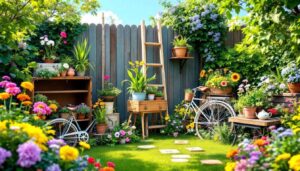
Container gardening has revolutionised how urban dwellers and those with limited outdoor areas approach greenery. Ferns, with their delicate fronds and adaptability to shaded environments, represent an ideal choice for compact spaces such as balconies, patios, and small courtyards. These ancient plants bring a touch of woodland charm to any setting whilst requiring relatively modest maintenance compared to flowering species. Their versatility extends from traditional terracotta pots to contemporary hanging baskets, making them suitable for various aesthetic preferences and spatial configurations.
Ferns: an optimal solution for small spaces
Why ferns thrive in containers
Ferns possess natural characteristics that make them exceptionally well-suited to container cultivation. Unlike many plants that develop extensive root systems, most fern varieties feature compact, shallow roots that adapt comfortably to the confines of pots. Their preference for indirect light means they flourish in locations where sun-loving plants would struggle, such as north-facing balconies or shaded corners of patios.
The controlled environment of a container offers several advantages for fern cultivation:
- Precise moisture management through drainage control
- Protection from invasive spreading tendencies of certain species
- Mobility to adjust placement according to seasonal light conditions
- Easier pest and disease monitoring
- Soil composition tailored to specific requirements
Space-saving benefits
Container ferns maximise vertical space through cascading fronds and tiered arrangements. A single well-placed specimen can create visual impact without consuming valuable floor area, whilst multiple containers at varying heights establish depth and dimension in compact settings. This spatial efficiency makes ferns particularly valuable for urban gardeners working with limited square footage.
Understanding which varieties perform best in containers helps gardeners make informed selections for their specific circumstances.
Choosing the Boston fern: elegance and simplicity
Distinctive characteristics
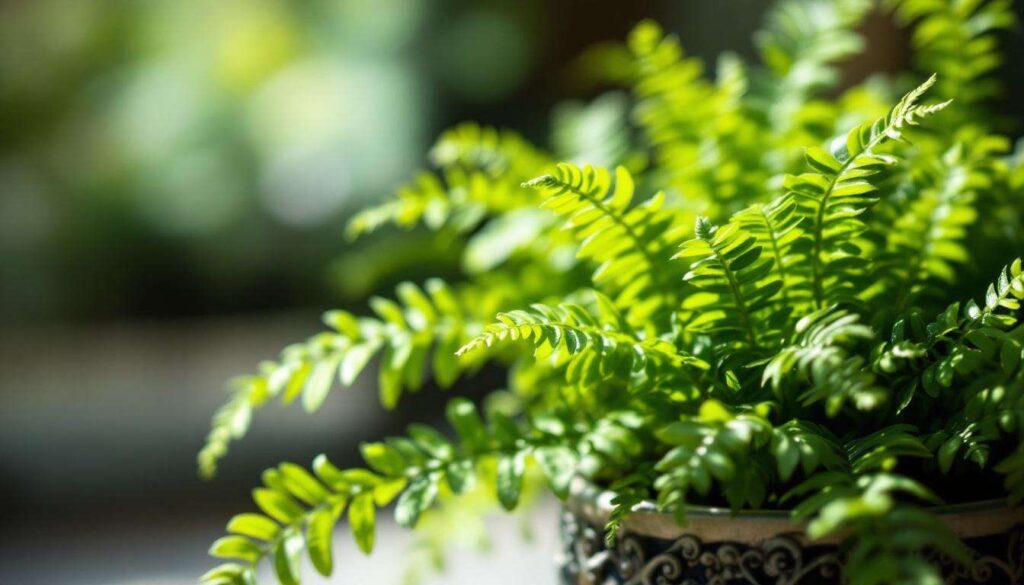
The Boston fern (Nephrolepis exaltata) stands as perhaps the most recognisable container fern worldwide. Its gracefully arching fronds can extend up to 90 centimetres in length, creating a lush, fountain-like display. The bright green foliage features delicate pinnae that give the plant its characteristic feathery appearance, adding softness to any environment.
Container requirements
Boston ferns perform optimally in containers measuring 25 to 35 centimetres in diameter, with adequate drainage holes to prevent waterlogging. These plants appreciate consistent moisture but suffer when roots sit in saturated soil. A hanging basket showcases their cascading habit beautifully, though traditional pots on plant stands work equally well.
| Feature | Specification |
|---|---|
| Light requirement | Bright indirect light |
| Watering frequency | 2-3 times weekly |
| Humidity preference | 60-80% |
| Temperature range | 15-24°C |
The Boston fern’s popularity stems partly from its air-purifying qualities, making it functional as well as decorative. Beyond this classic choice, other fern varieties offer distinct advantages for container cultivation.
The bird’s nest fern: decoration and practicality
Unique architectural form
The bird’s nest fern (Asplenium nidus) presents a dramatically different aesthetic from typical ferns. Rather than divided fronds, it produces broad, glossy leaves that unfurl from a central rosette, creating a sculptural focal point. The wavy-edged foliage emerges in a circular pattern resembling a bird’s nest, hence its common name.
Low-maintenance appeal
This variety proves particularly forgiving for novice gardeners. Its compact growth habit suits smaller containers, typically requiring pots of 20 to 25 centimetres. Unlike many ferns, the bird’s nest variety tolerates slightly drier conditions and lower humidity levels, though it still appreciates regular misting during warmer months.
The plant’s upright growth pattern makes it ideal for tabletops, shelving units, and tight corners where spreading varieties would prove impractical. Its tolerance for indoor conditions extends its usefulness beyond outdoor containers to interior spaces with limited natural light.
For those seeking hardier options that withstand variable conditions, certain fern species demonstrate remarkable resilience.
The male wood fern: robust and resilient
Hardy nature for outdoor containers
The male wood fern (Dryopteris filix-mas) represents one of the most cold-tolerant fern species available to gardeners. This British native survives harsh winters in outdoor containers, making it exceptional for year-round displays in temperate climates. Its semi-evergreen fronds maintain interest even during colder months, though they may become dormant in severe conditions.
Growth characteristics
Mature specimens reach heights of 60 to 90 centimetres with similar spreads, requiring containers of at least 30 centimetres diameter. The fern produces distinctive shuttlecock-shaped crowns of lance-shaped fronds that emerge fresh green in spring, darkening to deep emerald by summer.
- Tolerates temperatures down to -15°C
- Adapts to various light levels from full shade to partial sun
- Resistant to common pests and diseases
- Requires minimal fertilisation
- Lives for many years with proper care
This fern’s undemanding nature suits gardeners who want reliable performance without intensive maintenance routines. Its structural presence complements both traditional and contemporary container arrangements.
For those desiring more exotic specimens, certain tropical varieties adapt surprisingly well to container culture.
The Java indoor fern: exoticism and greenery
Tropical character for indoor spaces
The Java fern (Microsorum pteropus) brings tropical ambience to container gardens whilst remaining manageable for home cultivation. Originally from Southeast Asia, this species features leathery, bright green fronds with distinctive veining patterns. Its rhizomatous growth habit allows it to attach to decorative elements within containers, creating naturalistic displays.
Unique growing requirements
Unlike soil-dwelling ferns, the Java variety performs best when its rhizome remains exposed rather than buried. Gardeners can secure it to pieces of driftwood, porous rock, or specially designed mounts within shallow containers. This unusual characteristic makes it particularly interesting for creative container arrangements.
The plant thrives in warm, humid environments with temperatures between 20 and 28°C. Regular misting maintains the moisture levels it requires, though overwatering proves detrimental. Its slow growth rate means repotting becomes necessary only every two to three years.
Regardless of which varieties gardeners select, proper care techniques ensure healthy, attractive specimens.
Care tips for your potted ferns
Watering and humidity management
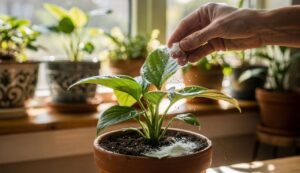
Consistent moisture represents the single most critical factor in successful fern cultivation. Container specimens dry out more rapidly than ground-planted counterparts, necessitating regular monitoring. The soil surface should remain slightly moist but never waterlogged. During growing seasons, most varieties require watering two to three times weekly, reducing frequency during dormant periods.
Humidity levels significantly impact fern health. Methods to increase ambient moisture include:
- Grouping multiple containers together
- Placing pots on trays filled with pebbles and water
- Regular misting with room-temperature water
- Positioning containers away from heating vents and draughts
Soil composition and feeding
Ferns require well-draining, nutrient-rich growing media. A mixture combining equal parts peat-free compost, perlite, and composted bark creates ideal conditions. This combination retains moisture whilst preventing compaction and ensuring adequate aeration around roots.
Feeding requirements remain modest. A diluted liquid fertiliser applied monthly during the growing season provides sufficient nutrients. Over-fertilisation causes frond tip browning and salt accumulation in the soil, so restraint proves beneficial.
Light and temperature considerations
Most ferns prefer bright, indirect light rather than direct sun exposure, which can scorch delicate fronds. North or east-facing positions typically provide optimal conditions. Temperature stability matters more than specific ranges, with most varieties tolerating 15 to 24°C comfortably. Sudden fluctuations stress plants and may cause frond drop.
Container ferns offer remarkable versatility for small-space gardening, combining aesthetic appeal with practical advantages. The five varieties discussed demonstrate the range available, from the classic Boston fern’s cascading elegance to the architectural bird’s nest form, the hardy male wood fern’s resilience, and the exotic Java fern’s tropical character. Each brings distinct qualities whilst sharing fundamental care requirements that make them accessible to gardeners of varying experience levels. With appropriate selection and basic maintenance, these ancient plants transform compact areas into verdant retreats, proving that limited space need not restrict horticultural ambitions.