


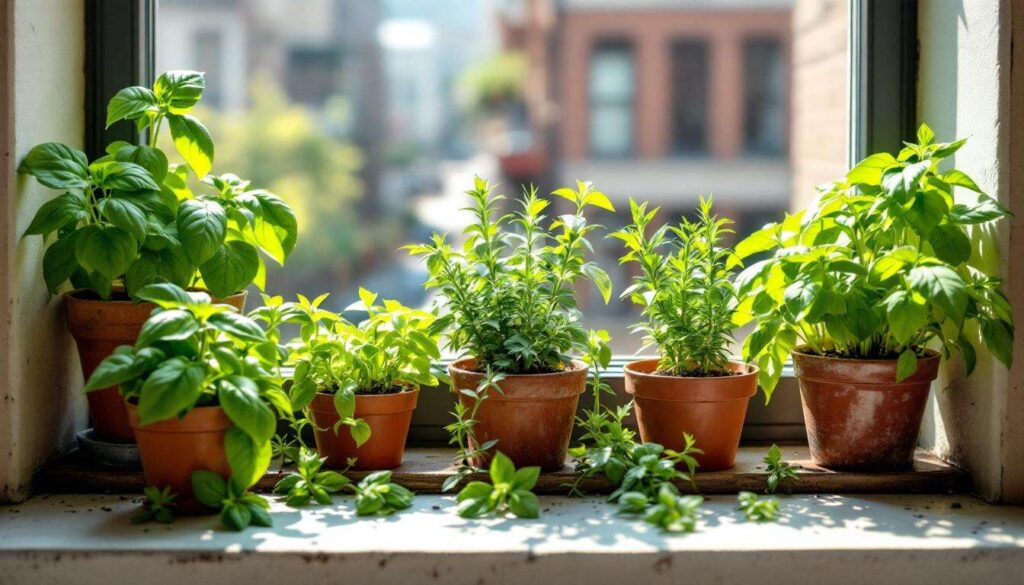
Growing fresh herbs in a small urban flat transforms cooking and brings a touch of nature into compact living spaces. Windowsill gardening offers city dwellers the opportunity to cultivate aromatic plants without requiring extensive outdoor areas or gardening expertise. With careful selection, proper setup, and consistent care, even the smallest window ledge can become a productive herb garden that supplies fresh flavours throughout the year.
Choosing the right herbs to start with
Best beginner-friendly varieties for indoor growing
Selecting suitable herbs determines success when starting a windowsill garden. Some varieties adapt better to indoor conditions and tolerate the limitations of container growing. Basil thrives in warm environments and produces abundant leaves with regular harvesting. Chives require minimal attention and regenerate quickly after cutting. Parsley grows reliably in moderate light conditions and provides consistent yields over extended periods.
Other excellent choices for novice gardeners include:
- Mint, which grows vigorously but requires containment to prevent excessive spreading
- Thyme, a compact herb that tolerates drier conditions between waterings
- Oregano, which develops robust flavour in sunny windowsill positions
- Coriander, offering both leaves and seeds for culinary use
Understanding growth habits and space requirements
Each herb possesses distinct growth characteristics that influence placement and container selection. Basil develops into bushy plants reaching 30-45 centimetres in height, requiring adequate vertical space. Thyme and oregano spread horizontally, making them ideal for shallow, wider containers. Mint sends out runners and benefits from individual pots to control its invasive tendencies.
| Herb | Mature Height | Container Depth | Growth Pattern |
|---|---|---|---|
| Basil | 30-45 cm | 15-20 cm | Upright, bushy |
| Chives | 20-30 cm | 15 cm | Clumping |
| Mint | 30-60 cm | 20 cm | Spreading, invasive |
| Thyme | 15-25 cm | 10-15 cm | Low, spreading |
Understanding these requirements ensures proper spacing and prevents overcrowding on limited windowsill surfaces. Once appropriate herbs have been selected, attention turns to creating the physical environment they need to flourish.
Setting up the proper equipment on your windowsill
Selecting containers with adequate drainage
Proper container selection forms the foundation of successful windowsill herb gardening. Pots must feature drainage holes to prevent waterlogging, which causes root rot and plant death. Terracotta containers allow air circulation through porous walls but dry out quickly. Plastic pots retain moisture longer and weigh less, making them practical for windowsill placement.
Container size directly affects plant health and growth potential. Minimum depths should match root development needs, with most herbs requiring at least 15 centimetmetres of soil depth. Shallow-rooted varieties like thyme manage in smaller vessels, whilst basil and mint benefit from deeper containers that accommodate extensive root systems.
Choosing the right growing medium
Quality potting compost provides essential nutrients and proper drainage characteristics. Garden soil compacts in containers and often harbours pests or diseases unsuitable for indoor growing. Purpose-formulated potting mixes contain peat alternatives, perlite, and vermiculite that create ideal conditions for container herbs.
Key components of effective growing media include:
- Organic matter for nutrient retention and moisture management
- Perlite or sand for improved drainage and aeration
- Slow-release fertiliser to support sustained growth
- pH-balanced formulations suited to herb cultivation
Organising space efficiently on narrow ledges
Maximising limited windowsill space requires strategic arrangement of containers. Tiered plant stands create vertical growing areas without blocking light to lower plants. Hanging planters suspended from curtain rods utilise overhead space for trailing herbs like certain mint varieties. Magnetic containers attach to metal window frames, whilst suction-mounted shelves expand growing surfaces without permanent installation.
With containers and growing medium in place, maintaining appropriate moisture levels becomes the next critical consideration.
Learning the basics of watering and maintenance
Establishing a consistent watering routine
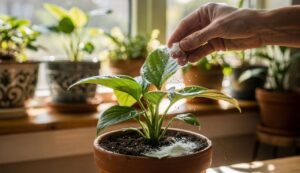
Proper watering technique represents the most crucial skill for windowsill herb gardening. Overwatering kills more indoor plants than any other factor, whilst underwatering stresses herbs and reduces productivity. Most herbs prefer soil that dries slightly between waterings rather than remaining constantly moist.
The finger test provides reliable moisture assessment: insert a finger two centimetres into the soil, and water only when it feels dry at that depth. Watering frequency varies with season, container size, and plant type. Summer heat and active growth increase water consumption, whilst winter dormancy reduces requirements substantially.
Recognising signs of water stress
Plants communicate their hydration needs through visible symptoms. Wilting leaves indicate insufficient water, though this also occurs with root rot from overwatering. Yellowing lower leaves suggest excessive moisture, whilst brown, crispy leaf edges point to underwatering or low humidity.
| Symptom | Likely Cause | Solution |
|---|---|---|
| Wilting with wet soil | Overwatering/root rot | Reduce watering, improve drainage |
| Wilting with dry soil | Underwatering | Water thoroughly, increase frequency |
| Yellow lower leaves | Excessive moisture | Allow soil to dry between waterings |
| Brown leaf tips | Low humidity/underwatering | Mist plants, water more regularly |
Feeding and pruning for vigorous growth
Regular fertilisation replenishes nutrients depleted from container soil. Liquid feeds applied every two weeks during the growing season support healthy development. Diluting fertiliser to half the recommended strength prevents nutrient burn on sensitive herb roots.
Pruning encourages bushier growth and prevents plants becoming leggy. Pinching out growing tips stimulates lateral branching, creating fuller plants with more harvestable leaves. Removing flower buds maintains leaf production in basil and coriander, as flowering redirects energy from foliage development.
Whilst proper watering and feeding support plant health, light availability ultimately determines growth success on windowsills.
Optimising exposure to natural light
Assessing your windowsill’s light conditions
Understanding available light helps match herbs to specific window orientations. South-facing windows receive maximum sunlight in the northern hemisphere, providing ideal conditions for sun-loving herbs like basil, rosemary, and thyme. East-facing windows offer gentle morning light suitable for parsley and chives. North-facing positions receive minimal direct sun, limiting options to shade-tolerant varieties like mint.
Most culinary herbs require four to six hours of direct sunlight daily for optimal growth. Insufficient light produces weak, elongated stems and pale leaves with diminished flavour intensity. Monitoring plant response over several weeks reveals whether light levels meet requirements or adjustments become necessary.
Supplementing with artificial lighting when needed
LED grow lights compensate for inadequate natural illumination in darker flats. Full-spectrum bulbs positioned 15-30 centimetres above plants provide necessary wavelengths for photosynthesis. Timer-controlled lighting maintains consistent photoperiods, typically 12-16 hours daily for herbs.
Effective supplemental lighting strategies include:
- Clip-on LED fixtures for individual pots or small groupings
- Under-shelf lighting strips for tiered arrangements
- Adjustable height systems that accommodate plant growth
- Combination of natural and artificial light during winter months
Rotating plants for even development
Plants naturally grow towards light sources, creating uneven development when positioned against windows. Rotating containers 180 degrees every few days promotes balanced growth and prevents one-sided, leaning plants. This simple practice ensures all sides receive equal light exposure, producing symmetrical, attractive herbs.
Even with optimal growing conditions, windowsill herbs occasionally face pest challenges that require prompt attention.
Preventing and managing pests
Common indoor herb pests and identification
Several pest species target indoor herbs despite the absence of outdoor exposure. Aphids cluster on new growth, sucking sap and causing distorted leaves. Spider mites create fine webbing and stippled foliage damage, thriving in dry indoor conditions. Fungus gnats emerge from overly moist soil, whilst their larvae feed on roots.
Preventative measures for pest-free growing
Maintaining plant health through proper care represents the best pest prevention strategy. Strong, vigorous herbs resist infestations better than stressed plants. Inspecting new plants before introducing them to existing collections prevents pest transfer. Quarantining purchases for two weeks allows early detection of hidden problems.
Additional preventative practices include:
- Ensuring adequate air circulation around plants
- Avoiding overwatering that attracts fungus gnats
- Regularly removing dead leaves and plant debris
- Wiping windowsills and containers to eliminate pest eggs
Organic treatment options for infestations
When pests appear, organic interventions safely eliminate problems without introducing harmful chemicals near food plants. Insecticidal soap sprays suffocate soft-bodied pests like aphids and spider mites. Neem oil disrupts pest life cycles whilst remaining safe for culinary herbs. Yellow sticky traps capture adult fungus gnats, reducing populations over time.
Severe infestations may require removing heavily affected plants to protect healthy specimens. With pests controlled and plants thriving, the rewards of windowsill gardening finally arrive.
Enjoying your harvest and aromatic plants
Harvesting techniques that encourage continued production
Proper harvesting methods extend productivity and maintain plant vigour. Cutting stems just above leaf nodes stimulates branching and fresh growth. Taking no more than one-third of plant material at once prevents excessive stress. Morning harvesting captures peak flavour when essential oils concentrate in leaves.
Regular picking prevents flowering in basil and coriander, prolonging their productive lifespan. Frequent light harvests prove more beneficial than occasional heavy cutting, keeping plants compact and continuously producing new foliage.
Preserving excess herbs for later use
Abundant harvests exceed immediate cooking needs, making preservation techniques valuable for extending enjoyment. Freezing herbs in ice cube trays with water or oil maintains flavour better than drying for certain varieties. Hanging bundles in dark, well-ventilated spaces dries herbs like thyme and oregano effectively. Herb butters and pestos capture fresh flavours whilst providing convenient cooking ingredients.
Enhancing indoor air quality and ambience
Beyond culinary applications, windowsill herbs improve living environments through natural air purification and pleasant aromas. Plants absorb carbon dioxide and release oxygen, contributing to fresher indoor air. The fragrance of basil, mint, and rosemary creates inviting atmospheres whilst providing aromatherapy benefits. Green foliage softens urban interiors and connects residents with nature despite limited outdoor access.
Windowsill herb gardening successfully combines practical food production with aesthetic enhancement in small urban flats. Selecting appropriate varieties, providing proper equipment and care, optimising light exposure, and managing pests creates thriving miniature gardens. Regular harvesting rewards efforts with fresh flavours whilst maintaining plant health and productivity. These compact gardens prove that space limitations need not prevent city dwellers from experiencing the satisfaction of growing their own herbs and enjoying the numerous benefits they provide to both kitchen and living environment.