


Garden design evolves constantly, and what once seemed fresh and inviting can quickly become tired and overdone. Outdoor spaces deserve the same thoughtful consideration as interior rooms, yet many homeowners cling to trends that have long outlived their aesthetic appeal. Design professionals are now calling for a decisive shift away from certain ubiquitous backyard elements that have saturated residential landscapes. From ubiquitous overhead lighting to synthetic surfaces, these once-popular choices are being replaced by more sophisticated, sustainable alternatives that offer both visual appeal and practical benefits. Understanding which trends to abandon and what to embrace instead can transform an ordinary garden into a refined outdoor sanctuary.
String light trend: why it’s time to let go
The oversaturation problem
String lights have dominated outdoor entertaining spaces for nearly a decade, creating a visual monotony across residential gardens. What began as a charming bistro-inspired accent has become an overused cliché that lacks originality. Designers report that virtually every garden renovation request includes these lights, resulting in a homogenised aesthetic that fails to distinguish one space from another.
Practical drawbacks worth considering
Beyond aesthetic concerns, string lights present several functional challenges:
- Frequent bulb replacement creates ongoing maintenance demands
- Weather exposure leads to rapid deterioration of fittings and cables
- Installation often requires unsightly mounting hardware
- Energy consumption remains relatively high compared to modern alternatives
Contemporary lighting alternatives
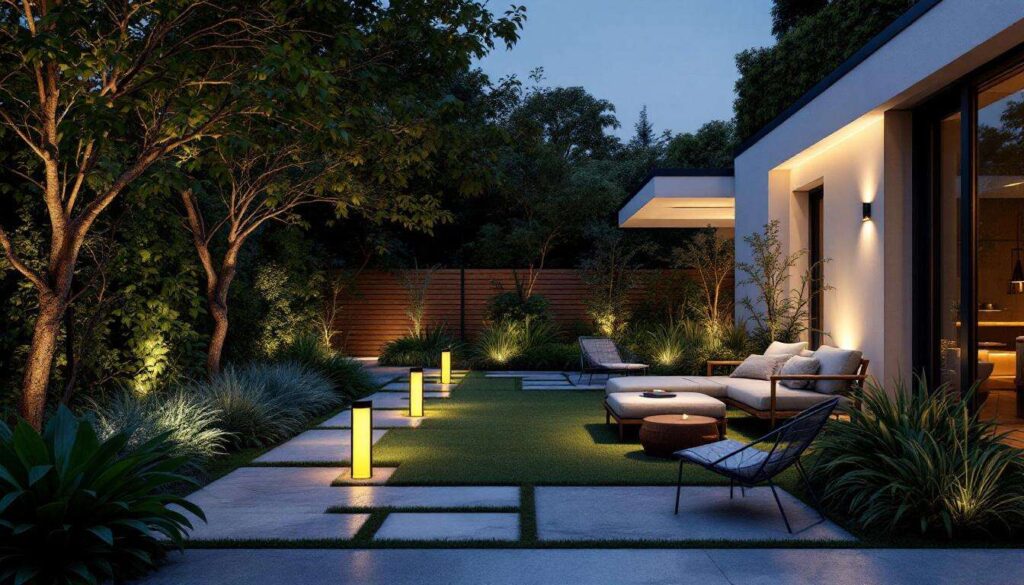
Sophisticated replacements offer architectural interest whilst providing superior illumination. Ground-level uplighting creates dramatic shadows and highlights specimen plants, whilst recessed path lighting ensures safety without visual clutter. Statement pendant fixtures suspended over dining areas provide focused task lighting with genuine design impact. Solar-powered bollard lights offer sustainable illumination along walkways, and integrated LED strips concealed within architectural features create ambient glow without exposing the light source.
Whilst lighting remains essential for outdoor living, the shift towards more refined solutions extends to other elements of garden design, particularly the furniture that defines these spaces.
Plastic garden furniture: more elegant alternatives
Why plastic furniture diminishes your garden
Inexpensive plastic furniture undermines even the most carefully planned landscape design. These pieces typically feature poor proportions and lack the visual weight necessary to anchor outdoor rooms effectively. The material’s tendency to fade, crack, and discolour creates a perpetually shabby appearance that detracts from surrounding plantings and hardscaping investments.
Durable and stylish replacements
Contemporary outdoor furniture combines weather resistance with genuine aesthetic appeal:
| Material | Benefits | Longevity |
|---|---|---|
| Powder-coated aluminium | Lightweight, rust-proof, sleek profiles | 15-20 years |
| Teak and eucalyptus | Natural warmth, develops attractive patina | 25+ years |
| All-weather wicker | Textural interest, comfortable, UV-stable | 10-15 years |
| Marine-grade stainless steel | Contemporary aesthetic, minimal maintenance | 20+ years |
These materials justify their higher initial investment through superior longevity and timeless styling that transcends seasonal trends.
Just as furniture quality impacts garden aesthetics, the surfaces beneath our feet play an equally crucial role in defining outdoor character.
Artificial lawns: a fading trend, natural solutions
Environmental and aesthetic concerns
Artificial turf installations have surged in popularity, yet designers increasingly recognise their significant drawbacks. These synthetic surfaces contribute to urban heat islands by absorbing and radiating warmth, create microplastic pollution as fibres degrade, and eliminate habitat for beneficial insects and soil organisms. Visually, even premium products fail to replicate the subtle colour variations and seasonal changes that make natural grass appealing.
Natural lawn alternatives gaining traction
Progressive garden design embraces diverse groundcover solutions:
- Clover lawns require minimal mowing, fix nitrogen naturally, and remain green during drought
- Chamomile and thyme carpets release fragrance underfoot whilst tolerating light traffic
- Native sedge meadows provide textural interest with virtually no maintenance
- Mixed microclover and fescue blends offer traditional lawn appearance with reduced water needs
Hardscaping for high-traffic zones
Where durability matters most, permeable paving systems provide practical surfaces without environmental compromise. Gravel stabilisation grids, permeable resin-bound aggregates, and widely spaced pavers with groundcover infill create functional areas whilst allowing water infiltration and supporting biodiversity.
Addressing surface materials naturally leads to examining how we organise and utilise these outdoor areas.
Cluttered entertainment spaces: embrace outdoor minimalism
The problem with over-furnished gardens
Many homeowners treat outdoor spaces as repositories for every conceivable amenity, resulting in visually chaotic environments that feel cramped rather than relaxing. Multiple seating groups, standalone fire features, portable bars, and excessive accessories create competing focal points that prevent the eye from resting. This approach fundamentally misunderstands the purpose of garden spaces as restorative environments.
Principles of outdoor minimalism
Refined outdoor design prioritises quality over quantity:
- Select one primary seating arrangement with excellent sightlines
- Integrate storage solutions to conceal rather than display accessories
- Choose multi-functional pieces that serve several purposes
- Allow generous circulation space between furniture groupings
- Limit decorative objects to a curated few with genuine visual impact
Creating intentional zones
Rather than scattering elements throughout the garden, define distinct areas through subtle level changes, strategic planting, or changes in surface material. A dedicated dining zone separated from a lounging area creates functional clarity without physical barriers. This approach maintains visual openness whilst providing psychological separation between different activities.
The materials we select for these defined zones significantly influence the overall garden character and maintenance requirements.
Paved patios: opt for innovative materials
Limitations of traditional concrete slabs
Standard concrete paving has dominated residential hardscaping for decades, yet its environmental impact and aesthetic limitations are increasingly problematic. Impermeable surfaces contribute to flooding by preventing water absorption, whilst the cement production process generates substantial carbon emissions. Visually, these uniform grey expanses create stark, institutional atmospheres that contrast harshly with organic garden elements.
Emerging paving innovations
Contemporary materials offer superior performance alongside environmental benefits:
| Material | Key Advantages | Aesthetic Character |
|---|---|---|
| Porcelain pavers | Stain-resistant, frost-proof, minimal maintenance | Wide design range, realistic stone replication |
| Reclaimed materials | Zero embodied carbon, unique patina | Historical character, varied textures |
| Permeable concrete | Water infiltration, reduced runoff | Contemporary, textured surface |
| Stabilised gravel | Natural drainage, flexible installation | Informal, cottage garden compatibility |
Mixed material approaches
The most sophisticated patio designs combine complementary materials to create visual rhythm and define circulation patterns. Porcelain pavers bordered by sett edging, or large format stone interrupted by gravel bands, add complexity without busyness. These combinations also provide practical benefits by directing water flow and reducing material costs.
Material selection connects closely with the decorative philosophy that defines the overall garden aesthetic.
Themed decorations: a return to timeless style
Why themed gardens feel dated
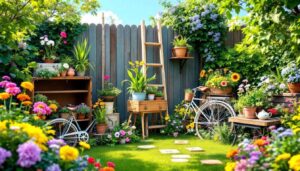
Overtly themed outdoor spaces—whether tropical, Mediterranean, or rustic farmhouse—often feel contrived and disconnected from their actual context. These approaches typically rely on obvious decorative signifiers that announce their theme rather than creating genuine atmosphere. The result frequently appears more like a stage set than an authentic outdoor environment, with limited longevity as trends shift.
Principles of enduring garden style
Timeless outdoor design draws from several foundational concepts:
- Respond to the architectural character of the adjoining building
- Select materials native to or traditional within the region
- Prioritise plant performance and ecological appropriateness over exotic appeal
- Choose furnishings and accessories with clean lines and quality construction
- Allow the garden’s structure and plantings to create atmosphere rather than relying on decorative objects
Subtle regional influences
Rather than literal theming, sophisticated gardens incorporate restrained references to admired styles. A gravel garden might suggest Mediterranean landscapes without terracotta pots and ceramic tiles. Japanese design principles of asymmetry and restraint can inform layout decisions without requiring stone lanterns and bamboo fencing. This approach creates layered, complex spaces that reward extended observation rather than declaring their inspiration immediately.
Garden design trends will continue evolving, yet the principles guiding current shifts—sustainability, restraint, quality, and contextual sensitivity—offer lasting value beyond temporary fashion. Moving away from overused elements like string lights and artificial surfaces towards more considered alternatives creates outdoor spaces with genuine character and enduring appeal. The most successful gardens balance practical requirements with aesthetic ambition, prioritising materials and approaches that improve with age rather than deteriorate. By abandoning dated trends in favour of thoughtful design decisions, homeowners can create outdoor environments that remain satisfying and relevant for decades.